Mitchell Campaign Blasts New Poll as “Suppression Poll”
Campaign says recent poll mirrors a pre-primary survey that underestimated Mitchell and argues the runoff momentum favors him
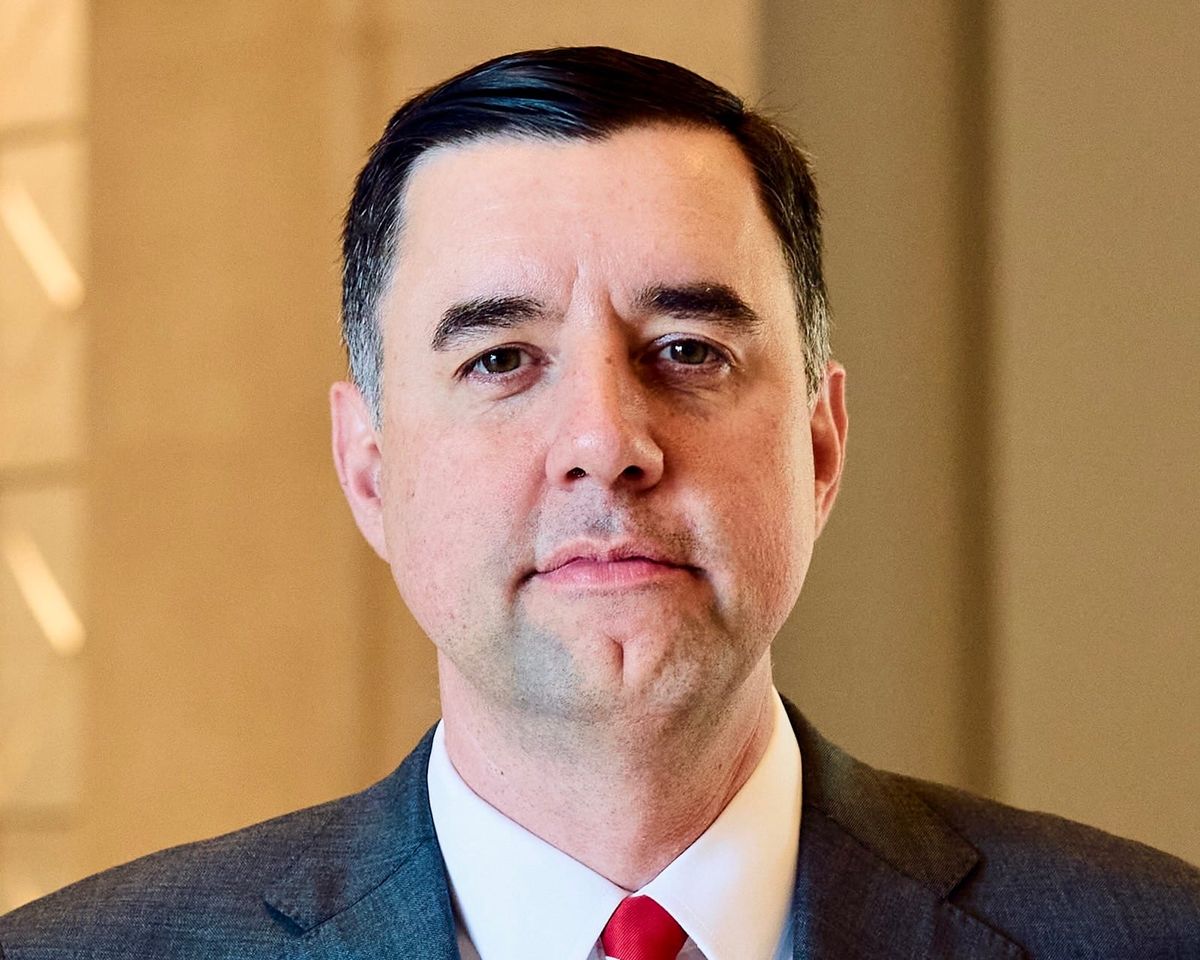
The campaign of former Alabama Supreme Court Justice Jay Mitchell is pushing back against a newly released poll that shows him trailing in the Republican runoff for Attorney General, dismissing the survey as a “bogus suppression poll” designed to shape perceptions ahead of Election Day.
In a statement released Monday, the Mitchell campaign criticized results published by The Alabama Poll that reportedly showed Mitchell behind fellow Republican Katherine Robertson by double digits in the June 16 runoff election.
“This is yet another bogus suppression poll, similar to the one published before the primary that also claimed Jay was trailing by double digits,” the campaign said. “Alabama voters proved that wrong. Despite being outspent 2-to-1 in the weeks leading up to the primary, Jay finished only six points away from first place. Since then, he’s been endorsed by third-place candidate Pamela Casey, who carried 25% of the vote and commands a powerful grassroots following. Simple math and common sense make it clear—Jay Mitchell’s going to win."
The campaign also noted that the poll's sponsor has not been publicly identified.
“It has not been disclosed who commissioned and paid for the poll,” the campaign said. Notably, The Alabama Poll describes itself as a “subscription polling service,” so determining the exact sponsor(s) of the poll may not be possible.

The dispute comes less than two weeks before Republican voters return to the polls to decide the party's nominee for Attorney General. Mitchell advanced to the runoff after finishing second in the May 19 primary, while Robertson led the field with roughly 41 percent of the vote. Mitchell received about 34 percent, and Pamela Casey finished third with approximately 25 percent.
While political polling is a routine part of modern campaigns, disputes over methodology and intent are common, particularly in the final weeks before an election. Campaigns sometimes accuse unfavorable surveys of being “suppression polls,” a term used to describe polls that critics believe are designed not merely to measure public opinion but to influence it.
Political scientists and election observers have long noted that polling can affect voter behavior. Critics of suppression polling argue that surveys showing a candidate far behind can discourage supporters from turning out to vote, reduce volunteer enthusiasm, or dampen fundraising. Such allegations are often difficult to prove because the intent behind a poll is rarely public. However, election experts generally recognize that campaign messaging, advertising, and public polling can shape voter perceptions in the closing days of a race. Research on election polling has also found that public polls can influence voter expectations and campaign narratives, particularly when released shortly before voting begins.
The Alabama Poll previously released a survey before the Republican primary that showed a large share of voters undecided in the Attorney General contest. Public discussion surrounding that poll centered on whether it accurately reflected the state of the race. Ultimately, Robertson and Mitchell emerged as the top two finishers and advanced to the runoff.
Neither The Alabama Poll nor the poll's sponsor(s) had publicly responded to the Mitchell campaign's criticism as of press time.
The Republican runoff election is scheduled for June 16. The winner will advance to the November General election.