Moore Backs Stopgap to Avoid Government Shutdown
Rep. Barry Moore supports temporary funding bill while urging Senate to finish FY2027 spending measures
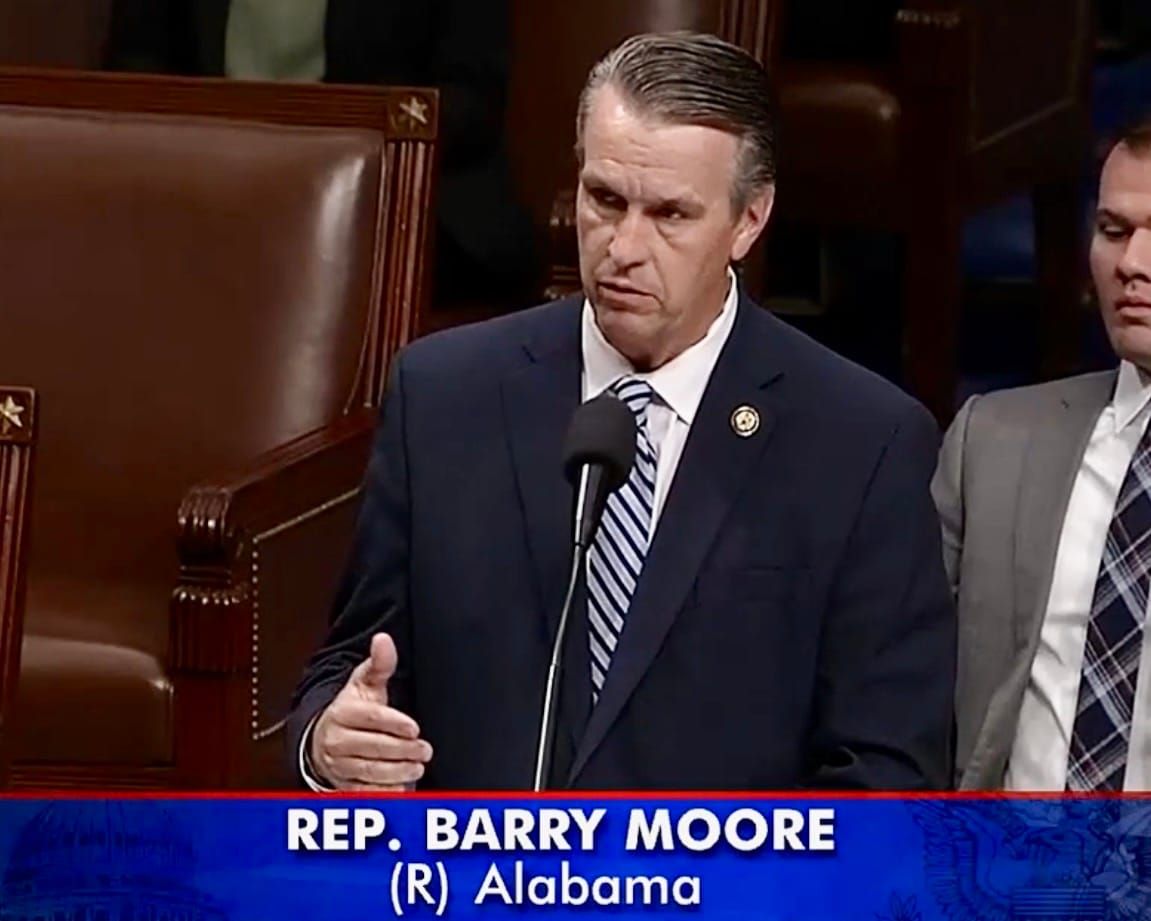
Congressman Barry Moore (R-AL-01) voted this week in favor of legislation that would keep the federal government operating through early December while lawmakers continue work on full-year spending bills for Fiscal Year 2027.
The U.S. House passed H.R. 9770, the Continuing Appropriations Act of 2027, by a 220-205 vote. The measure would extend current funding levels through Dec. 4, 2026, preventing a government shutdown when the current fiscal year ends on Sept. 30.
According to House Republican leaders, the continuing resolution maintains existing funding levels, contains no new spending or unrelated policy riders, and continues a longstanding prohibition on pay raises for Members of Congress. It also preserves funding for key federal programs while lawmakers negotiate the remaining FY2027 appropriations bills.
Moore said the temporary measure strikes a balance between avoiding a shutdown and continuing efforts to curb federal spending.
"Keeping the government open is important, but so is getting our nation's spending under control," said Rep. Moore. "This continuing resolution gives Congress time to finish the appropriations process without adding new spending or expanding the size of government. House Republicans have done our work by advancing all twelve appropriations bills to the House floor, and now it's time for the Senate to do the same so we can pass responsible, America First funding bills that protect taxpayers, strengthen our national security, and support the priorities of the American people."
House Republican leaders argued the stopgap bill provides stability while preserving the regular appropriations process rather than waiting until the end of September to negotiate another short-term funding measure. Committee leaders also said the House has already completed action on all 12 appropriations bills at the committee level, while the Senate has yet to advance its funding package.
The legislation now moves to the Senate, where lawmakers must act before the Sept. 30 funding deadline to prevent a lapse in government operations.