
Palmer Bill to Recover Critical Minerals Advances in House
Bipartisan CHARM Act advances, designed to boost U.S. recovery of critical minerals and reduce reliance on Chinese supply chains
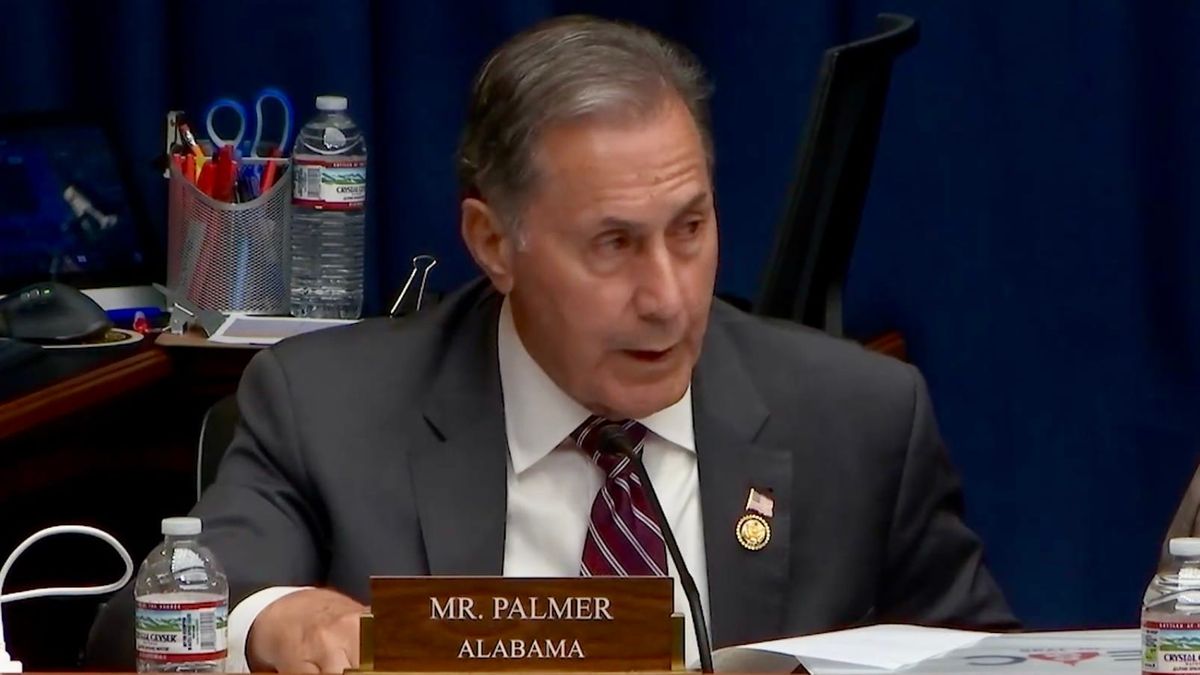
A bipartisan bill led by U.S. Representative Gary Palmer (R-AL-06) moved one step closer to a House vote Tuesday after winning approval from the House Energy and Commerce Committee.
The committee approved H.R. 9617, the Coordinating and Harnessing America's Recovery of Minerals (CHARM) Act, during a full committee markup. Palmer introduced the legislation with Rep. Paul Tonko (D-NY), the ranking Democrat on the House Energy and Commerce Subcommittee on Environment. The measure would direct the U.S. Environmental Protection Agency to develop a coordinated national strategy to recover critical minerals from domestic waste streams rather than relying on foreign suppliers.
The legislation focuses on recovering minerals from electronic waste, abandoned mine sites, coal ash and other existing domestic sources. According to the bill text, the EPA would coordinate with other federal agencies to identify opportunities to reclaim valuable materials already present in the United States.
Following committee approval, Palmer said the measure addresses a growing national security and economic concern.
"Critical minerals are essential to our economy and national security, yet America remains too dependent on China for these resources," said Rep. Palmer. "The CHARM Act takes a commonsense approach by directing the Environmental Protection Agency (EPA) to develop a coordinated federal strategy to identify new opportunities to recover critical minerals from electronic waste, legacy mine sites, coal ash, and other overlooked sources already here at home. I appreciate Congressman Tonko's partnership and thank my colleagues on the Energy and Commerce Committee for advancing this legislation."
Critical minerals such as rare earth elements, lithium, cobalt and graphite are key components in defense systems, electric vehicles, batteries, electronics and other advanced technologies. China currently dominates much of the world's processing and refining capacity for many of those materials, making domestic recovery and recycling an increasing priority for policymakers from both parties.
Palmer, who Chairs the House Energy and Commerce Subcommittee on Environment, has argued that recovering minerals from existing waste sources can strengthen domestic supply chains while reducing dependence on foreign adversaries. During last week's subcommittee markup, he said several of the bills under consideration were intended to increase recovery of critical minerals from domestic sources instead of relying on China.
The CHARM Act now awaits consideration by the full House.
Rep. Palmer’s remarks on the CHARM Act may be seen on YouTube and below: