Poll Finds Broad Support for Scholarship Tax Credit
Two-thirds of voters back the new federal program, which will let donors claim tax credits while helping fund K–12 education
A new national poll found broad support for a federal tax credit designed to draw private donations into K–12 scholarships and other education services.
The Morning Consult survey commissioned by the Invest in Education Coalition found that 67% of registered voters want their State to take part in the Federal Scholarship Tax Credit Program. Another 66% support the tax credit itself.
Support crossed party lines. State participation was backed by 70% of Democrats, 67% of Republicans and 63% of independents.
The program, also called the Education Freedom Tax Credit, was created by the One Big Beautiful Bill Act (OBBBA) signed by President Donald Trump on July 4, 2025. It takes effect in January 2027.
The program will let an individual taxpayer donate money to an approved nonprofit scholarship-granting organization (SGO) and claim a dollar-for-dollar federal income tax credit of up to $1,700.
A tax credit cuts the amount of tax owed, and is more direct than a tax deduction, which only lowers the income subject to tax.
For example, a taxpayer owing $5,700 in federal income tax and giving $1,700 to an approved SGO could claim a $1,700 credit and reduce their federal tax bill to $4,000. The nonprofit would then use the donation to provide scholarships to eligible students.
The credit is nonrefundable. It can reduce a taxpayer’s bill to zero, but it cannot produce a refund beyond what the taxpayer owes. Under the law, unused credit may be carried forward for up to five years, according to a U.S. Department of Education fact sheet.
Donors may not reserve their gift for a named child. Approved nonprofits decide which eligible students receive aid. An SGO must use at least 90% of its qualified income for scholarships and serve at least 10 students attending more than one school, according to a Bipartisan Policy Center analysis.
Students must be eligible to attend a public elementary or secondary school and live in households earning no more than 300% of their area’s median gross income.
Scholarships may pay for private school tuition, fees, books, transportation, tutoring, computers, special-needs services and certain other education costs. Public school students may also receive help with tutoring, after-school programs, learning tools and other added services.
That last point had a clear effect on those surveyed. The poll found that 63% of registered voters became more supportive after learning that public school students could benefit.
Participation is voluntary. A Governor, or another State official authorized by State law, must opt in and give the Internal Revenue Service a list of approved scholarship groups.
The State must submit that list by Jan. 1 of each year for its students to receive scholarships during that year. Taxpayers who live in States that decline to join may still qualify for the credit by donating to an approved SGO in another participating State, but students in their own State generally would not benefit.
Thirty-one States had announced plans to participate as of July 22, according to Ballotpedia’s State tracker. The poll release cited 30 participating States.
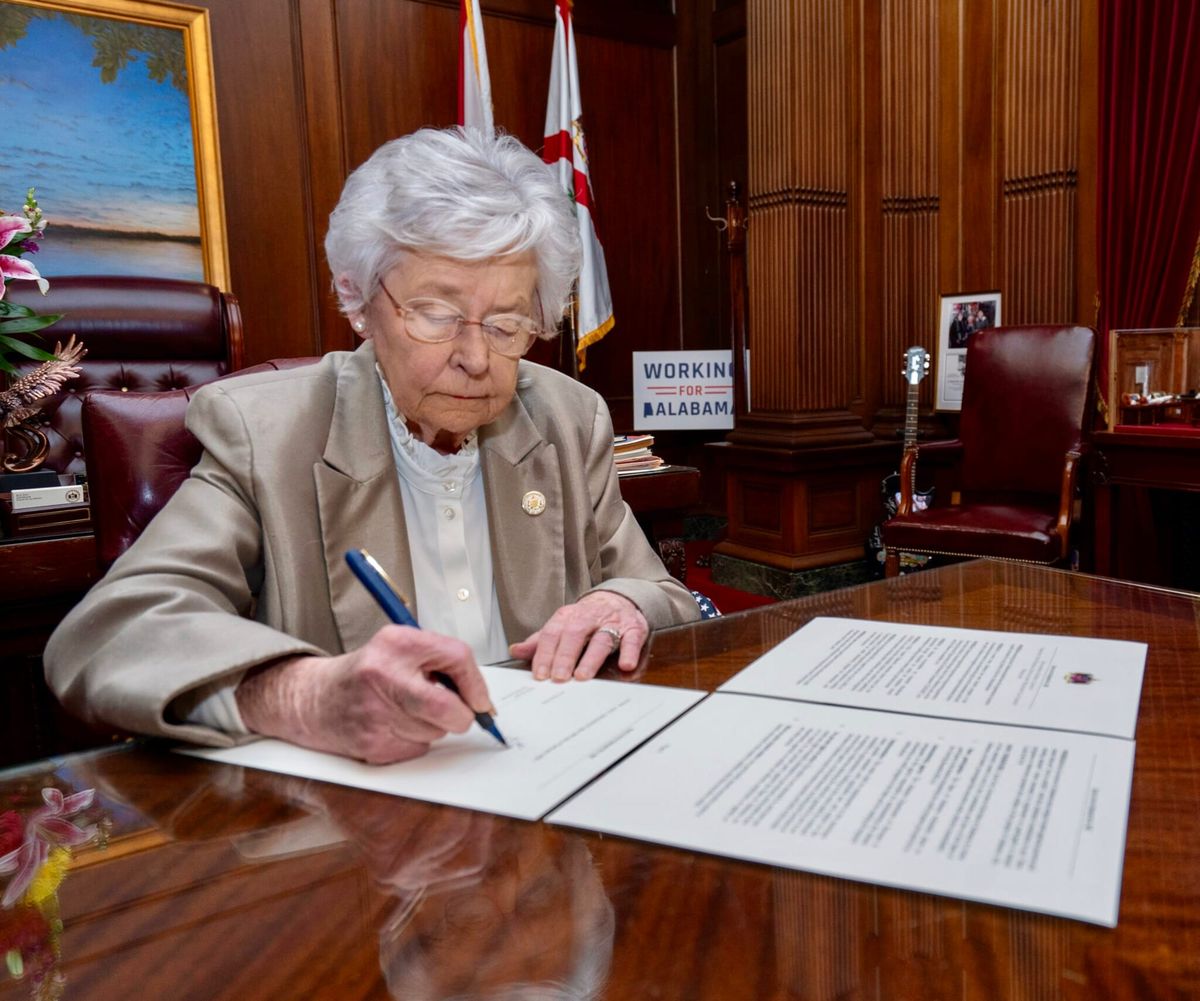
Alabama is already among them. Gov. Kay Ivey signed Executive Order 742 in January, formally opting Alabama into the program and placing the Alabama Department of Revenue in charge of certifying eligible scholarship groups.
“Alabama proudly embraces this new opportunity to strengthen educational freedom and invest in the success of every child,” Ivey said when she announced the State’s participation.
The federal program is separate from Alabama’s CHOOSE Act education savings accounts and the State’s existing scholarship tax-credit system.
The Morning Consult poll found that 89% of registered voters believe families need access to education resources beyond normal school budgets. Seventy-two percent said it was important for their Governor to opt in before the Jan. 1, 2027, deadline.
“Across party lines and across the country, voters see the value of giving students and families access to additional educational resources,” said Anne Lesser, President and CEO of Invest in Education Coalition. “The Federal Scholarship Tax Credit creates an unprecedented opportunity to bring potentially billions of dollars in new private contributions into K–12 education and expand support for students in public and non-public schools. These poll results make clear that voters want their States to take advantage of that opportunity.”
Unlike a direct federal grant, the program relies on private gifts that are offset by federal tax credits, and will reduce federal revenue. The congressional Joint Committee on Taxation estimated the provision would cost the federal government about $25.9 billion over 10 years, according to the Bipartisan Policy Center.
Supporters call it a major step toward school choice and a way to bring new money into education without taking funds from State school budgets. Critics often describe it as a voucher-like policy and warn that loose rules could send large sums to private schools with less public oversight.
Final Treasury and IRS rules will play a key role in setting safeguards and defining how donations, scholarships and qualified costs are tracked.
The coalition also surveyed voters in Michigan, Nevada, New Hampshire and South Carolina, four early-primary States with a history of playing major roles in presidential campaigns.
Among all registered voters:
- Michigan: 73% support State participation, while 70% support the tax credit.
- Nevada: 76% support State participation, while 72% support the tax credit.
- New Hampshire: 66% support State participation, while 65% support the tax credit.
- South Carolina: 67% support State participation, while 68% support the tax credit.
Nevada, New Hampshire and South Carolina have opted in. Michigan had not done so at the time of the poll, despite 73% support for participation.
Morning Consult conducted the online surveys in July 2026. The national poll included 2,011 registered voters and had a margin of error of plus or minus 2 percentage points.
The State surveys included 510 registered voters each in Michigan, Nevada and South Carolina, with margins of error of plus or minus 4 points. The New Hampshire survey included 300 registered voters and had a margin of error of plus or minus 6 points.