Who Really Controls the PSC Agenda? HB 475 Raises Questions for Alabama Ratepayers
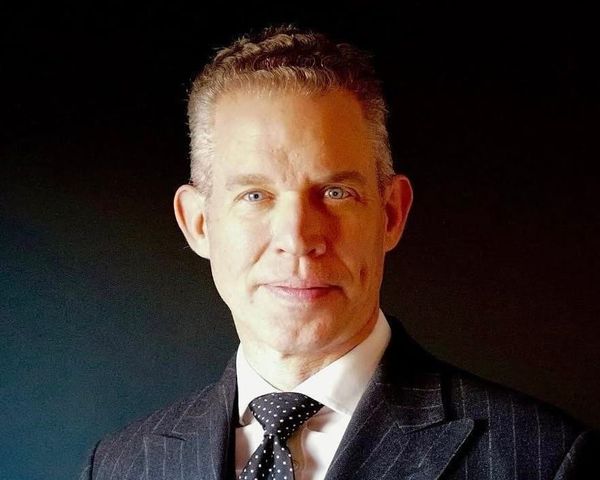
Guest Opinion by Sheila McNeil, Democratic Nominee for Alabama Public Service Commission, Place 2
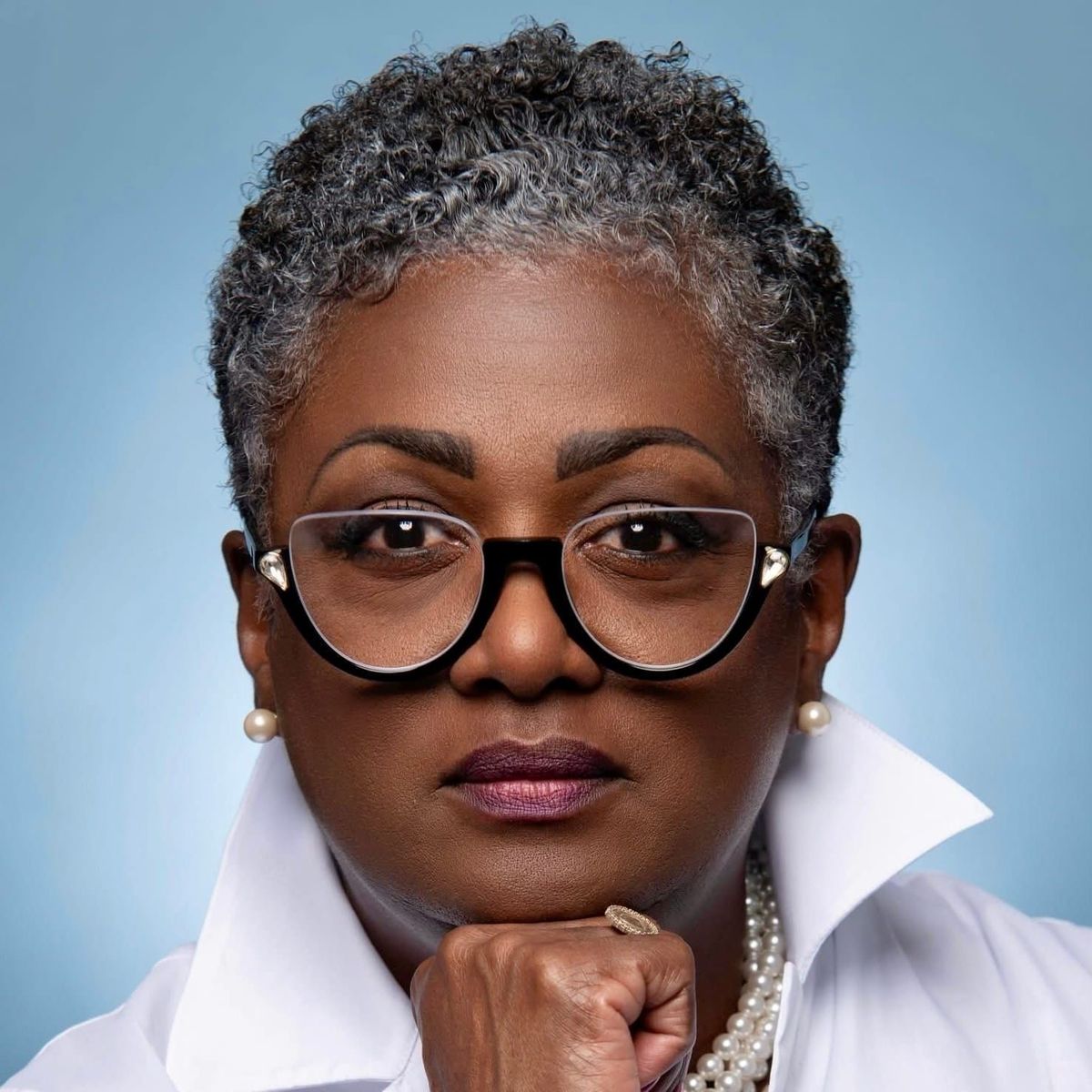
Guest Opinion by Sheila McNeil
Alabamians deserve a clear understanding of who makes decisions about the utilities they depend on every day. House Bill 475, signed into law on April 3, 2026, fundamentally restructures the Alabama Public Service Commission (PSC) and raises important questions about regulatory independence, public accountability, and the future of utility oversight.
One provision deserves particular attention: the requirement that at least five of the seven commissioners vote to amend a meeting agenda established by the Secretary of Energy.
Under HB 475, the Secretary of Energy, a cabinet-level position appointed by the governor, is responsible for directing the Commission’s activities and setting the agendas for its meetings. Although five commissioners can vote to amend an agenda, that threshold means four commissioners cannot make that change on their own. The law also allows either the Secretary of Energy or five commissioners to initiate a formal utility rate case.
There is another important consideration: four of the seven commissioners constitute a majority, yet four votes are not enough to amend the Secretary of Energy’s agenda. Under HB 475, five commissioners must agree to make that change.
This raises a fundamental question about the balance of authority within the Commission. When a majority of commissioners believes an issue deserves consideration, should they have the ability to bring it forward? Or should they need the support of a supermajority to do so?
For ratepayers, this is more than a procedural distinction. It concerns whether the Commission can respond effectively when pressing utility issues demand attention.
Why should Alabama consumers care?
Because the agenda determines which matters receive the Commission’s attention. When the threshold for changing that agenda is five votes, commissioners face a significant procedural requirement if they seek to add matters the Secretary has not included.
This is especially important when consumers want answers about utility rates, service reliability, and the costs associated with major developments such as data centers. Ratepayers need a regulatory body capable of examining their concerns through a transparent process.
HB 475 also creates a distinction between a public meeting about utility issues and a formal rate case. A formal rate case provides a more rigorous process for examining utility rates through an evidentiary hearing. Public discussion is valuable, but it is not a substitute for formal regulatory scrutiny.
The central question is whether the new structure provides sufficient independence for commissioners to respond to ratepayer concerns when those concerns warrant formal review.
These issues are also part of my federal lawsuit, McNeil v. Ivey, pending in the U.S. District Court for the Middle District of Alabama. The lawsuit challenges aspects of HB 475’s restructuring of the Commission, including constitutional questions arising from changes made during an active election cycle.
As of the date of this article, the court has not issued an injunction blocking HB 475. State defendants have sought dismissal of the case, and the constitutional questions remain unresolved. The absence of an injunction does not mean the court has upheld the law; it means the requested relief has not been granted yet.
This legal challenge is about more than one candidate or one election. It raises questions about how changes to an elected regulatory body affect candidates, voters, and the public’s ability to hold government accountable.
As a candidate for PSC Place 2, I believe consumers deserve affordable and reliable utilities, transparent decision-making, and a Commission that can meaningfully examine concerns affecting household budgets and Alabama’s economic future.
HB 475 is now law, but its long-term implications deserve continued public scrutiny. Alabamians should understand how authority is distributed, what safeguards exist, and how their interests will be represented.
The people who pay the utility bills should never be an afterthought in the decisions that affect them. Accountability must be reflected not only in what our laws promise, but also in how our institutions operate.
Alabama’s families and businesses deserve a regulatory process that gives their concerns serious consideration and puts the public interest at the center of utility oversight.
Sheila McNeil is the Democratic candidate for Place 2 on the Alabama Public Service Commission.
For more information on McNeil and her campaign, visit https://mcneilforpsc2.com.
Opinions do not reflect the views and opinions of ALPolitics.com. ALPolitics.com makes no claims nor assumes any responsibility for the information and opinions expressed above.