Security and Compassion: Finding the Balance at Our Borders
Guest Opinion by David Evans
Guest Opinion by David Evans
According to the Department of Homeland Security, more than 87,000 people have been arrested since 2017 for immigration-related offenses. That’s a big number. It represents thousands of real encounters at our borders—and it brings up an important question: what happens when a country doesn’t fully control its borders?
Research from the Brookings Institution points out that weak borders can create opportunities for criminal organizations. Drug cartels take advantage of those gaps to move dangerous substances like fentanyl into the country. And fentanyl isn’t just another drug. It's incredibly powerful, cheap to make, and deadly in very small amounts. It’s been a major factor in overdose deaths across cities, suburbs, and small towns.
Behind those numbers are real people. Families who’ve lost someone. Parents, siblings, friends—people whose lives will never be the same.
It’s not just drugs, either. The International Association of Chiefs of Police has warned that human trafficking networks also use illegal border routes. These groups target vulnerable people and profit off their desperation. They depend on chaos and disorder. When systems are overwhelmed, they take advantage of it. This isn’t about politics—it’s about safety and basic human dignity.Now, to be clear, many people who support more relaxed border policies make a valid point: immigrants are not inherently dangerous. Most people who come here are looking for opportunity, safety, and a better life. That’s always been part of America’s story, and it still is.
But recognizing that doesn’t mean ignoring the fact that some people exploit weak systems.

When enforcement breaks down, it becomes easier for criminals to slip through. Securing the border isn’t about labeling all immigrants as threats—it’s about stopping the people who actually are.
The truth is, we can support legal immigration and still have strong borders. Those ideas aren’t opposites—they go together. A fair immigration system only works if the rules are clear and consistently enforced.
According to the Department of Justice, since 2017 there have been over 200 arrests of individuals in the country unlawfully for murder. Even one preventable crime is too many. And these aren’t just statistics. They’re real people—like Laken Riley, Jocelyn Nungaray, Rachel Morin, and DaCara Thompson. They were daughters, students, mothers, friends. Their families are still living with that loss every single day.
Policies aren’t just ideas on paper. They affect real lives.
We can’t change what’s already happened, but we can decide what happens next.
Moving forward means being smarter about enforcement. It means investing in better technology, supporting law enforcement, improving coordination between agencies, and making sure immigration courts can handle cases efficiently. It also means strengthening legal pathways so people who want to come here the right way actually can.And we need to remember—security doesn’t have to mean cruelty. Enforcing laws doesn’t mean we stop caring about people. We can protect our country and still treat others with respect and dignity.
So here’s my message:
Pay attention. Don’t just rely on headlines or social media. Look at the facts. Listen to different perspectives. Hold leaders accountable for creating a system that is both fair and effective.
Countries don’t fall apart overnight. It happens slowly—when problems are ignored, when systems weaken, and when people avoid tough conversations.
Our border is the first line of defense for our nation. If we want safe and stable communities, we need strength and structure there.
At the end of the day, security and compassion can exist together. Law and humanity can go hand in hand. They’re not opposites—they’re partners.
If we want safer communities, fewer drugs, better protection for vulnerable people, and an immigration system that actually works, then we need balanced, responsible solutions.
The future of this country depends on it.
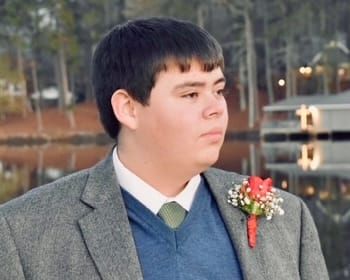
David Evans is a junior at Southside High School in Gadsden, where he is actively involved in the marching band, FFA, and Southside’s Club America chapter. He is passionate about putting America first while also treating others with compassion, respect, and understanding.
Opinions do not reflect the views and opinions of ALPolitics.com. ALPolitics.com makes no claims nor assumes any responsibility for the information and opinions expressed above.