Strengthening Alabama Elections: The Case for Independent Oversight
Guest Opinion by Sheila McNeil
Guest Opinion by Sheila McNeil
The 2026 election demonstrated something political observers should not overlook: the South is not politically frozen. Recent election results in Georgia and Mississippi show that political change is possible, even in states traditionally considered reliably Republican.
But beyond the political outcomes, these elections raise an important question for Alabama: Do we have the independent oversight necessary to ensure that every election is transparent, verifiable, and worthy of public confidence?
This is not about questioning election results or the integrity of the people who administer our elections. It is about recognizing that public confidence requires more than trust. It requires independent verification.
What Other Southern States Are Doing
Mississippi elects five county election commissioners in each county. Its Secretary of State is authorized under Mississippi Code §23-15-615 to conduct procedural audits across all 82 counties for designated general elections. These audits examine voting-machine testing, ballot accounting, seal logs, poll books, absentee ballots, and other election procedures.
Georgia provides another layer of oversight through its State Election Board, which can investigate election administration and, under certain circumstances, appoint independent performance review boards. Georgia also conducts statewide risk-limiting audits using randomly selected paper ballots to provide statistical assurance that reported outcomes are correct.
Additionally, the Carter Center deployed nonpartisan observers in 31 Georgia counties during the 2026 election. Its initial report found that observed tabulation and reporting processes went smoothly, while recommending improved access for accredited monitors.
Mississippi and Georgia are not the only states offering examples of additional election oversight. Louisiana and Florida have also established mechanisms that Alabama should examine.
Louisiana has a State Board of Election Supervisors with authority to investigate election complaints, conduct hearings, and subpoena records. It also has a Division of Election Integrity empowered to initiate independent inquiries into alleged election irregularities.
Florida requires post-election voting-system audits after every election. Counties may conduct public manual audits or use a separate, independently approved tabulation system to examine results across multiple races. Florida also uses county canvassing boards composed of multiple officials rather than relying on a single election administrator for canvassing responsibilities.
These states have different approaches, and none provides a completely independent, nonpartisan statewide oversight structure. However, they demonstrate that additional investigative authority, independent verification, and multiple layers of accountability can be built into election administration.
Alabama should consider these models as it evaluates whether its own election oversight structure provides sufficient independent verification.
Alabama's Current Oversight Structure Needs Strengthening
In Alabama, probate judges serve as chief election officials at the county level and participate in canvassing and reporting election results. The Secretary of State serves as the chief election official statewide.
These responsibilities are important, and county election officials perform essential public service. However, Alabama should consider whether its current structure provides sufficient separation between administering elections, reporting results, and independently examining those results.
House Bill 95, enacted in 2026, established Alabama's Post-Election Audit Act. This is a positive step toward greater accountability. However, the law requires examination of at least one precinct and one countywide or statewide race per county. It does not require a comprehensive examination of every precinct, every contest, or all categories of ballots.
Additional examinations may be conducted, but the minimum requirements do not provide the same level of assurance as a comprehensive, independently administered audit.
The distinction matters. An audit requirement is not necessarily the same as independent oversight.
Alabama Needs an Independent Election Oversight Commission
Alabama should consider establishing an independent, nonpartisan election oversight commission with balanced representation, professional expertise, transparent appointments, and the authority to conduct independent audits and investigations.
Such a commission should have the authority to:
● Conduct meaningful post-election and risk-limiting audits.
● Reconcile precinct results with tabulator tapes, ballot records, and accounting documents.
● Examine absentee, provisional, and in-person voting records.
● Review ballot security, chain-of-custody procedures, and election reporting systems.
● Inspect the original ballot-definition files, verify candidate-to-position mapping, examine source codes, and validate the programming configuration.
● Publish audit methods, findings, discrepancies, and corrective actions.
● Provide a transparent process for candidates and voters to request additional examinations when documented inconsistencies arise.
No single political party or elected official should control these oversight responsibilities.
Election Integrity Should Never Be a Partisan Issue
The purpose of independent oversight is not to favor one political party, challenge election outcomes, or suggest that election officials have acted improperly.
It is to establish a system in which election results can withstand independent scrutiny, regardless of which candidates or political parties win.
If election results accurately reflect voters' choices, independent verification should reinforce public confidence. If procedures or reporting have weaknesses, independent oversight should identify them and help correct them.
Alabama voters deserve an election system that does more than ask the public to trust the process. They deserve a process that demonstrates why that trust is warranted.
Election integrity should never depend on who wins, who holds office, or which political party administers an election. It should be an independent, transparent, and consistent standard applied equally in every county and to every vote.
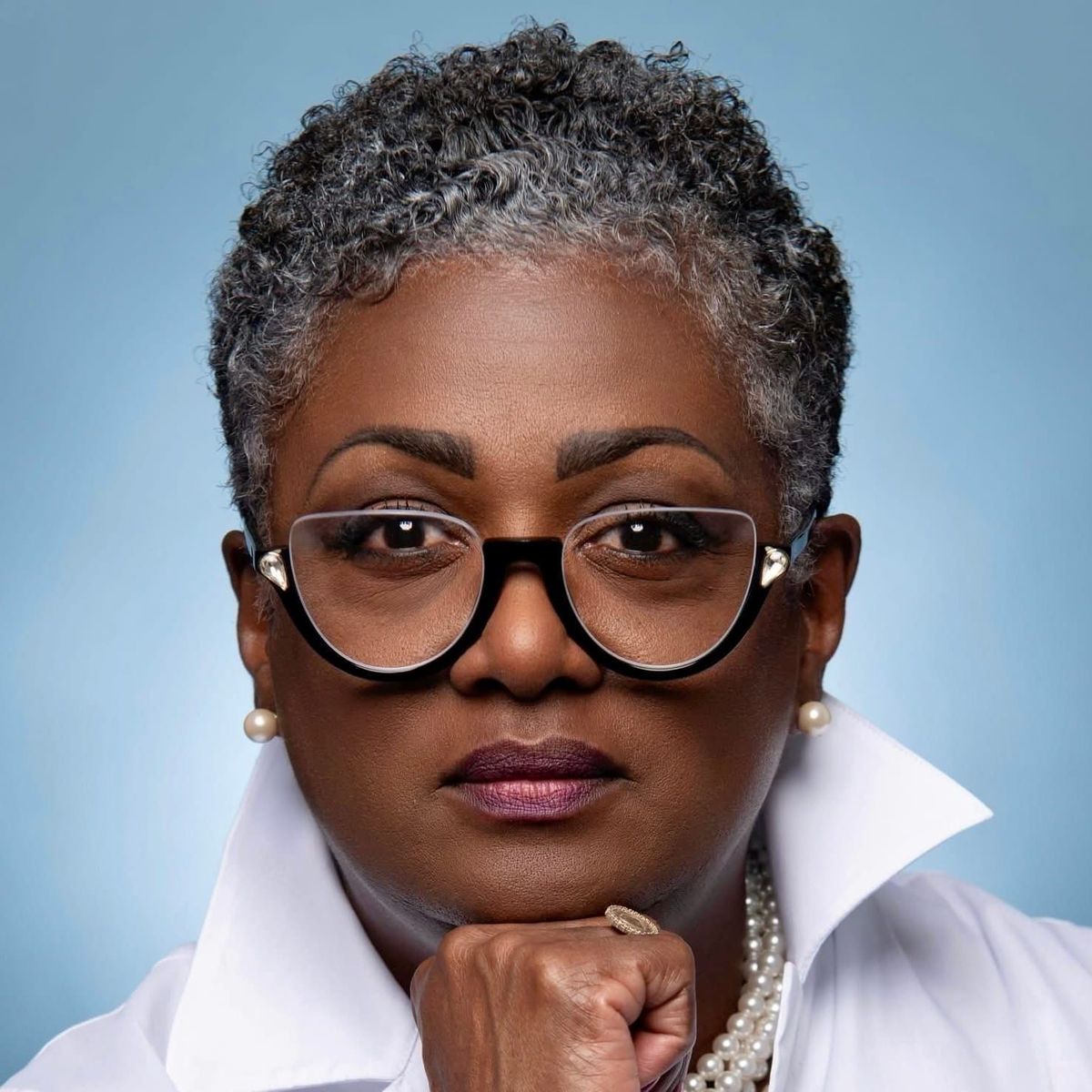
Sheila McNeil, a business owner and consultant, was the 2026 Democratic nominee for Place 2 on the Alabama Public Service Commission. A San Antonio native, she earned a bachelor’s degree in social work from Oakwood University in Huntsville and a master’s degree in public administration from the University of Texas at San Antonio. She served on the San Antonio City Council from 2005 to 2009.
McNeil took over as chair of the Madison County Democratic Executive Committee in 2023. In her PSC campaign, she called for fair utility rates, reliable service and more transparency in how the commission makes decisions.
For more information: sheila.mcneil2013@gmail.com.
Opinions do not reflect the views and opinions of ALPolitics.com. ALPolitics.com makes no claims nor assumes any responsibility for the information and opinions expressed above.