Strong Praises FISA Bill Passage With New Accountability Rules
Rep. Dale Strong backs FISA renewal, citing reforms to curb abuse and strengthen safeguards while preserving tools to track foreign threats
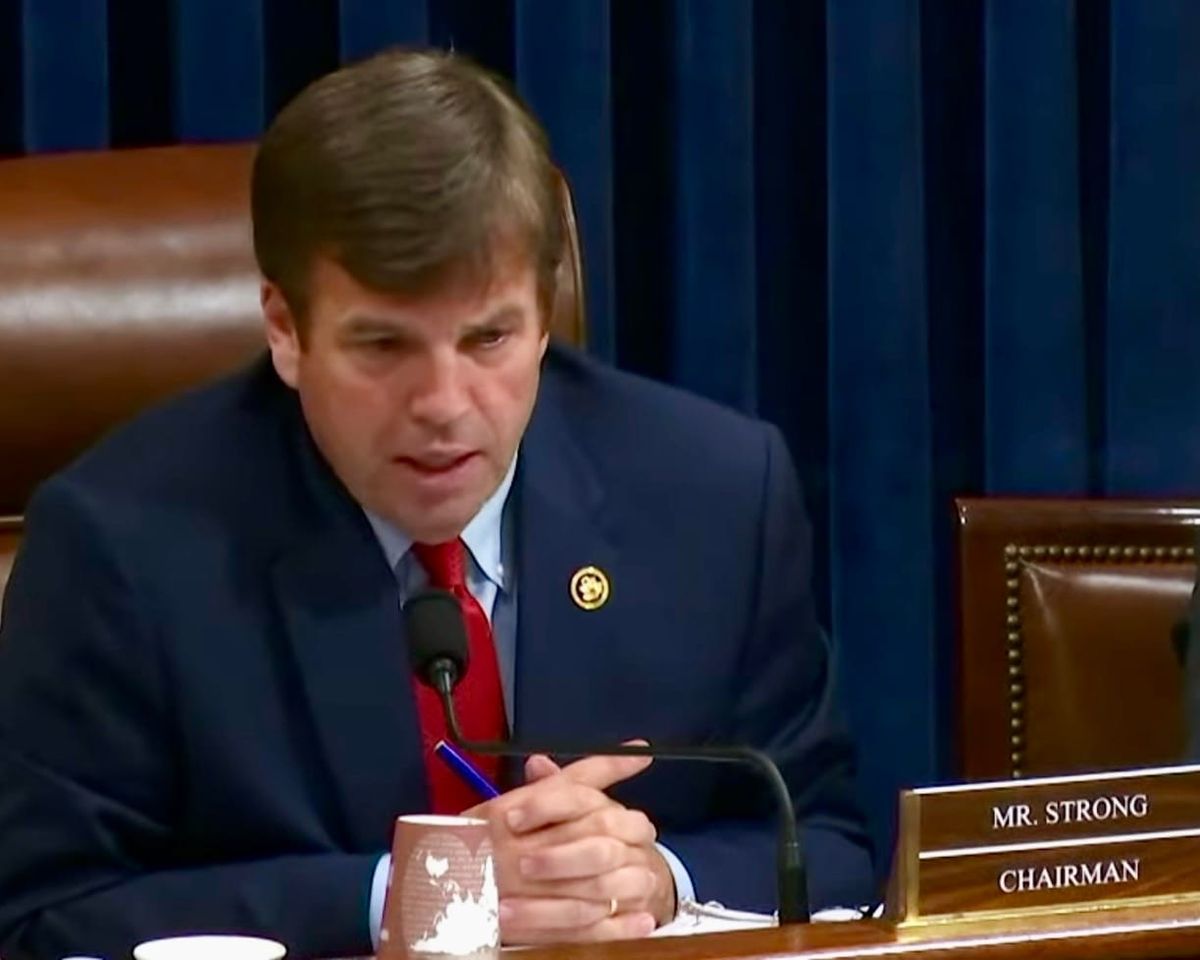
U.S. Representative Dale Strong (R-AL-06) voiced support this week after the House passed legislation reauthorizing key federal surveillance powers, paired with new accountability measures.
The bill, titled the Foreign Intelligence Accountability Act, renews authorities under the Foreign Intelligence Surveillance Act (FISA) while adding safeguards aimed at limiting misuse and strengthening oversight.
“We must ensure the American people are protected against threats to our homeland, while also defending the constitutional rights of every citizen,” Strong said in a statement released following the vote. “This legislation, which is fully supported by President Trump, builds on the significant reforms previously enacted by Congress to ensure FISA cannot be weaponized to target American citizens or political opponents and gives the President critical tools to stop foreign threats.”

FISA, first enacted in 1978, allows U.S. intelligence agencies to monitor foreign actors suspected of posing risks to national security. In recent years, the program has drawn scrutiny from both parties over concerns about improper surveillance of American citizens, particularly through Section 702 authorities.
The newly passed measure extends those authorities for three years, giving intelligence agencies continued ability to track foreign terrorists and adversaries operating abroad. Lawmakers say the bill also preserves more than 50 reforms adopted in prior reauthorization efforts, designed to tighten access controls and improve transparency.
Among the changes highlighted by supporters are stricter penalties for the unlawful use of Americans’ data and additional compliance requirements for intelligence personnel. Backers argue the reforms strike a balance between national security needs and civil liberties protections.
Debate over FISA has remained a flashpoint on Capitol Hill, with critics warning that surveillance tools can be misused without strong guardrails. Supporters, including Strong, say the latest version reflects lessons learned from past controversies and adds meaningful checks to prevent abuse.
The legislation now moves forward as part of ongoing efforts by Congress to modernize intelligence authorities while maintaining public trust.