The Problem Isn’t the Voters
Voters aren’t disengaged because they’re lazy. They’re disengaged because they feel ignored—-Guest Opinion by Elijah Davidson
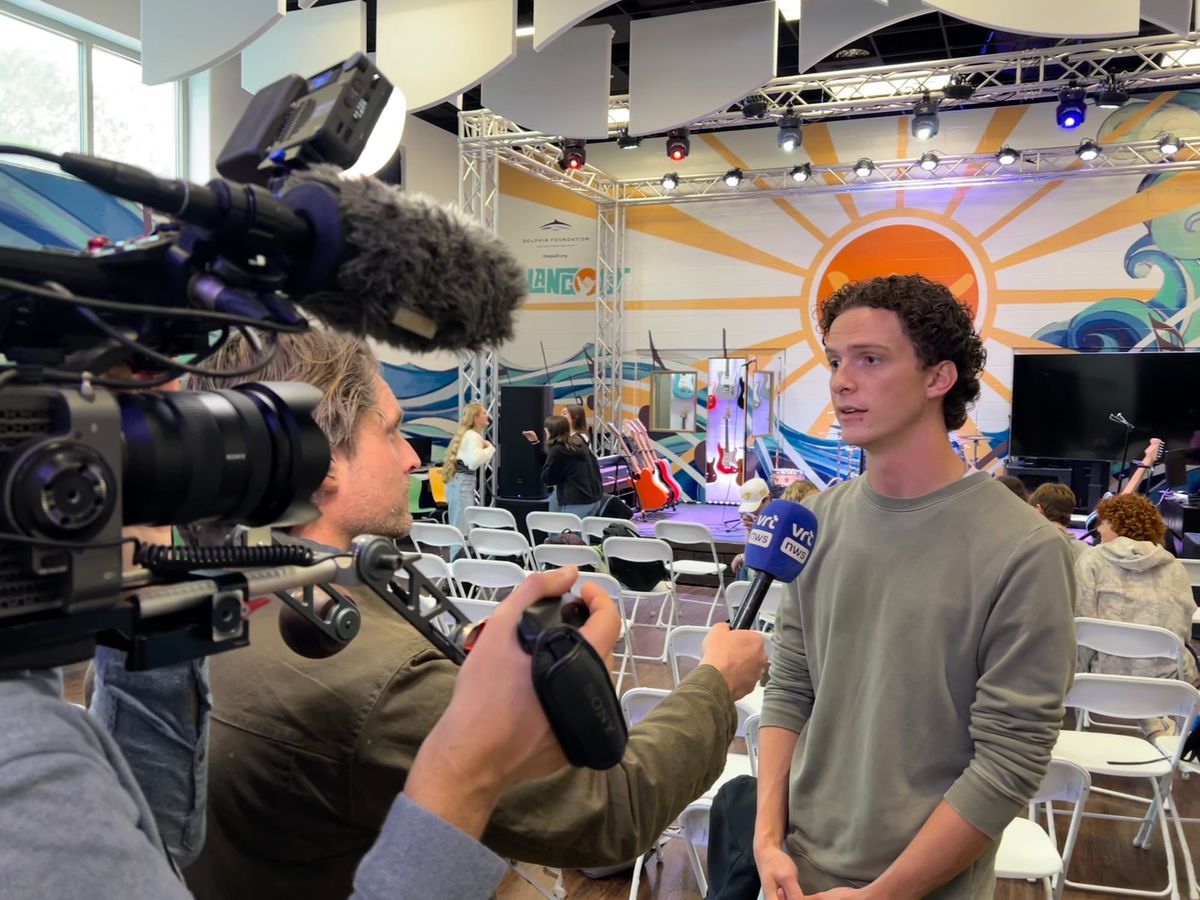
Guest Opinion by Elijah Davidson
A lot of people were surprised by the pathetic turnout in Tuesday’s state primaries. I wasn’t in the slightest. Throughout my unsuccessful campaign for State Representative in Alabama House District 95, it was obvious to me — whether I was talking to voters on their doorsteps or speaking at poorly attended political events — that many eligible Alabama voters had completely tuned out from the electoral and political process.
The reason for that is blatantly obvious when you look at the unholy amount of money spent on mailers, ads, texts, spam calls, and Facebook posts telling voters either how great the candidates were or how terrible their opponents were. That was abundantly clear in my race. Both of my opponents seemed to offer voters little more than vague statements about what they believed in and brutal accusations about how horrible the other candidate was.
Almost constantly, I heard voters tell me at their doors that they did not plan to vote because they did not believe it would make a difference. “They don’t care about me — they only care about the people writing them checks,” was a constant refrain. And in that statement lies the root of the problem in both American and Alabama politics: politicians and candidates like the ones I ran against depend so heavily on support from PACs such as the American Conservative Fund and FarmPAC that they become more concerned with keeping the people running those PACs satisfied than with addressing voters’ concerns.Having said that, not all PACs are bad. Some have a proper place in the electoral process. Most do not.
Many PACs are simply political arms of advocacy organizations like Citizens for Life or Young Americans for Liberty. These are groups of like- minded, concerned citizens who pool their time, effort, and — most importantly — their money into a political action committee. That PAC is then responsible for identifying candidates who align with their goals and who, if elected, will help accomplish them. They do not exist to promote the financial or business interests of a certain industry or profession. There is nothing wrong with groups like that. In fact, those types of PACs can be a positive force in politics. They allow normal people who individually don’t have significant resources to come together and form a bloc powerful enough to push elected officials to address important political and social issues at the local, state, and federal levels that would otherwise be ignored.
Unfortunately, PACs like those are more the exception than the rule.
Most PACs, like the American Conservative Fund and FarmPAC, exist primarily to support candidates whom their financial backers believe will advance their economic interests. The American Conservative Fund is heavily backed by online gaming interests that would like to see an expansion of gambling in Alabama — something the Legislature has the power to approve.
FarmPAC, meanwhile, is funded by farming organizations that would like to see the state government implement policies that financially and economically benefit farmers and the agricultural industry.

Now, I am not saying that organizations advocating for specific industries are inherently corrupt or nefarious. But when groups like these spend millions of dollars to elect candidates they believe will help their bottom line or defeat incumbents who voted in a way that they do not like, they gain an outsized influence over the priorities of those elected officials. Far too often, that influence causes other important issues affecting other professions — and the public at large — to be ignored.
While door-knocking and speaking with thousands of voters during my campaign, I don’t remember a single soul telling me their top priority was gambling expansion or agricultural policy. It was always the cost of living and the fact that their leaders didn’t seem interested in listening to them. Yet my opponents only seemed to be focused on gambling expansion and agricultural policy rather than the cost of living and the desire to bring about proper representation. That is the problem. When candidates move away from advocating for the priorities of the public at large and instead spend most of their time catering to specific interest groups and helping the industries backing them make more money, we get what we saw on Tuesday: a disillusioned electorate that has lost confidence in the idea that being active citizens is a good use of their time.
That key distinction between PACs focused on policy changes and PACs focused on electing candidates who will financially benefit their backers is crucial for voters to understand when they step into the ballot box.
I would argue that the former have a legitimate role to play in the electoral process, while the latter do nothing but weaken people’s trust that elected leaders will use their power to serve those who actually cast ballots for them instead of those who gave them a check to run ads, send mailers, or rent out fancy venues.
While my campaign to reduce the influence of special-interest PACs in the Alabama House of Representatives was not successful this time around, I do believe the turnout numbers are an indictment of the candidates who allowed those groups to influence them. And I believe the days of PAC- driven candidates winning elections are coming to an end. So to all of the people out there who just want to blame voters for not voting, don’t. Voters are not the problem. The candidates that ignore them and cater to vested interests are.
Elijah Davidson is a lifelong resident of South Baldwin County whose prior political experience includes leading the Turning Point USA chapter at Gulf Shores High School (which became the largest in the nation) and working for former Speaker of the House Newt Gingrich. Most recently, he ran in the Republican primary for Alabama House District 95, where he received 19.02% of the vote in his first political outing.
Opinions do not reflect the views and opinions of ALPolitics.com. ALPolitics.com makes no claims nor assumes any responsibility for the information and opinions expressed above.