Trump’s Beef Import Decision Has Alabama Cattlemen Angry — But There’s More to the Story
I don’t believe the evidence supports the conclusion that Donald Trump has suddenly turned his back on American cattlemen.

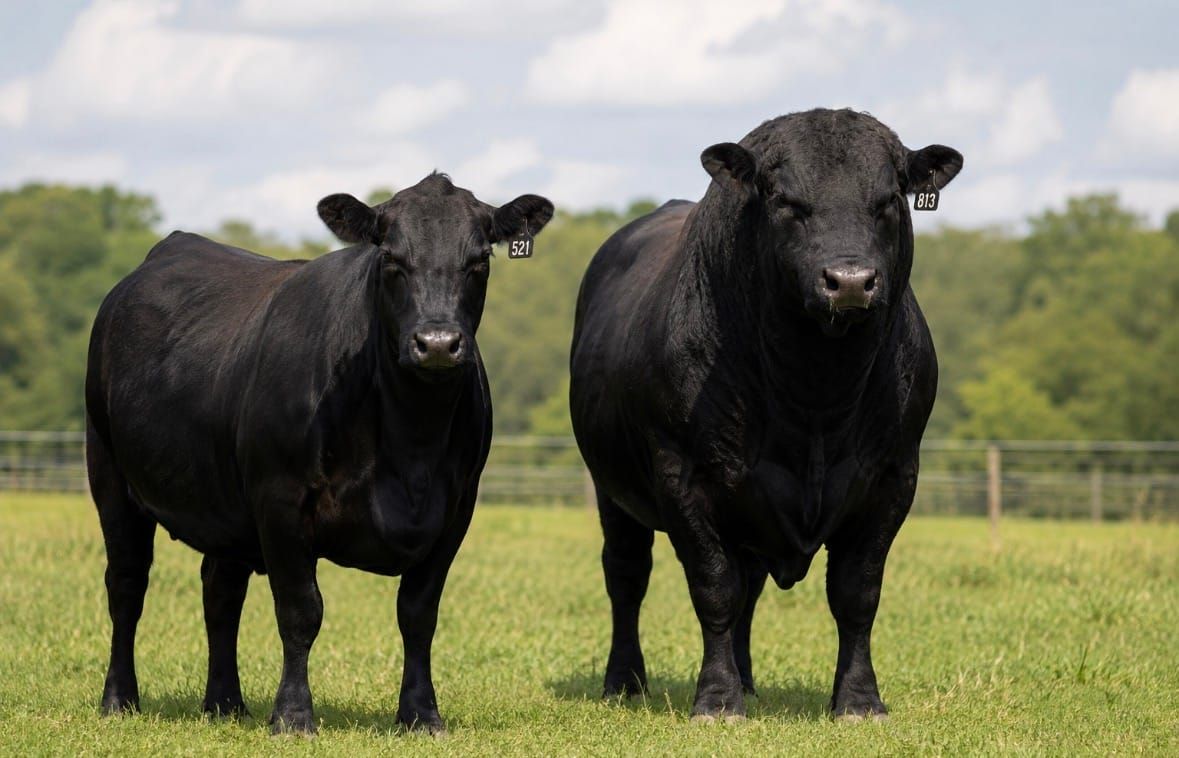
President Donald Trump’s decision to temporarily allow 300,000 metric tons of foreign beef into the United States tariff-free has understandably sent shockwaves through cattle country. Here in Alabama, the reaction has been particularly strong, and as someone who understands the concerns of producers, I don’t dismiss them. But before we declare that President Trump has abandoned the American cattleman, we need to look at the entire picture.
Ground beef prices have climbed dramatically at a time when America’s cattle herd remains near historic lows. We simply cannot produce millions of additional cattle overnight. Rebuilding the national herd takes years, and that creates a difficult situation: American families need relief at the grocery store now, while American cattle producers need favorable market conditions over the next several years to rebuild our domestic supply.
The administration’s answer appears to be a short-term pressure valve—temporarily increasing the supply of lower-cost beef entering the market in an effort to bring hamburger prices down. The part of this announcement that shouldn’t be overlooked is that the tariff relief is temporary. This is a 90-day measure, not a permanent opening of the American beef market to unlimited foreign competition.
President Trump has made affordability a priority, and beef prices are something American families experience firsthand every time they walk into a grocery store. Most Americans may never read an economic report from Washington, but they certainly know what hamburger costs when they are trying to feed their families. If this temporary measure succeeds in bringing those prices down, consumers will feel the difference immediately.
That doesn’t mean we should ignore what happens to cattle producers in the process. The challenge is finding a way to provide consumers relief today without undermining the American producers we will need tomorrow.
ACA CEO Erin Beasley has raised legitimate concerns about the effect of the decision on cattle producers. Alabama cattlemen are marketing feeder calves right now, and cattle markets reacted sharply following the announcement. When you’re the person paying for feed, fertilizer, equipment, veterinary care, pasture improvements and everything else required to keep cattle on the ground, a falling market isn’t simply a number on a television screen. It directly affects your livelihood.
America desperately needs producers to retain heifers, expand their herds, improve pastures and invest in domestic beef production. Cattlemen need confidence in the market before they will make those investments. The long-term goal must therefore remain creating conditions that encourage American producers to expand rather than discouraging them from doing so.
There is another part of this story that has been somewhat lost in the immediate reaction. The Trump administration has already been using targeted beef imports as a way to increase the supply available for ground beef. Earlier this year, the administration expanded tariff-free access for Argentine lean beef trimmings, so this announcement represents a larger extension of a strategy the administration was already pursuing rather than an entirely new direction.
The calculation appears relatively straightforward. In the short term, increase the supply of lower-cost beef to put downward pressure on hamburger prices. In the long term, rebuild America’s cattle herd so domestic producers can eventually supply more of the beef Americans consume. The important question is whether we can accomplish that short-term objective without damaging the very cattle producers we need to accomplish the long-term one.
It is also important to put 300,000 metric tons into perspective. The number sounds staggering, and it certainly isn’t insignificant, but compared with America’s enormous annual beef consumption, estimates put the amount at only a few percent of the total market. That raises a fair question: Will this temporary increase in imports lower grocery-store beef prices enough to make a meaningful difference for American families without doing disproportionate damage to the cattle producers we are depending on to rebuild the American herd?
That is what I will be watching closely over the next 90 days.
I don’t believe the evidence supports the conclusion that Donald Trump has suddenly turned his back on American cattlemen. What we are seeing appears much more likely to be an aggressive but temporary attempt to tackle one of the most visible grocery prices facing American families. At the same time, temporary policies can have real consequences, and cattle producers have every right to make sure their concerns are heard.
America’s long-term answer should be more American cattle, stronger American producers and more American beef—not permanent dependence on foreign imports.
I support President Trump, and I support Alabama cattlemen. Those two positions do not have to be mutually exclusive. This is a temporary 90-day measure intended to give American families some relief while our domestic cattle supply rebuilds. Give it a chance, trust the process and watch the results. But through it all, the end goal must remain a stronger American cattle industry capable of feeding American families with American beef.