Tuberville Backs Federal Ban on PFAS in Food Packaging
Bipartisan bill would bar intentionally added “forever chemicals” from food wrappers and containers nationwide beginning in 2028
TL;DR: Sen. Tommy Tuberville has joined Sen. Maggie Hassan on a bipartisan bill to ban intentionally added PFAS in food packaging. The FDA says PFAS grease-proofing agents have already been phased out of U.S. paper food packaging. The bill would put a federal ban into law, barring such packaging from interstate commerce starting Jan. 1, 2028.
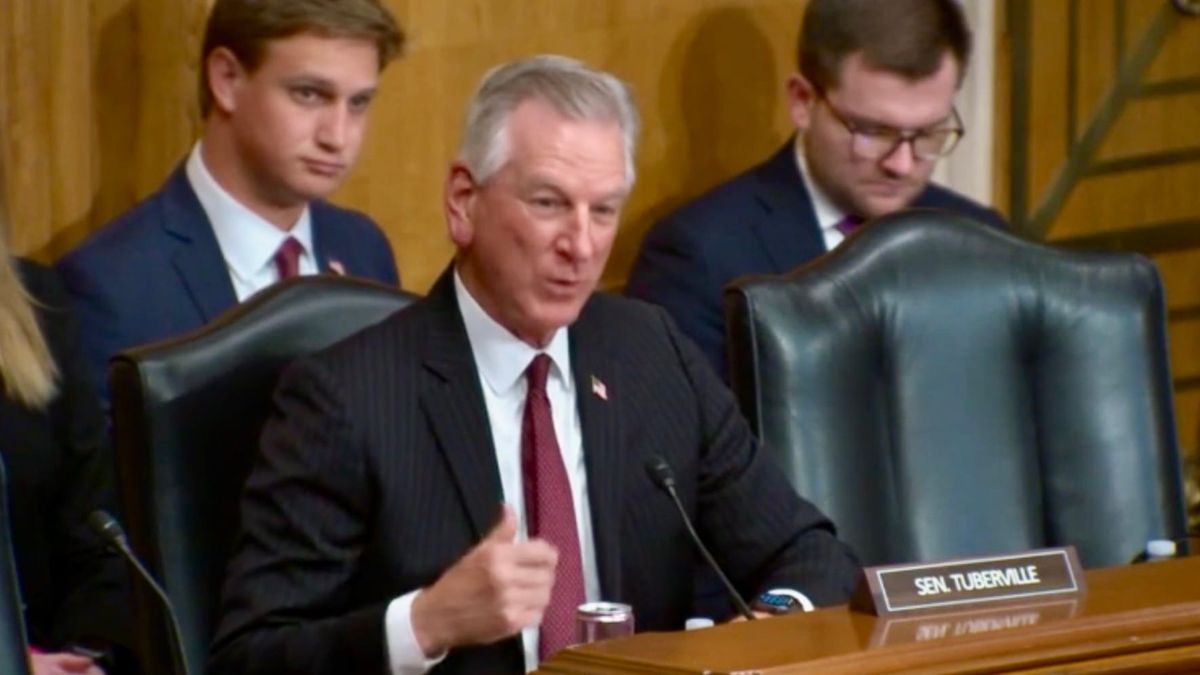
U.S. Senator Tommy Tuberville (R-AL) is backing a bipartisan effort to ban so-called “forever chemicals” from food wrappers and packaging across the country.
Tuberville joined Sen. Maggie Hassan (D-NH) in introducing the Keep Food Containers Safe from PFAS Act of 2026, according to announcements from both senators.
The bill targets per- and polyfluoroalkyl substances, better known as PFAS. The man-made chemicals have been used in some food packaging because they resist grease, oil and water.
“Thanks to the Make America Healthy Again movement, Americans have started waking up to the toxic chemicals that are in many of the products and foods we use every day,” Tuberville said in a statement. “America has the best resources, technology, and people in the world, so why are we sicker than ever? We need to start taking a closer look at things in our environment that are poisoning us. Our children are the most precious resource we have and we owe it to them to ban toxic chemicals like PFAS from products that have proven to be cancerous.”
PFAS are a large class of chemicals that break down very slowly, which is how they earned the nickname “forever chemicals.” According to the Environmental Protection Agency, exposure to certain PFAS has been associated with increased risk of some cancers, reduced immune response, developmental effects, hormone disruption and higher cholesterol. Scientists are still studying thousands of individual PFAS compounds, and health risks can vary by chemical and level of exposure.
The two-page bill amends Section 301 of the Federal Food, Drug, and Cosmetic Act to prohibit the introduction or delivery into interstate commerce of food packaging that contains “intentionally added PFAS.”
For purposes of the law, PFAS would mean a man-made perfluoroalkyl or polyfluoroalkyl substance containing at least one fully fluorinated carbon atom.
The ban would take effect Jan. 1, 2028.
Hassan said a federal standard is needed despite steps already taken by states and private companies.
“I’ve heard firsthand about the devastating impact that PFAS exposure has had on many Granite Staters’ lives. These toxic chemicals have no place in or near our food,” Hassan said. “While I am glad that several states and companies have taken steps to get PFAS out of their food packaging, we need a strong federal standard to protect all Americans. That's why I am introducing bipartisan legislation to ban PFAS from all food wrappers and packaging nationwide so that no family has to worry about bringing these dangerous chemicals into their home when they order takeout. I look forward to working across the aisle to get it passed and protect public health.”
Notably, most of the PFAS grease-proofing agents that prompted much of the concern have already been phased out of paper and paperboard food packaging in the United States.
In February 2024, the Food and Drug Administration announced that manufacturers were no longer selling PFAS-containing grease-proofing substances for food-contact use in the U.S.
Those chemicals had been used in items such as fast-food wrappers, microwave popcorn bags, takeout containers and pet-food bags. The FDA said their removal eliminated the primary source of dietary exposure to PFAS from authorized food-contact uses.
The agency went a step further in January 2025, determining that 35 food-contact notifications tied to PFAS grease-proofing substances were no longer effective because manufacturers had stopped producing, supplying or using them.
The Hassan-Tuberville bill would therefore do something different from simply starting a new phaseout. It would put a nationwide prohibition into federal law, making it illegal to introduce food packaging with intentionally added PFAS into interstate commerce after the 2028 start date.
The measure is also broader in its wording than the FDA's voluntary phaseout of PFAS grease-proofing agents in paper and paperboard packaging. The bill refers broadly to “food packaging” containing intentionally added PFAS.
Hassan first introduced an earlier version of the proposal in 2021. In the years that followed, several major restaurant chains, including Burger King, Chick-fil-A and Starbucks, announced plans to phase PFAS out of their packaging.
For Tuberville, the bill fits into his broader work with the Senate's Make America Healthy Again (MAHA) Caucus.
The Alabama senator was a founding member of the caucus and has pushed federal officials on chemicals and additives used in food.
In December 2024, Tuberville questioned FDA officials about Red Dye No. 3 and why the dye could still be used in food despite restrictions on its use in cosmetics.
The FDA subsequently revoked authorization for Red No. 3 in food and ingested drugs in January 2025. Tuberville and other members of the MAHA Caucus praised the decision, with the Alabama senator pledging to continue working on food additives and related health issues.
The new PFAS bill now puts Tuberville alongside a Democrat from New Hampshire on another food-safety issue — this time seeking to make a largely voluntary industry shift permanent under federal law.
The full text of the Keep Food Containers Safe from PFAS Act of 2026 may be read at THIS LINK.