We Deserve Better — And I’m Here to Help Make It Happen
Guest Opinion by David Marshall
Guest Opinion by David Marshall
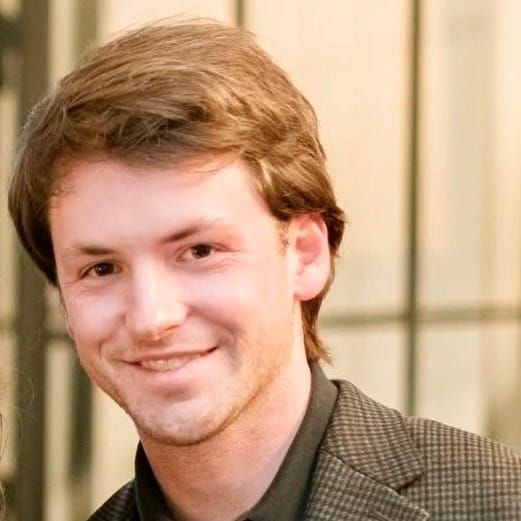
My name is David Marshall. I am 25 years old, from Birmingham, Alabama. I went to Jefferson State Community College, where I studied Construction Management. I also received a Certification from the University of Alabama in Health and Safety. I am not here to fight anyone.
I am here because the generation being asked to inherit these problems deserves a seat at the table while decisions are still being made not after the damage is done.
Let me start with where my generation actually stands, in plain numbers.
Food prices have risen 4.6% per year since 2020, compared to less than 1% annually in the five years before. Mortgage rates hover near 7%. You now need to earn $95,761 a year just for a new home to qualify as “affordable.” The average American salary is $66,622. More than 3 in 5 Americans say buying a home in 2026 is unrealistic. Among Gen Z, 82% say they simply cannot afford it. The average age of a first-time homebuyer has hit an all-time high of 40 years old. The U.S. housing supply gap has widened to over 4 million homes, with 1.82 million Millennial and Gen Z households effectively “missing” young people who should be living independently but cannot.
That is the baseline. That is life before data centers enter the picture. Yes, I would like to discuss Data Centers and how they are going to affect our communities greatly.
They are coming to our neighborhoods fast. More than 5,500 data centers now operate across the United States, nearly double the number from four years ago. I understand why they are being built. AI and digital infrastructure are real and here to stay. I am not asking for them to stop. I am asking for them to be safe.

The HAZMAT Reality No One Is Explaining to Us
Data centers run on lithium-ion batteries. Those batteries are a classified HAZMAT risk, and the record proves why this is.
In 2025, a data center fire in Hillsboro, Oregon burned for five hours, producing toxic smoke and resisting every standard suppression method. Firefighters had to stand down and let the battery bank consume itself. In January 2025, a lithium battery fire in Moss Landing, California forced the evacuation of 1,500 residents the fourth fire at that same facility since 2019. The EPA ordered a full cleanup after a San Diego battery fire burned for nearly two weeks, with their regional administrator stating he was “alarmed by the impacts on first responders exposed to horrible toxic conditions.”
Lithium-ion batteries now make up nearly 40% of the data center battery market, up from 15% in 2020. Documented battery fire incidents rose from 359 in 2023 to 543 in 2024. The International Association of Fire Fighters warns that responses to these incidents will keep increasing until the hazards are engineered out. Most local fire departments, including ours in Birmingham, were never trained for this. No one told them it was coming.
Research projects that by 2030, U.S. data centers could cause 600,000 asthma symptom cases and 1,300 premature deaths annually a public health burden exceeding $20 billion. A single large data center consumes up to 5 million gallons of water daily. Discharge water returns to local supplies carrying chemicals toxic to aquatic life and harmful to drinking water. These are not scare statistics. These are peer-reviewed, government-cited projections.
Let me give an example of how one Data Center projected for the McCalla/ Bessemer area called Project Marvel will be detrimental to one community in the area. Red Mountain Heights has currently experienced flooding conditions during heavy rainfall, which this community has endured for years with no repairs in sight for the people who live there. When the Hyperscale Data Center develops the property near this community, it will change the topography of the land, thus bringing more water into the Red Mountain Heights area and flooding their homes. Red Mountain Heights is currently located in a High Risk Zone A flood area. FEMA flood zones in Jefferson County have produced over 1,373 National Flood Insurance claims. This area will be impacted even more by the development of 1600 acres of land and a projected 18 buildings for the Hyperscale Center.
It Does Not Have to Be This Way
In West Des Moines, Iowa, community leaders bound Microsoft to full renewable energy use, generating over $2 billion in tax revenue and 3,000 construction jobs. In Lancaster, Pennsylvania, a community agreement required water-use caps, emissions controls, and a $20 million community contribution. In Red Oak, Texas, fire departments designated a compliance point person before the first data center opened its doors. These communities did not stop progress. They shaped it. That is what Birmingham deserves.
Here Is What I Am Offering
I am not writing this and walking away. Here is how I am prepared to help right now.
First,
every proposed data center should file a public HAZMAT emergency response plan with local fire departments before any permit is approved. Under NFPA 855, lithium-ion battery systems carry mandatory fire protection requirements. I will help residents understand those standards and show up to the hearings.
Second,
under the federal Community Right-to-Know Act, every regulated facility must report hazardous chemical inventories to your Local Emergency Planning Committee and local fire department. Your fire chief already has the legal right to inspect. Most residents never knew. I will help file information requests and attend those LEPC meetings alongside you.
Third,
any data center seeking approval here should be required to fund specialized HAZMAT and lithium battery fire training for our first responders not taxpayers. I will stand at every city hall meeting and advocate for that condition.
I am 25 years old. I am from Birmingham. I am asking to be a resource not a protest sign, but a practical partner making sure whatever gets built here is built safely, transparently, and with accountability to the people who actually live here.
If you are a council member, a fire chief, an organizer, a developer, or simply a neighbor reach out. Let’s build something worth being proud of.
The future is coming. Let’s be ready for it.
David Marshall is a Birmingham, Alabama resident and community safety advocate. He welcomes contact from residents, local officials, and organizations working toward safe, accountable development. He can be reached at davidrmarshall3@gmail.com.
Opinions do not reflect the views and opinions of ALPolitics.com. ALPolitics.com makes no claims nor assumes any responsibility for the information and opinions expressed above.