White Noise Machines Face New Scrutiny
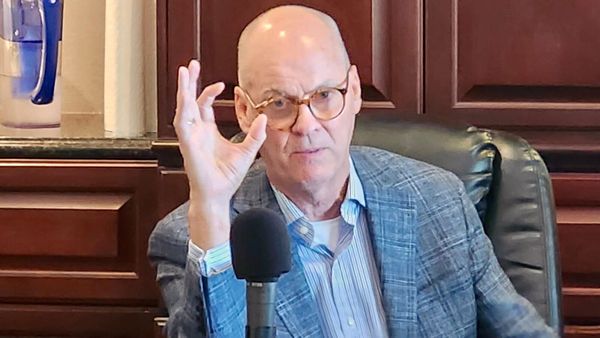
Nurse Beverly Hansen warns that common nursery devices may affect hearing, speech, and brain development in infants
White noise machines have become a staple of modern parenting. Found in millions of nurseries, they are often recommended by pediatricians, sleep consultants, and baby product websites as a simple way to help infants sleep through the night.
But according to registered nurse and neuroscience educator Beverly Hansen, parents may want to take a closer look at what these devices are doing to a developing brain.
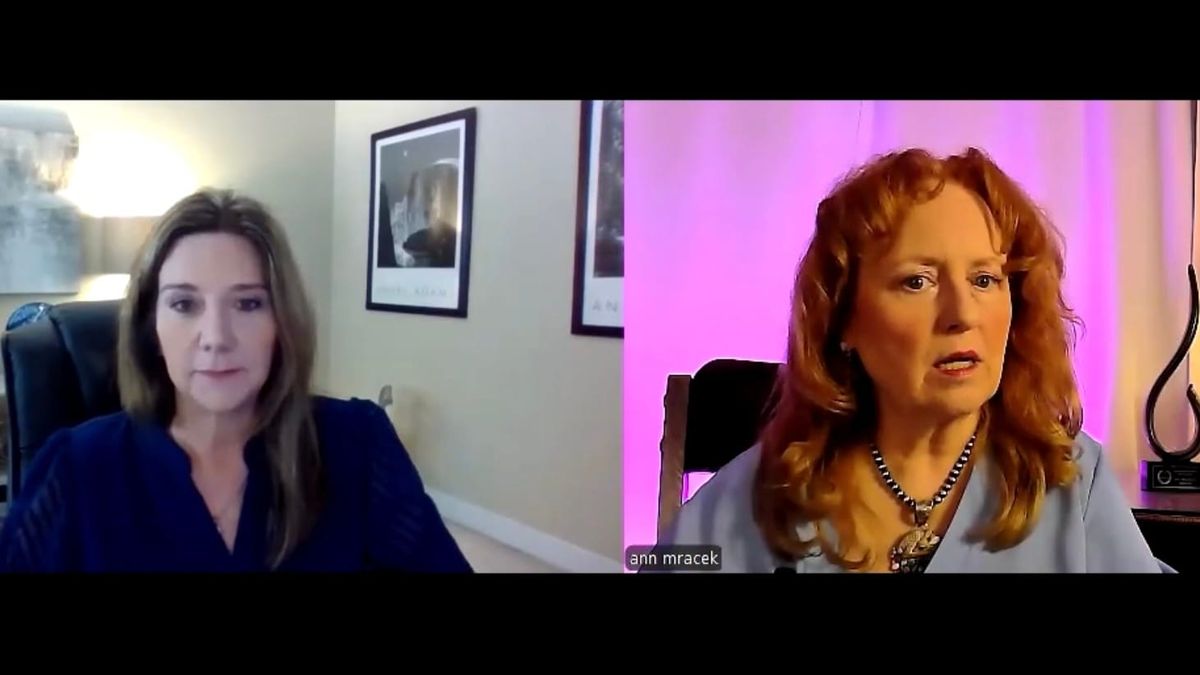
In a recent interview with podcast host Ann Mracek, Hansen, an R.N. with four decades of clinical experience and founder of Clinical Brainiacs, outlined what she describes as growing concerns over the widespread use of white noise machines in infancy. The discussion focused on hearing, language development, brain maturation, and the lack of long-term research examining the effects of continuous noise exposure during early childhood.
Hansen argued that many parents assume white noise machines are harmless because they are so widely marketed and commonly used. Yet she noted that no long-term studies have established their safety for infant brain development.
One of Hansen's primary concerns involves potential hearing damage. She explained that prolonged exposure to elevated sound levels can damage the delicate sensory hair cells inside the ear. These microscopic structures convert sound vibrations into signals that travel to the brain. Once damaged, those cells do not regenerate.
According to Hansen, some white noise machines are routinely operated at sound levels that would raise concerns in adult occupational settings. She warned that infants may be especially vulnerable because their auditory systems are still developing.
The discussion also focused on what Hansen described as the brain's critical developmental window during the first three years of life. During that period, neural pathways are rapidly forming as infants learn to process speech, recognize patterns, and interpret their surroundings.
Hansen contended that continuous white noise may interfere with that process by providing a constant, unchanging sound environment. Rather than exposing the brain to a rich variety of speech and environmental sounds, she said, white noise creates a uniform acoustic backdrop that may reduce the sensory input needed for healthy development.
She further argued that the brain relies on varied sound experiences to build what she described as an "acoustic map" of the world. Human speech contains subtle shifts in pitch, timing, consonants, and vowel sounds. Hansen believes those variations play an important role in language acquisition and communication skills.
Mracek said she has observed speech-related challenges among some of her piano students, including problems with enunciation and phonetic awareness. While neither participant claimed a direct causal link, both suggested that the growing use of white noise devices warrants additional scientific study.
The conversation also touched on emotional development. Hansen suggested that continuous artificial sound may contribute to elevated stress hormones, including cortisol and adrenaline, potentially affecting a child's ability to self-regulate. She linked that concern to what she described as rising levels of anxiety observed among children, though she acknowledged that many factors influence emotional development.
Rather than relying on electronic sound generators, Hansen encouraged parents to return to more traditional approaches to soothing infants.
She recommended lullabies, singing, conversation, and gentle music as alternatives that provide a wider range of acoustic stimulation. Such sound environments, she said, expose infants to the complex patterns that help shape language and cognitive development.
Hansen also urged parents to become more aware of the acoustic environments surrounding their children and to question whether convenience-driven products are always in a child's best interest.
Beyond parental awareness, Hansen said healthcare providers and educators should begin considering a child's "acoustical history" when evaluating speech delays, learning difficulties, and developmental concerns. Through her nonprofit organization, Clinical Brainiacs, she is working to promote greater public awareness of the issue.
While the scientific debate remains ongoing, Hansen's message was clear: parents should not assume that a product's popularity is proof of its safety.
For families seeking the best environment for a developing infant brain, she believes the sounds of human voices may still be the best choice.
The full podcast may be seen on YouTube or below: