Alabama, 19 Other States Sue Dollar General Over Prices
Lawsuit alleges shoppers paid millions above posted prices. Dollar General disputes the claims and pledges to fight the case.
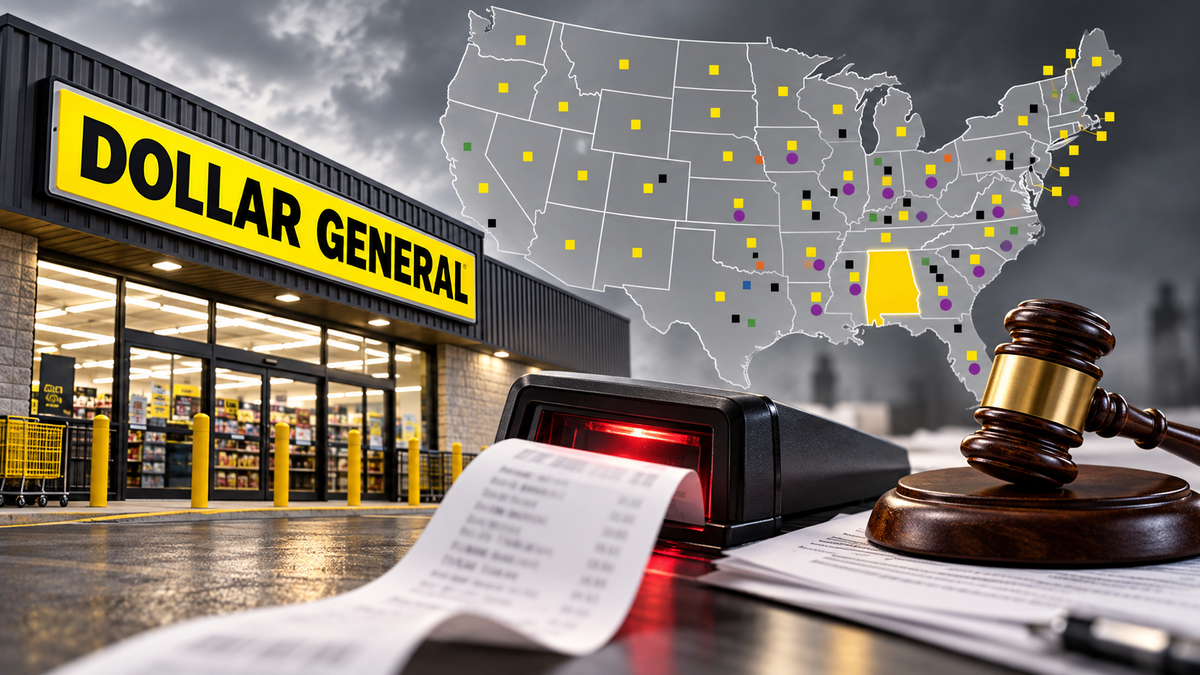
TL;DR: Alabama joined the FTC and 19 other States in suing Dollar General over claims that checkout prices often exceeded advertised prices. The suit seeks financial relief and an end to the alleged practices. Dollar General disputes the claims.
Alabama has joined a federal lawsuit accusing Dollar General of charging shoppers more at checkout than the prices posted on shelves, product labels and ads.
The Federal Trade Commission and 20 States filed the case Oct. 26 in the U.S. District Court for the Middle District of Tennessee. The suit alleges the discount chain collected millions of dollars in overcharges while failing to fix pricing problems it had known about for years.
Alabama Attorney General Steve Marshall announced the States’s role Oct. 27. He said the alleged price gaps hurt Alabama families who depend on getting the most from each and every dollar.
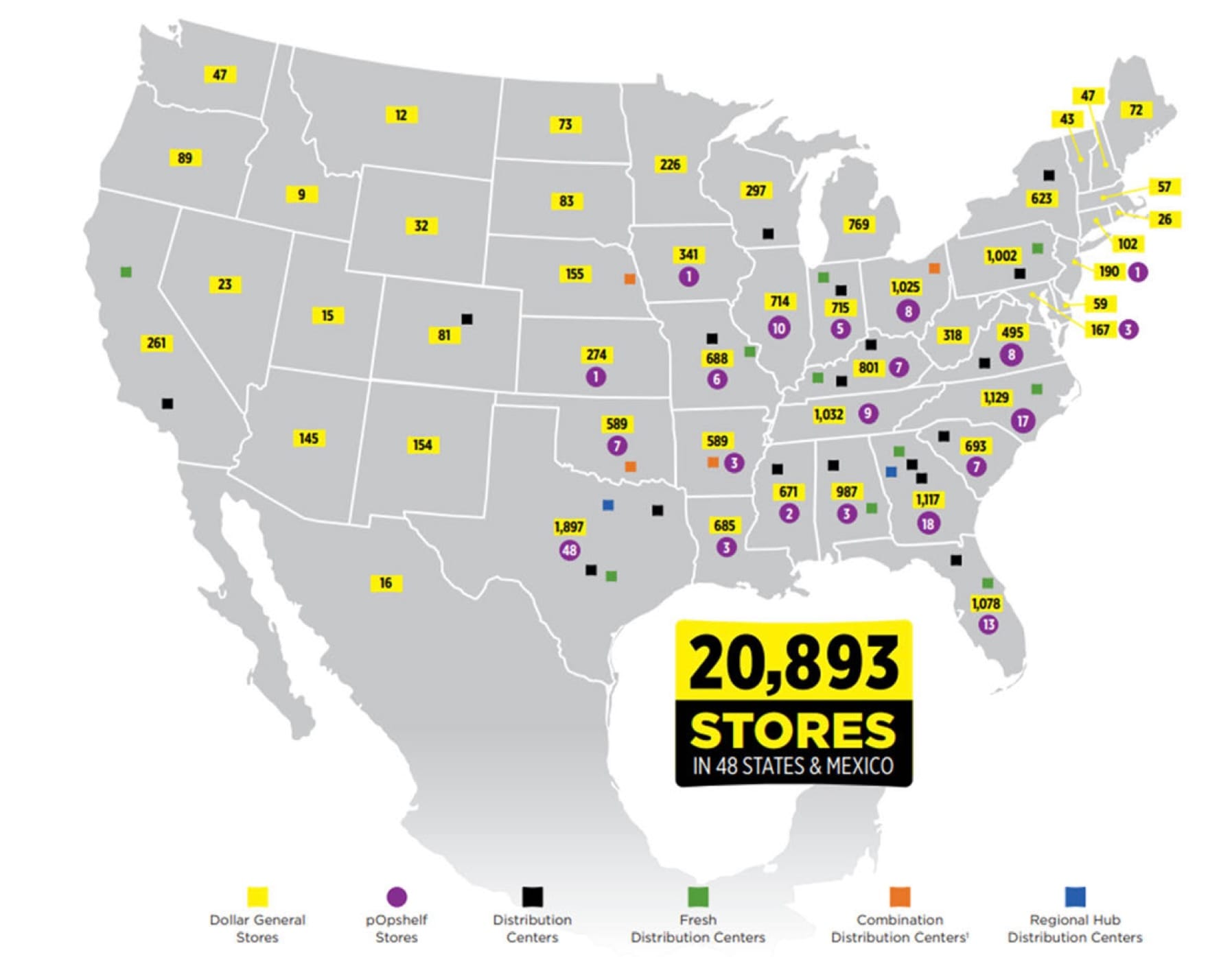
Alabama is home to some 987 Dollar General Stores.
Marshall’s office said the case concerns a repeated pattern across thousands of stores. Despite tens of thousands of customer complaints, the company failed to put adequate safeguards in place, the States allege.
The 95-page complaint says Dollar General received 29,265 complaints about failing to honor marked prices between Jan. 1, 2023, and March 31, 2026.
One example cited in the filing involves a Florida shopper who reported being charged $2.50 for baby shampoo marked at $2. When the shopper questioned the price, an employee allegedly offered two choices: pay the higher amount or leave the item.
The complaint also says Dollar General entered seven pricing settlements with six States between 2019 and 2026, paying more than $6 million in penalties.
The FTC said Dollar General operates more than 21,000 stores nationwide. It markets itself as a low-cost option for everyday goods, including items relied on by shoppers with low or fixed incomes.
The agency and States allege violations of the FTC Act, the Gramm-Leach-Bliley Act and States’ consumer laws. Alabama’s claims fall under its Deceptive Trade Practices Act. The suit seeks a permanent court order to stop future violations, monetary relief and civil penalties.
Dollar General disputes the case.
“Our goal is 100% accuracy between shelf and register prices in every store,” the company said in its Oct. 26 Statement.
The retailer said price errors can occur despite its policies. Employees are expected to correct them for customers, it said, and the company has strengthened its price checks in recent years.
Dollar General also challenged the FTC’s method for calculating consumer losses and its legal basis for seeking money under the Gramm-Leach-Bliley Act. The company said it tried to reach a settlement and plans to defend the lawsuit.
Joining Alabama are Arizona, Arkansas, California, Connecticut, Florida, Illinois, Iowa, Kansas, Louisiana, Michigan, Mississippi, Nebraska, New Jersey, North Carolina, Ohio, Oklahoma, Tennessee, Utah and Wisconsin.
The FTC’s case record lists the lawsuit as pending. These allegations have not been proven in court.