Alabama Backs Parents in Supreme Court Vaccine Fight
Marshall joins 16-State brief backing a West Virginia family whose daughter was barred from online public school over vaccine rules

TL;DR: Alabama is asking the U.S. Supreme Court to hear a family’s religious challenge to vaccine rules for an online public school. The justices have not agreed to take the case.
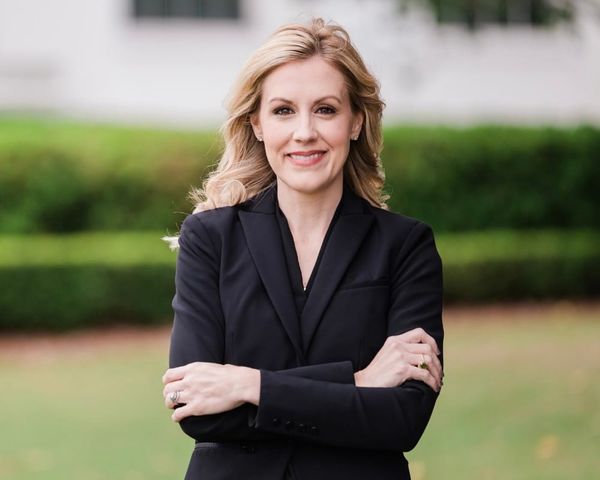
Alabama Attorney General Steve Marshall has joined a 16-State coalition urging the U.S. Supreme Court to hear a West Virginia family’s challenge to vaccine rules that kept their daughter out of public school — even though she attended classes online from home.
On Monday, Marshall announced that Alabama joined a Nebraska-led coalition in filing an amicus brief backing Krystle and Anthony Perry in Perry v. Marteney. The parents say vaccines developed using cells derived from aborted fetuses conflict with their Christian faith.
Their daughter, identified in court records as K.P., was removed from a West Virginia public virtual school after officials learned she was not fully vaccinated. The dispute asks how far the government may go in tying access to public education to a requirement that conflicts with a family’s faith.
Marshall said the justices should make clear that “the First Amendment does not stop at the schoolhouse door or school login.”
The family initially won temporary relief. A federal district judge allowed K.P. to re-enroll while the lawsuit proceeded, finding the parents were likely to succeed on their religious freedom claim.
But a divided Fourth U.S. Circuit Court of Appeals reversed that order April 8. The majority found West Virginia’s law neutral and generally applicable. It held that the State’s medical exemptions did not require it to grant religious exemptions as well. The judges cited longstanding Supreme Court rulings recognizing State power to protect public health.
Judge Paul Niemeyer dissented. He stressed that K.P. attended school at home and argued that the majority failed to give proper weight to Supreme Court rulings protecting parents’ role in their children’s religious upbringing.
The States’ brief acknowledges the school district’s strong interest in preventing disease. But it argues that officials must consider ways to protect health without forcing families to violate their faith.
The coalition points to measures such as testing, masks and temporary exclusion during outbreaks. It argues that the appeals court relied on broad public health goals without adequately weighing those options — or the fact that K.P. studied entirely from home.
The brief also cites Mahmoud v. Taylor, the Supreme Court’s 2025 parental religious rights decision, as grounds for closer review of government actions that burden parents’ ability to raise children according to their beliefs.
The filing asks the justices to hear the case; it does not change school vaccine rules. According to the Supreme Court docket, the school officials’ response is due Nov. 12. The court has not yet agreed to review the appeal.
The full amicus brief may be found at THIS LINK.