Frank Urges Local Election Oversight After Korea Trip
Speaking to Eagle Forum of Alabama, Frank links concerns over South Korea’s voting process to calls for stronger local safeguards
TL;DR: Dr. Douglas Frank urged voters to seek open ballot counts, clean voter rolls and local oversight after his South Korea trip. Officials there have acknowledged election management failures, but those findings do not establish a broader fraud scheme.
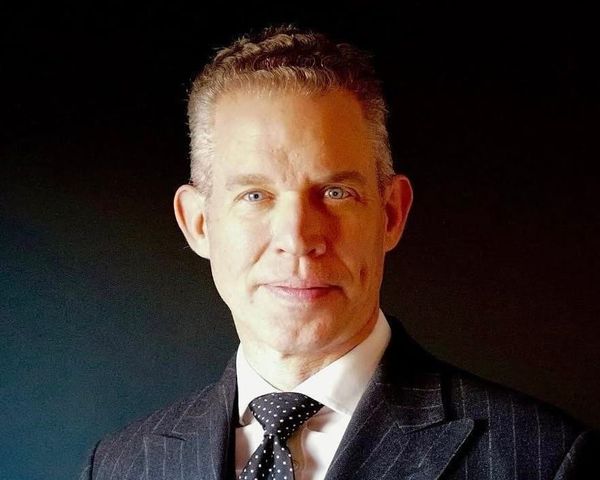
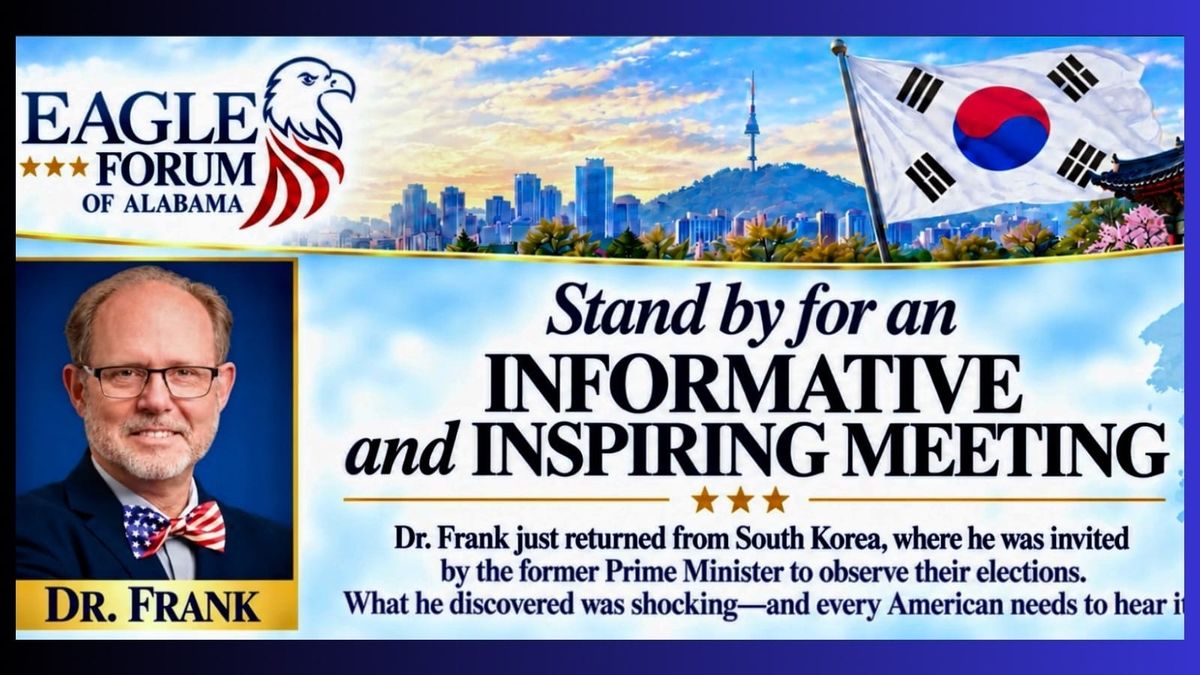
Dr. Douglas Frank told an Eagle Forum of Alabama audience that his trip to South Korea reinforced a message he wants American voters to heed: Election safeguards depend on citizens who stay involved close to home.
The physicist and election integrity advocate discussed his overseas work during the group’s Oct. 13 webinar. Frank traveled at the invitation of a former South Korean prime minister. The program focused on his observations and possible lessons for U.S. elections.
Frank said he traveled as an independent observer alongside former Prime Minister Hwang Kyo-ahn and former U.S. Ambassador Morse Tan. He described examining early voting, voter records and the links between paper ballots and digital systems.
“We observed significant civic engagement, large public demonstrations, and active involvement from local church networks advocating for administrative transparency,” Frank said.
Frank argued that paper ballots alone cannot settle concerns about how an election is run. Voters also need access to the counting process and clear records showing who handled ballots at each stage.
“While South Korea utilizes paper ballots, much of the registration and verification workflow relies heavily on centralized digital networks,” he said.
His concern centers on whether local officials and observers can check each step of that process. He questioned whether control over voter data and vote totals rests too far from the precincts where citizens cast their ballots.
South Korea’s June 3, 2026, local elections did produce documented failures. Ballot shortages disrupted voting at 26 polling stations, according to a fact-finding panel cited by Yonhap News Agency. The National Election Commission accepted the panel’s finding of systemic problems in election management and pledged reforms. Those findings concerned ballot shortages and management failures; they did not establish Frank’s broader concerns about central data manipulation.
Frank’s presence at the protests also drew coverage in South Korea. Maeil Business Newspaper reported June 4 that he appeared with figures challenging the election as protesters blocked the removal of ballot boxes from a Seoul polling station.
During the program, Frank described churches and local groups as a key force behind demands for public access to ballot processing. He urged Americans to bring that same level of interest to their own precincts.
“The primary key takeaway is that transparency must exist at every step: clean voter rolls, decentralized count verification, accessible poll watching, and hand-verifiable paper audits,” he said.
“Citizens must remain active and engaged in their local election processes to ensure accuracy and foster public confidence.”
Dr. Frank’s full presentation may be seen on YouTube and below: