How Alabama ranks for religious liberty
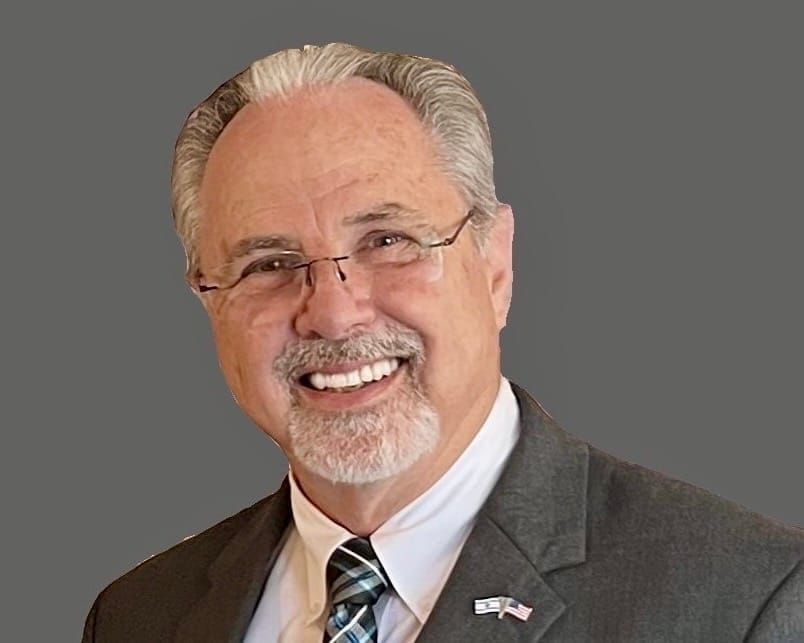
Guest Opinion by AL State Representative Mark Gidley
Guest Opinion by Rep. Mark Gidley
As a member of the Alabama House of Representatives, I have always stood for strong religious liberty laws, and will continue to do so for the benefit for the people of this state. Recently, First Liberty Institute’s Center for Religion, Culture & Democracy released the results of the 2026 Religious Liberty in the States Index—an evaluation of the statutory religious freedom protections in each of the 50 states. Alabama ranked 26th in the nation for legal safeguards intended to protect our citizens’ ability to freely exercise their faiths.
Religious liberty matters to the people of Alabama regardless of one’s religious affiliation. It is a core safeguard for our constitutional freedoms because it shapes the relationship between citizens and government by limiting the government’s power. It protects freedom of conscience and is connected to broader civil liberties including free speech, parental rights, academic freedom, and freedom of assembly. If the government can heavily regulate belief and conscience, all of our constitutional freedoms will weaken over time. A close look at the index provides clear guidance on what lawmakers in Alabama should do to fortify these freedoms both now and for generations to come.
In 2025, over 35,000 weddings were conducted in our state. By some estimates, the total market spend for these weddings was nearly one billion dollars! Currently, Alabama has no safeguards for faith-based businesses that provide goods or services for marriage ceremonies or wedding celebrations. Two Supreme Court cases, Masterpiece Cakeshop, LTD v Colorado Civil Rights Commission (2018) and 303 Creative LLC v. Elenis (2023), offer some First Amendment protections to wedding vendors, but a state law protecting the state’s bakers, photographers, florists,and other creative professionals could prevent years of frustrating litigation. Mississippi and Arkansas have such enacted laws in place, Alabama should be next.
Couples seeking to be united in marriage have multiple options for state-approved officiants including judges, justices of the peace, religious officials and even friends and family who obtain ordination credentials through online organizations. In Alabama, there is no lack of options for wedding officiants, but there is lack of protections for public officials and members of the clergy who may object to officiating a wedding based on religious beliefs. Neighboring state Tennessee has passed laws to protect public officials and clergy members from being sanctioned or required to solemnize marriages that violate their conscience rights. It’s time for Alabama to do the same.
In our state, foster care needs are growing. There are approximately 6,000 children currently in the foster system but only about 2,000 to 2,400 licensed foster homes available statewide—a severe capacity shortage. What is also lacking is a safeguard to ensure that current or prospective foster parents may not be forced to affirm, accept, or support any government policy regarding sexual orientation or gender identity that conflicts with the parents’ sincerely held religious or moral beliefs. Massachusetts, Washington,and Oregon arethree states where agencies denied foster licenses or revoked existing ones for Catholic and Christian families who held religious convictions against affirming gender transition requests for children. Families eager to care for and assist children needing homes in Alabama should be protected by the law, not rejected because of their deeply held religious beliefs.
These safeguards give Alabama lawmakers a starting point to work diligently to protect the religious freedoms of the people of our state that allows all residents to live out their faith without compromise. Alabama has done much to protect religious liberty but there is more that can be done to secure a great future for generations to come.
State Representative Mark Gidley (R-Glencoe) represents Alabama House District 29, which includes portions of Etowah County and Calhoun County. He was first elected in 2022.
In the Legislature, Gidley has backed measures focused on education, faith, and family policy. He serves on several House committees, including Education Policy, Military and Veterans Affairs, and Commerce and Small Business. He and his wife, Kathy, live in Etowah County and have two daughters and four grandchildren.
For more information on Rep. Mark Gidley, visit https://markgidley.org or follow him on social media.
Opinions do not reflect the views and opinions of ALPolitics.com. ALPolitics.com makes no claims nor assumes any responsibility for the information and opinions expressed above.