
Trump Seafood Label Builds on Alabama’s Coastal Push
New federal label aims to promote American catch after Alabama lawmakers passed a seagrass bill but stalled on tax breaks and label enforcement
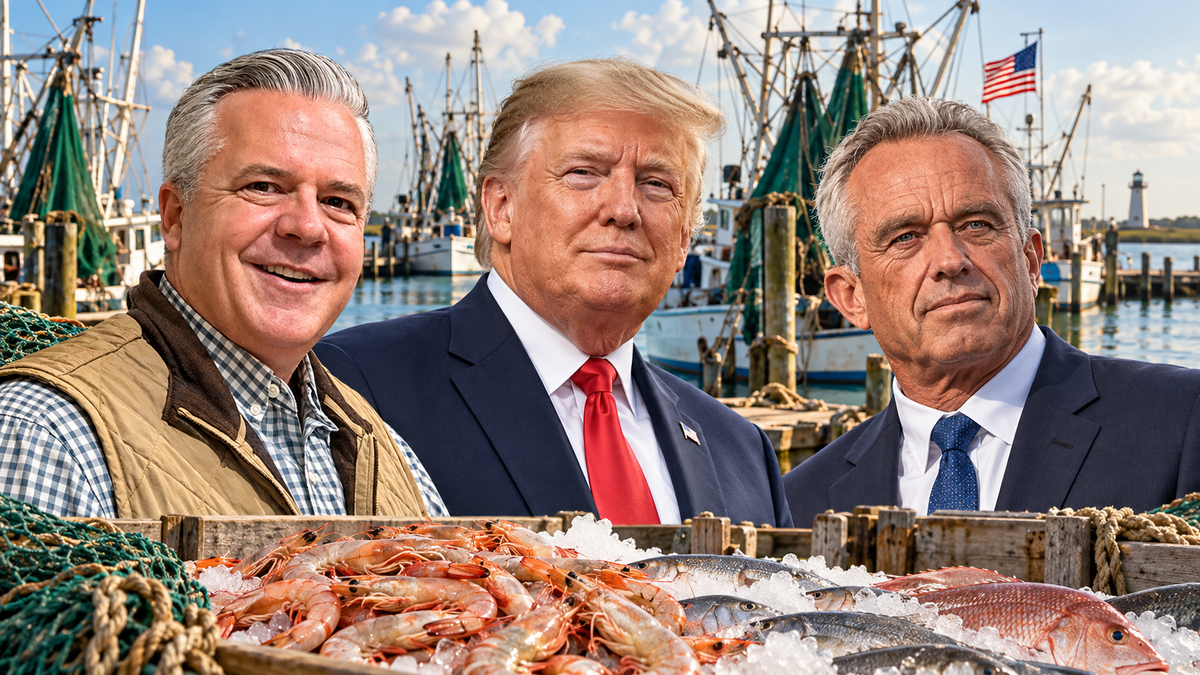
TL;DR: The Trump administration’s voluntary seafood label could help Alabama fishermen market their catch. State Rep. Chip Brown pursued similar goals this year, but only his seagrass restoration bill became law; three other measures died in the Senate.
The Trump administration’s new “U.S. Caught Seafood” label could give Alabama fishermen another way to reach shoppers who want American-caught products. The move follows a mixed year for seafood measures in Montgomery, where one coastal protection bill became law while tax relief and stronger labeling enforcement stalled in the last legislative session.
President Donald Trump’s administration announced the voluntary label Oct. 23 as part of its America First Seafood Strategy. Health and Human Services Secretary Robert F. Kennedy Jr.’s department said the effort is intended to help buyers identify domestic seafood and give American producers a stronger place in the market.
According to the National Oceanic and Atmospheric Administration, the designation covers seafood harvested by American commercial fishermen aboard U.S.-flagged vessels operating under U.S. fisheries management.
The plan also calls for a nationwide “Eat American Seafood” campaign, broader access to federal food purchasing programs and fewer barriers to private investment in docks, cold storage, processing plants and fishing vessels.
For Alabama’s Gulf Coast, the federal effort reflects issues State Representative Chip Brown (R-Hollinger’s Island) has sought to address through State law: clear labels, lower costs and healthy coastal waters.
As ALPolitics.com reported in February, Brown filed House Bill 444 to strengthen enforcement of Alabama’s seafood labeling requirements.
The original proposal called for a five-point deduction from restaurant health scores for labeling violations. It also sought seafood testing and tighter menu disclosure rules.
HB444 passed the House and cleared a Senate committee. It reached the Senate calendar April 7 but received no final Senate passage before the session ended. The bill died and did not become law.
Alabama’s existing requirements remain in place. The Alabama Retail Association says restaurants and grocery store delis must disclose the country of origin or identify fish and shrimp as imported. They must also State whether the seafood was farm-raised or wild. Those requirements began Oct. 1, 2024.
Brown also filed a three-bill package designed to help seafood businesses and protect the habitat that supports their catch. The package proposed tax relief for direct seafood sales, an oyster shell recycling credit and a seagrass restoration task force.
The final results of these bills were:
- HB3, seafood sales tax relief: The measure sought to exempt certain direct retail seafood sales by commercial harvesters from State sales and use taxes. It passed the House, reached the Senate calendar April 7 and died without final passage.
- HB28, oyster shell recycling credit: The proposal would have created an income tax credit to encourage shell recycling. It also passed the House and reached the Senate calendar April 7 but did not become law.
- HB38, seagrass restoration: This measure became law on March 9. It established the Alabama Seagrass Restoration Task Force.
Governor Kay Ivey signed HB38, creating the Alabama Seagrass Restoration Task Force. The task force will help develop a 10-year restoration plan, and will be co-chaired by Dr. John Valentine, Executive Director of the Dauphin Island Sea Lab and Dr. Jo Bonner, President of the University of South Alabama.
Seagrass beds provide nursery habitat for shrimp, red snapper, speckled trout and blue crabs. The Task Force’s first meeting is scheduled for January 2027.
Meanwhile, federal labeling on seafood remains voluntary. It complements existing country-of-origin requirements, and its absence alone does not mean seafood was imported.
The Food and Drug Administration’s related guidance is still a draft with nonbinding recommendations. Existing law already prohibits false or misleading labels. The agency currently lists Dec. 28 as the deadline for comments before work begins on a final version.
The full America First Seafood Strategy may be read at THIS LINK.