
Petition Renews Push to Impeach Chief Justice Roberts
An online campaign draws fresh attention to six impeachment articles filed in May by Tennessee Democrat Steve Cohen
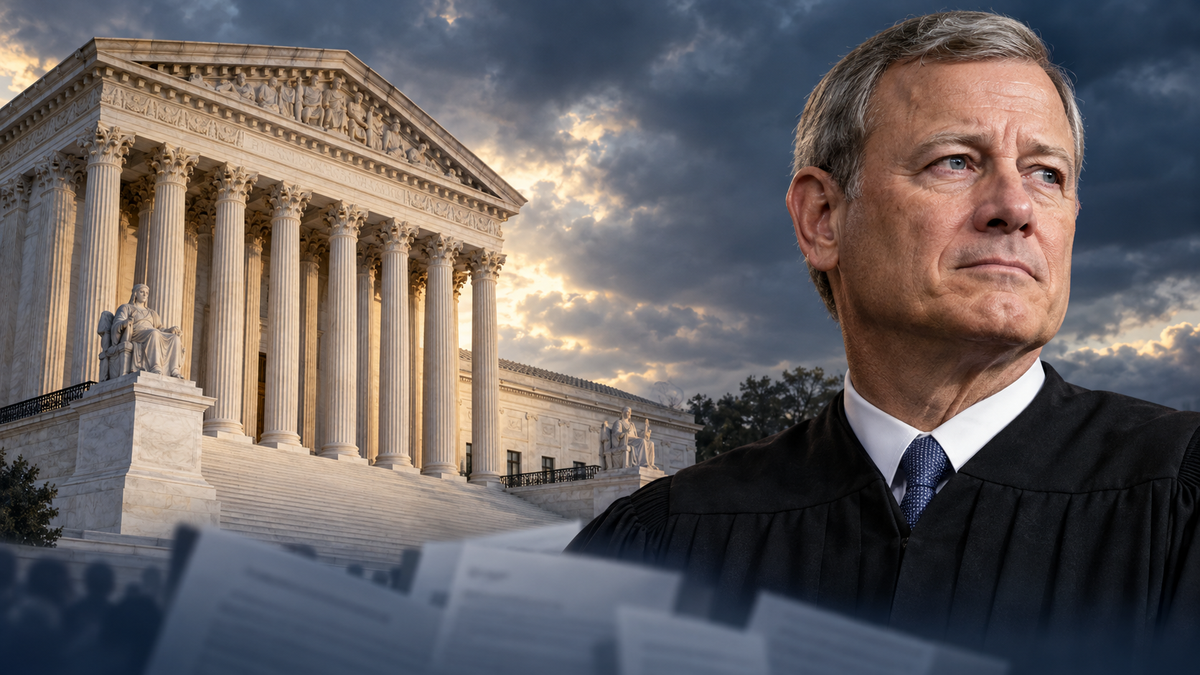
TL;DR: An online campaign has renewed attention to six impeachment articles filed against Chief Justice John Roberts in May. The campaign reportedly tops 34,000 responses, but the House has not voted to impeach him. Alabama’s redistricting fight is named in the first article of impeachment.
An online campaign urging Congress to impeach Chief Justice John Roberts is drawing fresh attention to six articles of impeachment that have sat in the House Judiciary Committee since May.
The Daily Boulder reports that the campaign has topped 34,000 signatures. The story also describes the tally as letters sent to Congress, leaving unclear how many distinct people have taken part. The Action Network campaign, bearing the Democratic Coalition’s name, urges lawmakers to remove Roberts from office.
The campaign builds on a formal filing by Rep. Steve Cohen, D-Tenn. Cohen introduced H.Res. 1309 on May 21, accusing Roberts of violating his oath and failing to uphold the Court’s independence.
The resolution was referred to the House Judiciary Committee, where it has yet to be voted on. The renewed public pressure has not resulted in House approval of the charges, and with the House being in recess until after the Nov. 3 election, no vote will occur before then.
“The Supreme Court was once a proud and credible institution,” Cohen said when announcing the effort.
The six articles target the Court’s handling of election disputes, rulings Cohen says entrench minority rule, campaign-finance decisions, presidential immunity, emergency orders and Roberts’ alleged failures involving financial disclosures and recusal.
Alabama figures prominently in the first article. Cohen points to the State’s redistricting fight as part of his claim that the Court applies rules on election timing in ways that favor Republicans.
The sixth article concerns Jane Sullivan Roberts’ work as a legal recruiter. Cohen alleges that payments from law firms with cases before the Court created conflicts that required her husband to step aside and make fuller disclosures. Those claims remain allegations, not findings of misconduct. www.govinfo.gov
Cohen’s attack on presidential immunity in article four also requires a clarification. The Court’s 2024 ruling in Trump v. United States granted absolute immunity for actions within a president’s core constitutional powers and at least presumptive immunity for other official acts. It expressly denied immunity for unofficial acts. The ruling did not shield every act a president might commit.
An online petition can press lawmakers to act. It cannot impeach a justice. Nor can it compel Congress to act.
There is also a long-standing concern about using impeachment to punish judges for their rulings. Justice Samuel Chase was acquitted by the Senate in 1805. The Constitution Annotated notes that scholars have viewed that outcome as a precedent against removing judges over disputes with their opinions or judicial views.
For now, the campaign has brought Cohen’s May filing back into public view. Whether that attention produces action in Congress remains an open question.
The online petition to impeach Chief Justice Roberts may be found at THIS LINK.