
Trussville Faces Showdown Over Future of Historic Cahaba Homestead
Over the past two years alone, at least ten original homes have been demolished and replaced with significantly larger modern structures, some three to four times the size of the original homes.

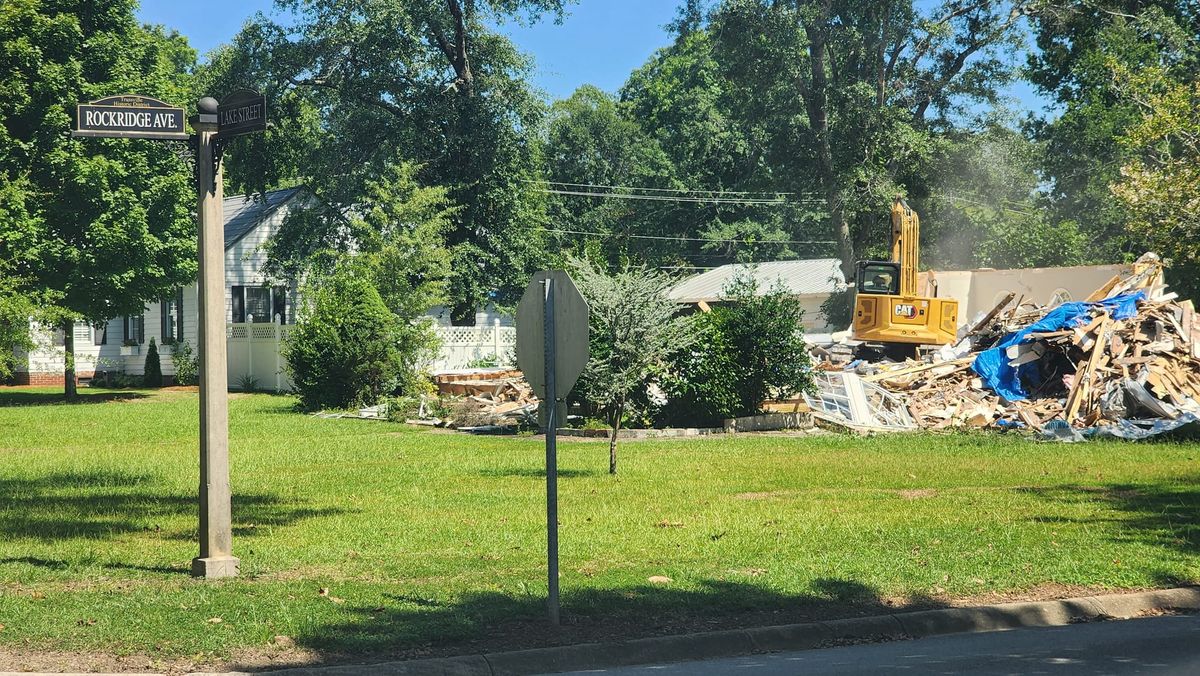
A long-simmering battle over the future of one of Trussville’s most historic communities is reaching a breaking point, as city leaders prepare to consider a proposed overlay district for what locals commonly call the Cahaba Project Area, formally known as Cahaba Homestead Village.
The neighborhood dates back to the Great Depression and was built between 1936 and 1938 as part of a federal New Deal homestead program designed to create sustainable communities. It remains one of the most unique historic districts in Alabama and is listed on the National Register of Historic Places.
For many residents, it is more than just a neighborhood. It is Trussville’s anchor community.

After speaking with multiple residents familiar with the situation, many who requested anonymity due to the intensity of the debate describe years of frustration over what they view as the city’s failure to uphold protections that were once in place.
Roughly 20 years ago, the city established design standards through a Design Review Committee to preserve the unique look and scale of the homes. However, during the last administration, enforcement of those standards largely stopped, with city leadership citing private property rights as justification.
What followed, residents say, has been a steady erosion of the neighborhood’s historic character.
Over the past two years alone, at least ten original Historic homes have been demolished and replaced with significantly larger modern structures, some three to four times the size of the original homes. In one case, two historic homes were torn down to make way for a single oversized build that neighbors say looms over surrounding properties and disrupts the integrity of the area.
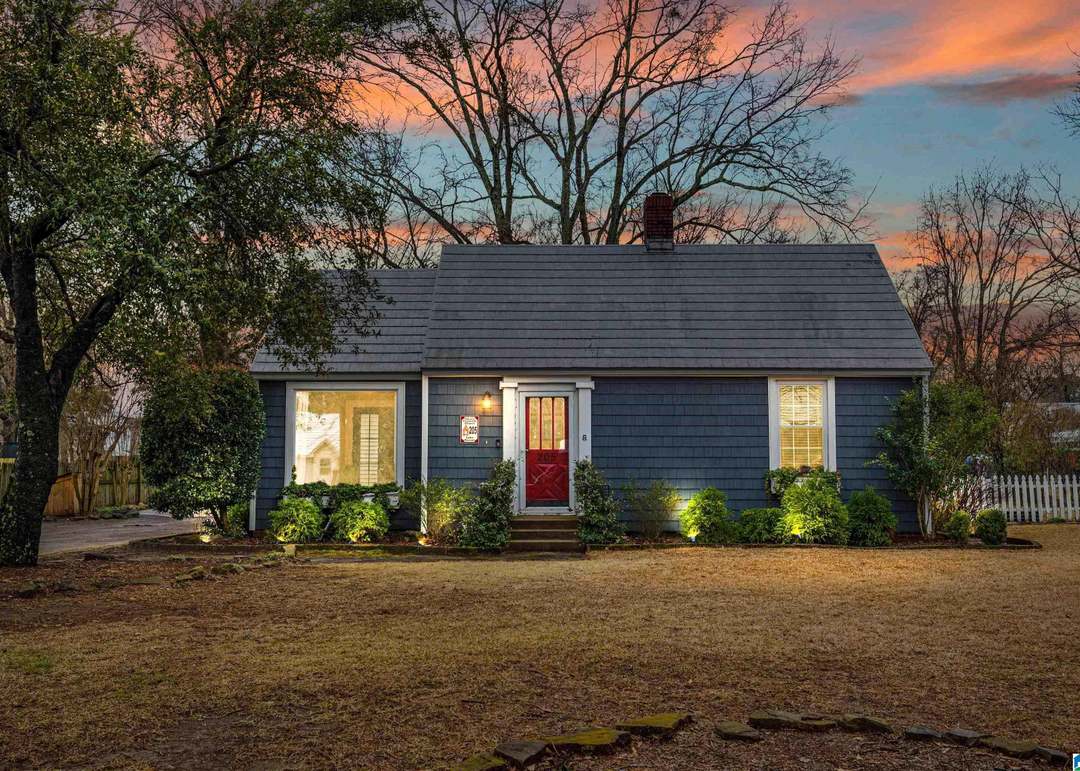
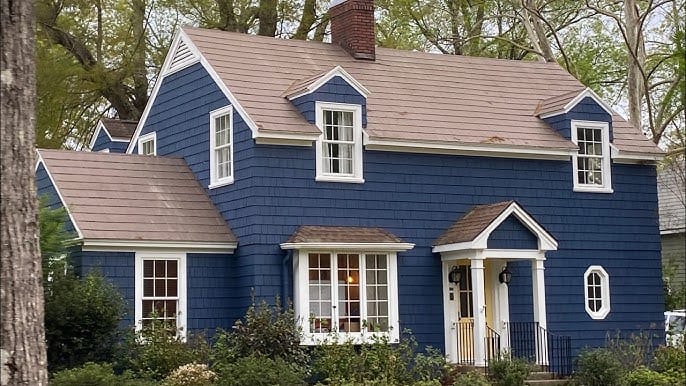
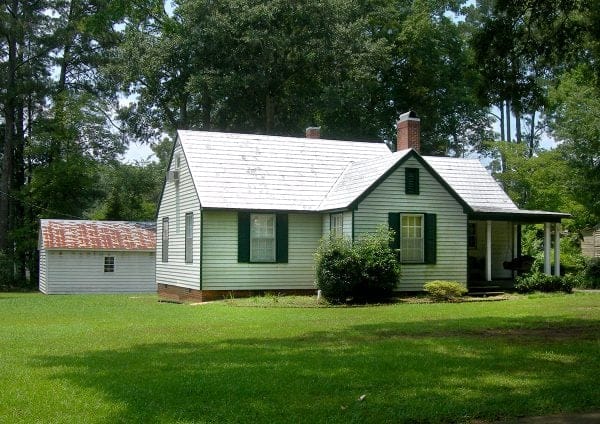
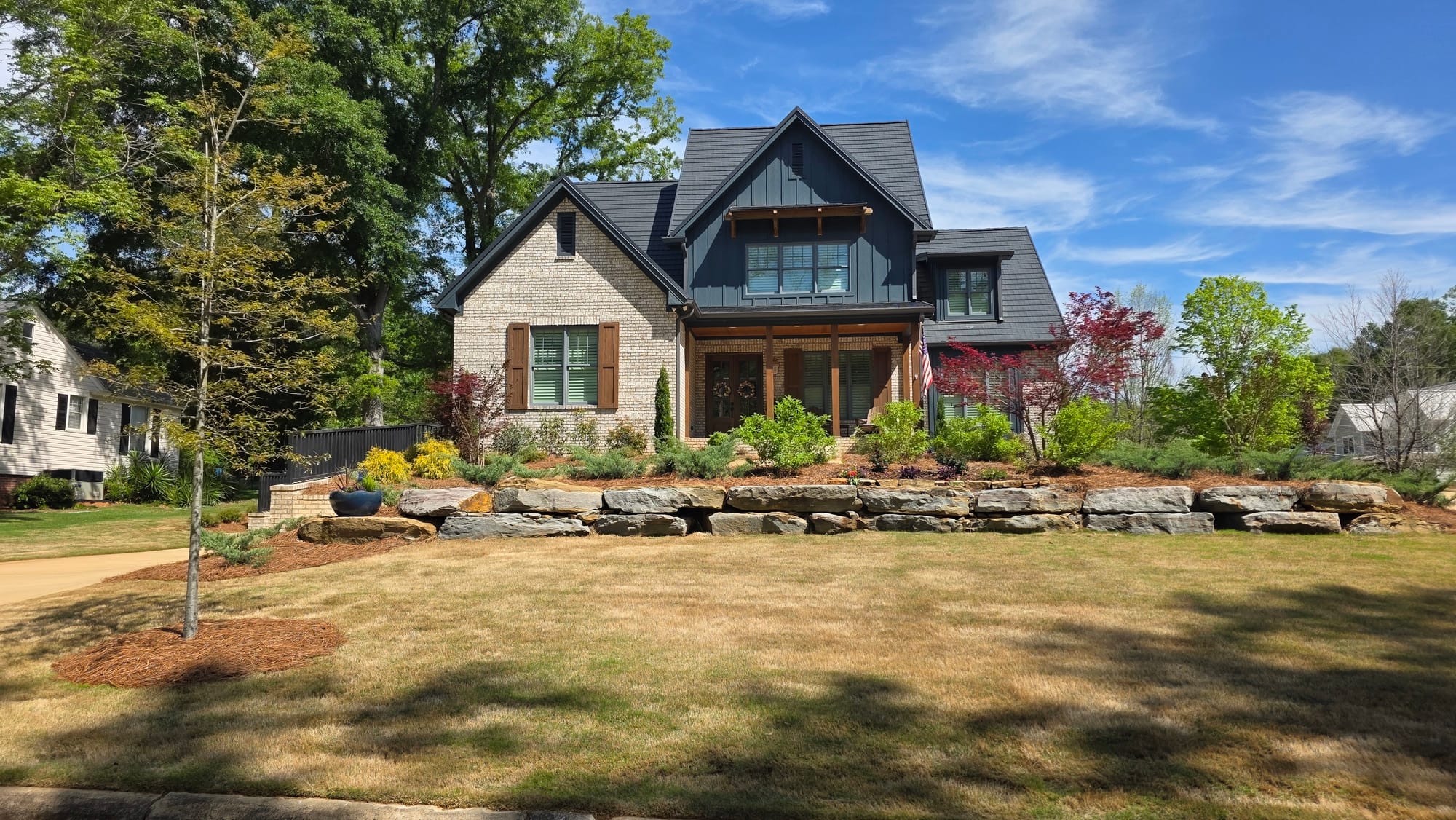
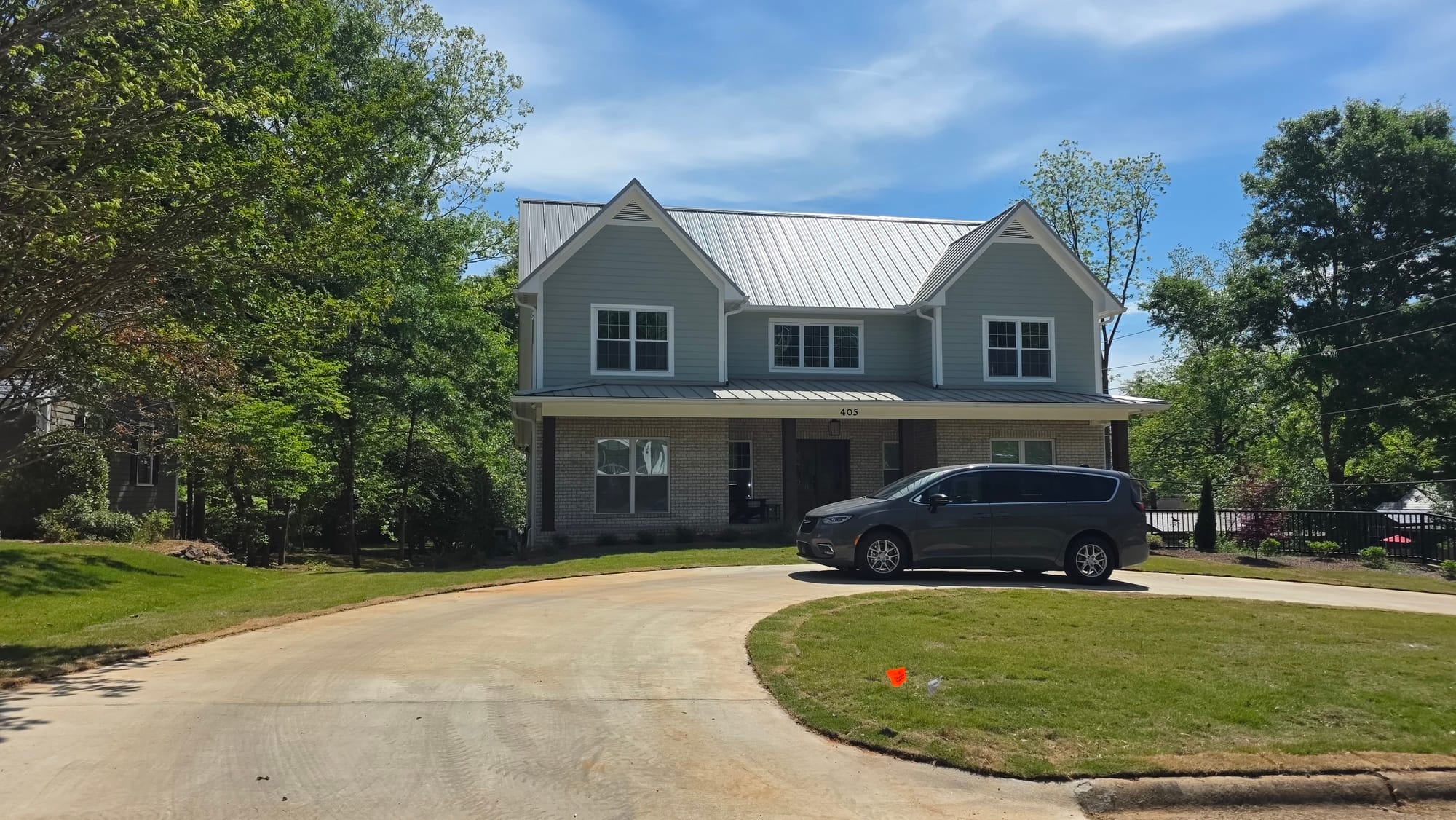
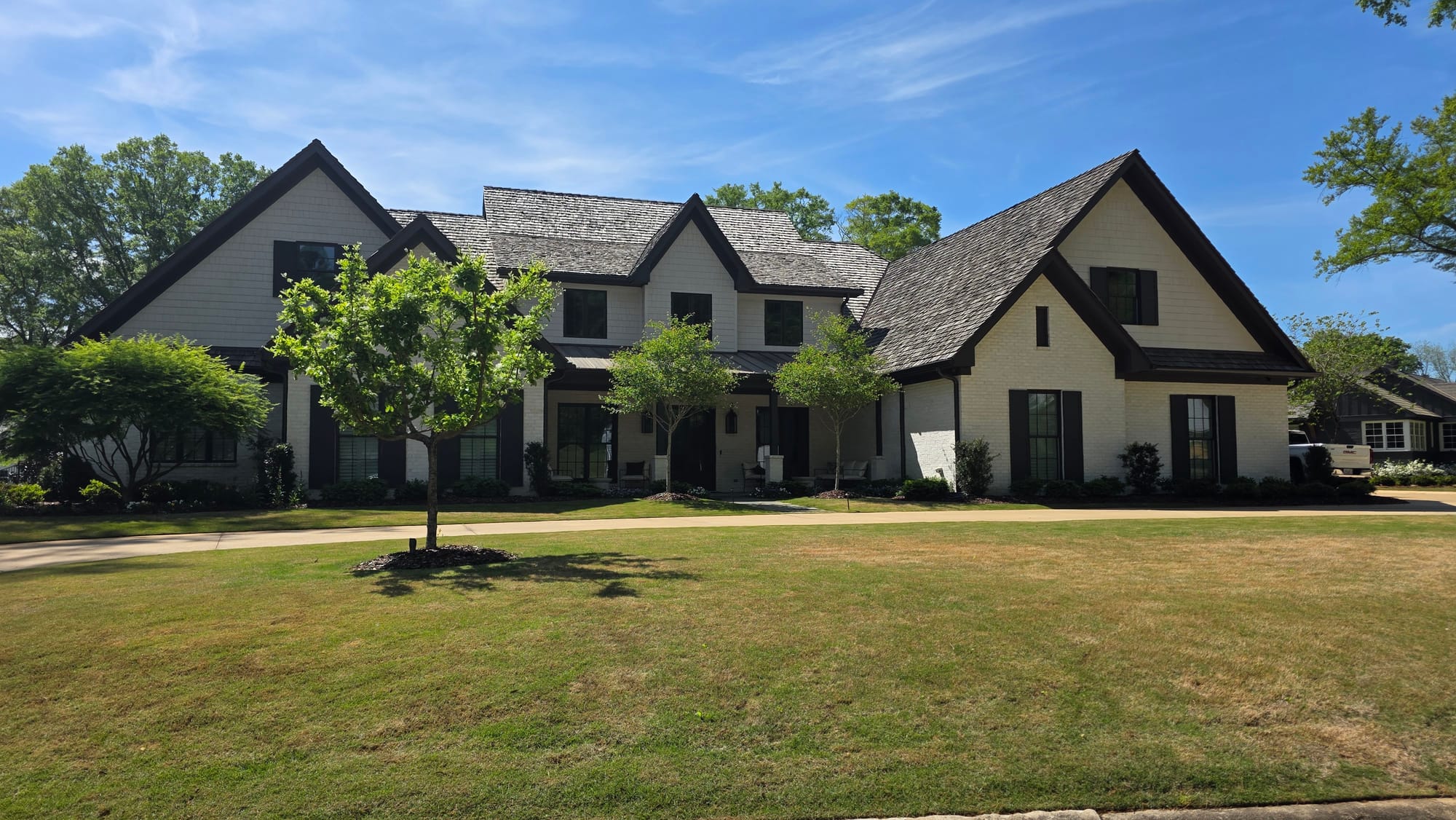
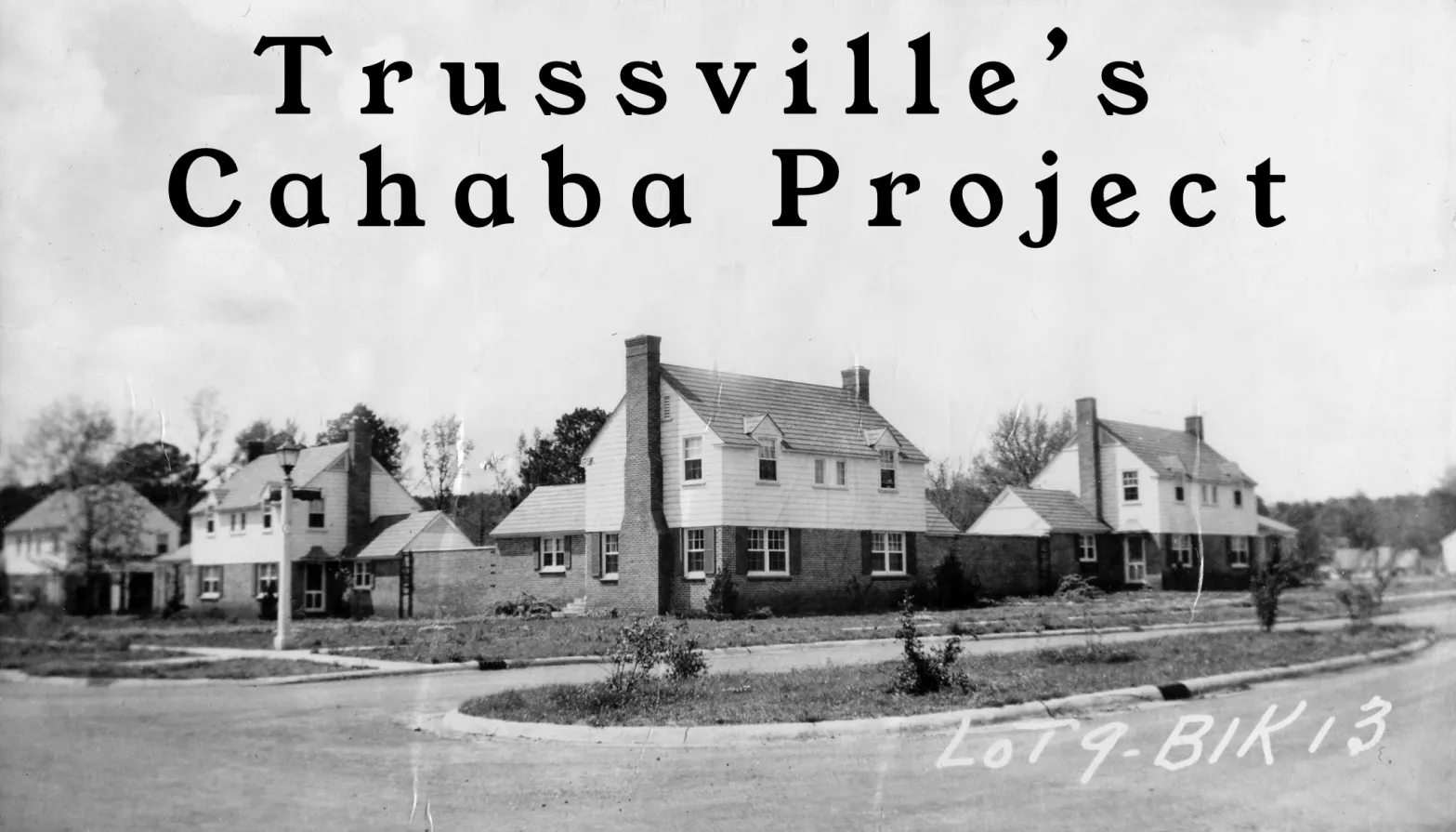
At the top are pictures of the Historic homes which were built in the late 1930's. The bottom photos are where Historic homes were demolished, and new, larger homes were built in their place. The bottom left home took the place of two historic homes and is the largest in the area, which neighbors say is out of place.
Residents also report that some builders have purchased properties and allowed them to sit vacant for extended periods without power or utilities, accelerating deterioration and creating additional concern across the community.
At least two contractors, according to residents, have made it a business model to purchase homes with the intent to demolish and rebuild at a much larger scale. Meanwhile, other builders have taken a different approach, working to preserve the historic character by remodeling existing homes or rebuilding with designs that reflect the original architecture.
“This isn’t about stopping growth,” one resident said. “It’s about protecting something that cannot be replaced. There are plenty of places in Trussville for new construction. This community is different, and it deserves to be treated that way.”
Residents point out that other historic New Deal-era communities across the country have taken a far more aggressive approach to preservation, with local governments stepping in to enforce protections and maintain architectural integrity. They argue that the City of Trussville has failed to follow that example, allowing incompatible development to take hold.
For years, homeowners in Cahaba Homestead Village have pushed the city to follow through on earlier commitments to protect the neighborhood. Many now see the proposed overlay district as a final opportunity to restore meaningful safeguards before it is too late.
“We’ve been patient for years,” another resident said. “But what’s happening now is changing this neighborhood permanently. Once these homes are gone, you don’t get them back.”
Tensions have escalated to the point where legal action is now being openly discussed.
“There is serious discussion among homeowners about pursuing a lawsuit,” one resident said. “If that happens, it could be detrimental to the city and to the builders involved.”
City leaders have indicated the goal of the proposed overlay is to find a balance between private property rights and preserving the unique character of the community. The Planning and Zoning Board will review the proposal and make a recommendation to the City Council.
A public hearing is scheduled for April 13 at 5:30 p.m. at the Trussville Civic Center. Many expect it to be one of the most heated and consequential meetings the city has faced regarding the historic area.
With strong opinions on both sides and the future of Cahaba Homestead Village hanging in the balance, residents are preparing to make their voices heard.
This is a developing story.