Vets to Cowboys Founder Talks About Organization and Mission
Jeremy Clark spoke with ALPolitics.com about his group, which helps Veterans learn the Cowboy Way of Life
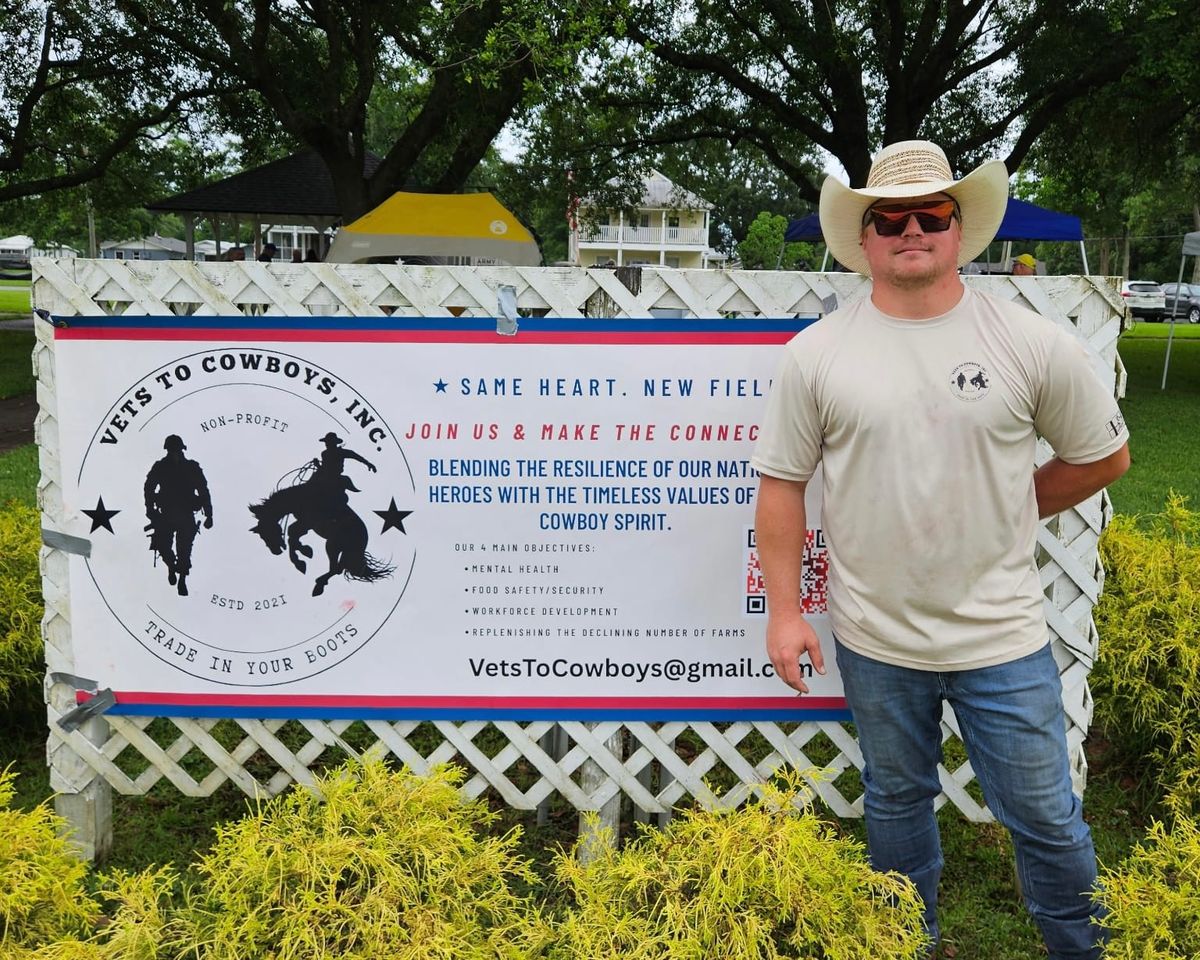
Vets for Cowboys founder Jeremy Clark recently spoke with ALPolitics.com about the organization he and his wife, Heather, founded on his return from serving in the Middle East.
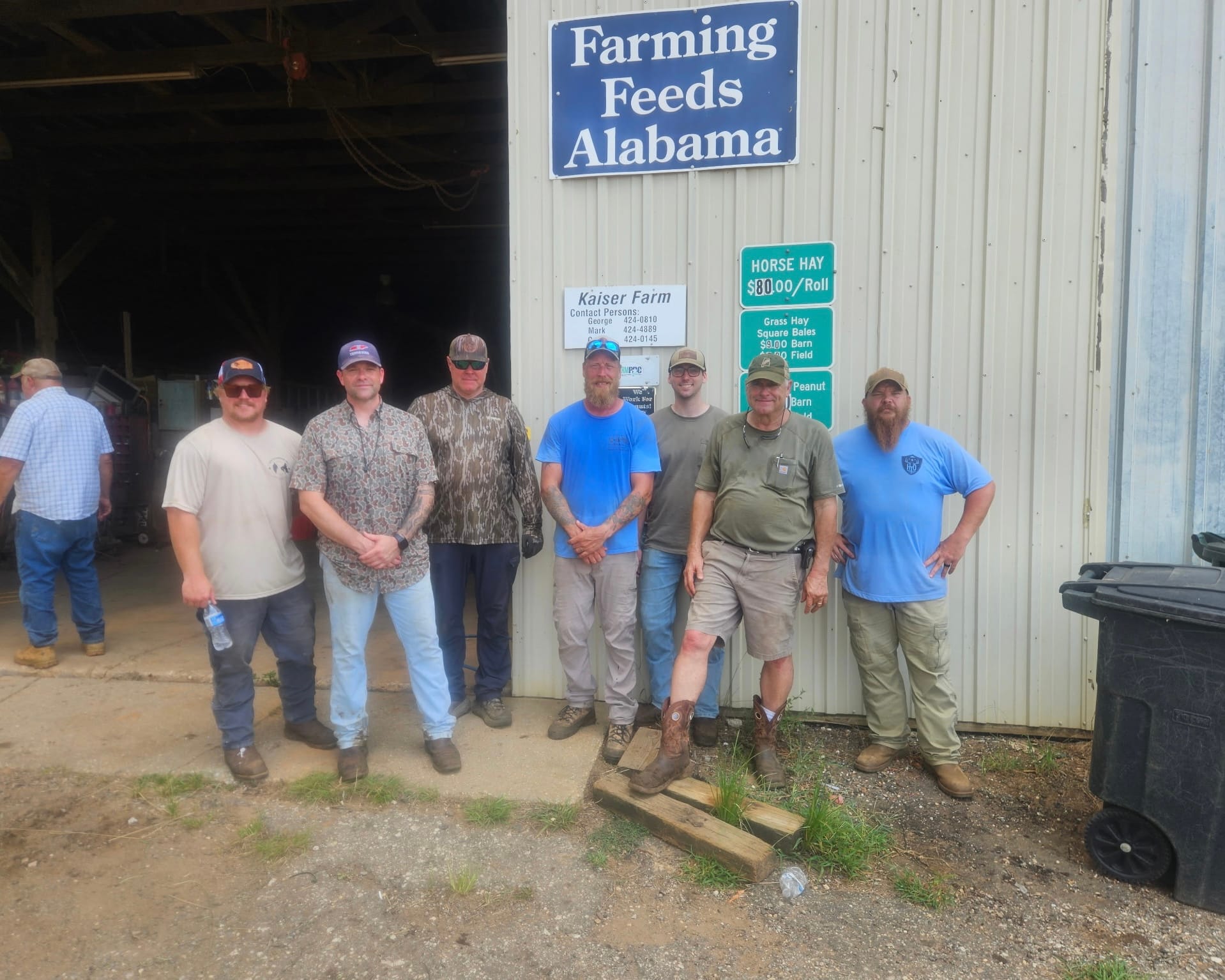
Based on Clark’s farm in Grand Bay, Alabama, Vets to Cowboys assists combat Veterans in returning to civilian life, as well as encouraging them to develop the skills to become ranchers and farmers.
Their Mission Statement says:
"Our mission is to honor and empower combat Veterans by providing them with the opportunity to embrace the cowboy way of life. Through hands-on experiences in ranching and western culture, alongside mentorship from experienced cattlemen, we aim to help Veterans heal, develop new skills, and build a sense of community and purpose. By blending the resilience of our nation's heroes with the timeless values of the cowboy spirit, we work to foster personal growth, mental well-being, and lasting connections that guide Veterans toward a fulfilling, post-service life."
ALPolitics.com began by asking Clark to tell us a little bit about what Vets to Cowboys is?
“Vets to Cowboys is a program that my wife and I, Heather, started when I got home from my last deployment to the Middle East,” Clark said. “We got into agriculture to feed our family, and we noticed that it was a great relief for myself coming home from serving in the GWOT (Global War on Terror) era, and we had a lot of Veterans reach out that wanted to get involved, and we took them under our wing, and next thing you know, we gave birth to this wonderful program that's helping in many different ways.”
We then asked Clark to expand on the Mission Statement and the goals of the group.
Clark began by saying, “The first aspect is mental health, the second is food safety and security, third is workforce development, and the fourth is replenishing the dwindling number of farms in Alabama, and hopefully the country. So, the first one on the mental health side, we do cowboy activities to bring Veterans together. They get some camaraderie time, they get some stress relief, they get to do fun new activities. We have an equine-assisted learning facility. We've got a 3000 square foot barn. We built some new stalls. We've added our horses. We also do several other events, like we go on a clay shoot, we do a dove shoot. We've done some fishing trips, all your normal events that you see Veterans getting to participate in, but our main focus is cowboy activities.
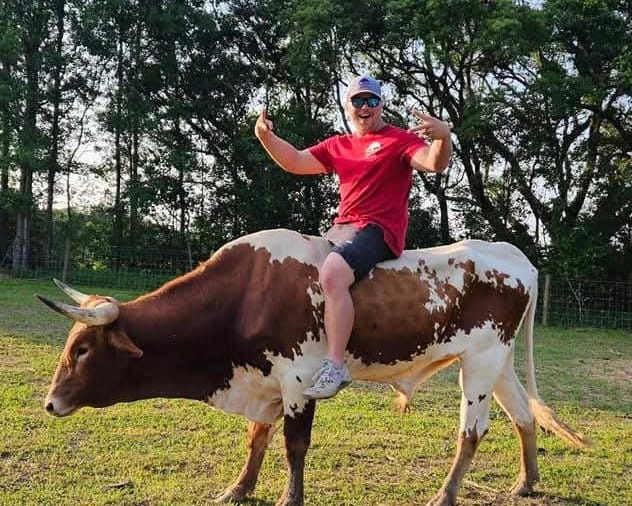
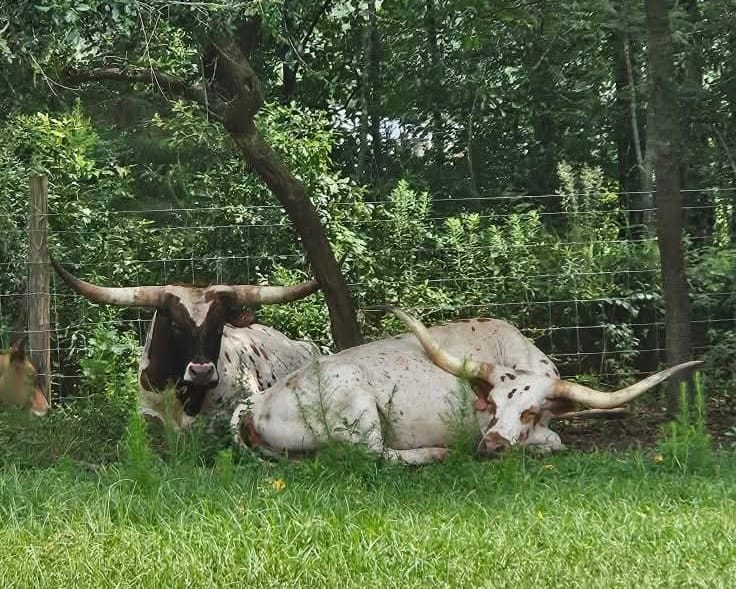
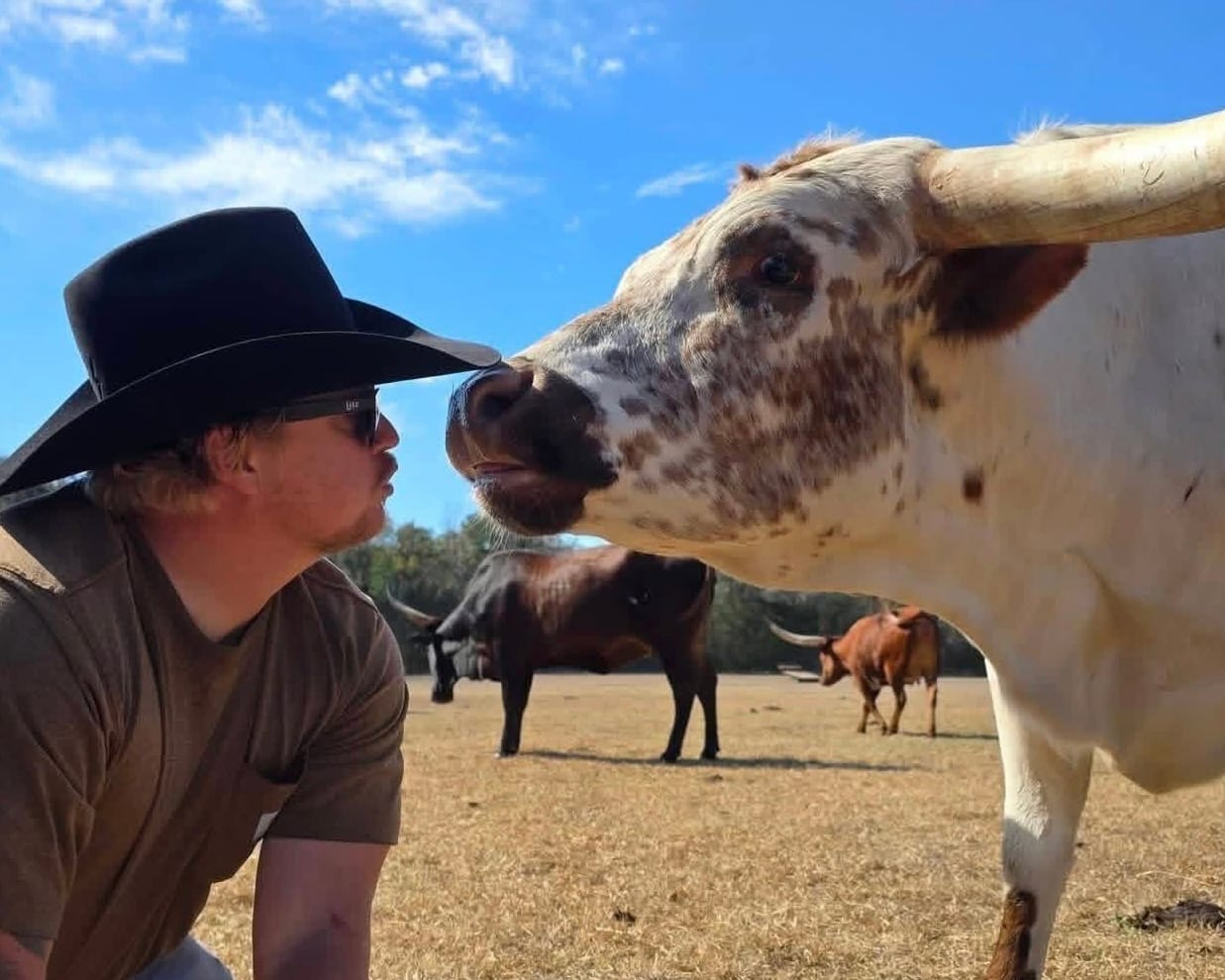
“So, we bring Veterans together, we put them in a field, and we work cattle. A lot of the cowboy values directly relate to service member values, and we've seen great results with equine programs. So, we've incorporated bovine programs. We take a show cow we have called S'mores, and we put a halter on her, and we bring her to the American Legion, to the VFW, to Vets Recover, all these other Veteran programs, and we get Veterans talking and having fun, and they're petting and feeding cattle. It's working out wonderfully. We got our own little bovine program going.”
Another aspect of Bets to Cowboys is increasing the number of farmers and ranchers in Alabama. Alpolitics.com asked Clark to briefly expand on this.
Clark pointed out that “the last ag survey shows that Alabama lost 8% of its farms, which is close to 4000 family-owned farms. In the last 12 months, we have helped five or six Veterans create their own farm or ranch, ag-producing business. We've helped them get their farm number, we've helped them get signed up and participate with extension NRCs, all the programs that, you know, Grandpa taught his grandson on how to run the farm. If you're a true new and beginning farmer, you don't know those programs exist, so we teach everything that my wife and I learned the hard way with our program, C-4 Cattle Company. Everything we learned the hard way in the last three years, we've brought that to Veterans. My wife has sat down and created some steps of the program on how to help them get started. Then, we utilize our own facility for hands-on training, along with other farmers that are getting involved to give them the experience they need to run a successful operation.”
Before beginning the formal interview, Clark mentioned that Vets to Cowboys are forming a 501(c)3 tax-exempt organization. We asked him to tell us more about this, and how people could assist the organization.
“Right now, we're a State nonprofit in Alabama,” Clark answered. “We've gotten the board together, we're filing our paperwork to finish our 501(c)3. Once that's complete, then we can deal with donations and those sorts of things. Right now, our biggest thing is raising awareness, getting our information out there, so Veterans that are interested in agriculture and our program can get started.
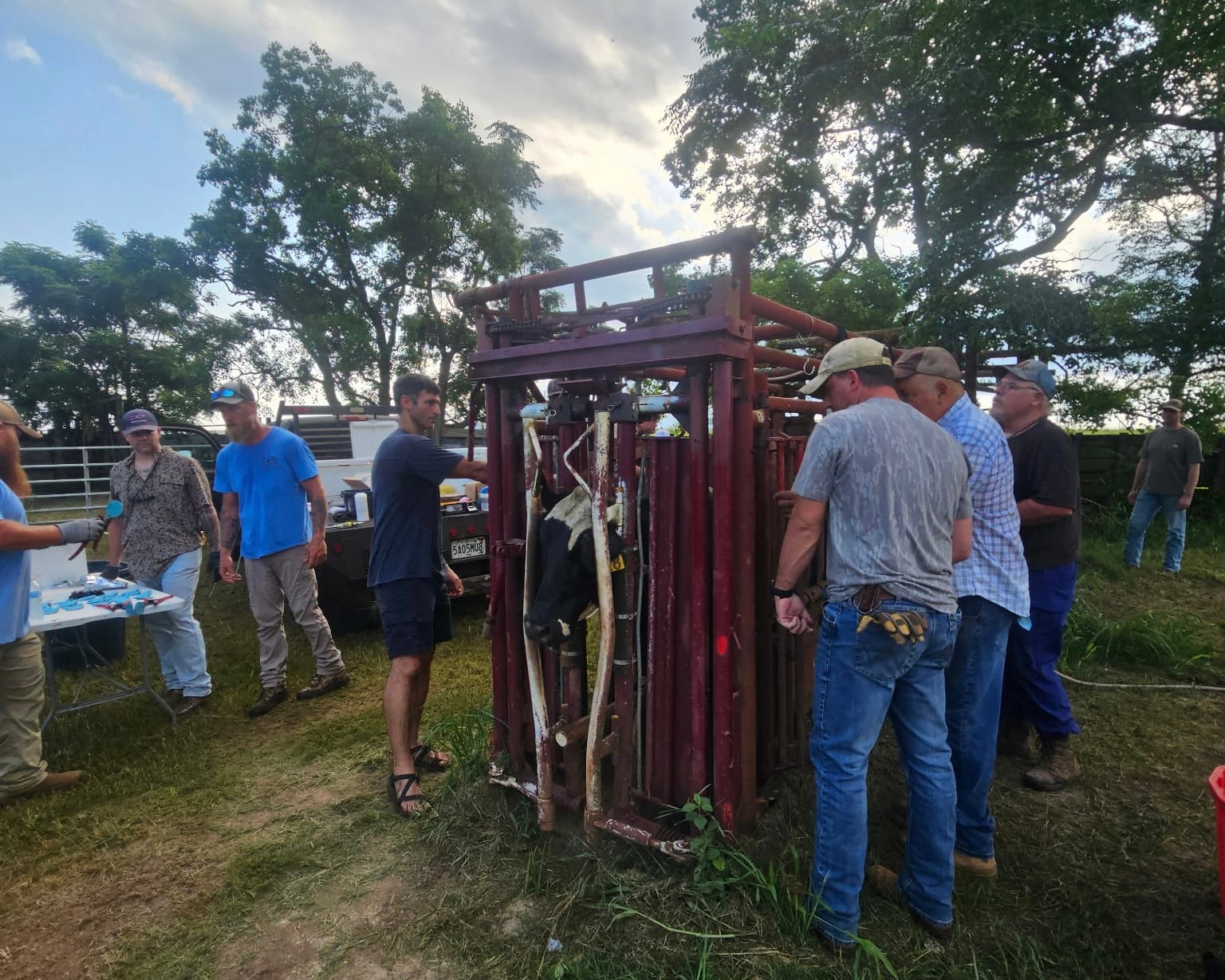
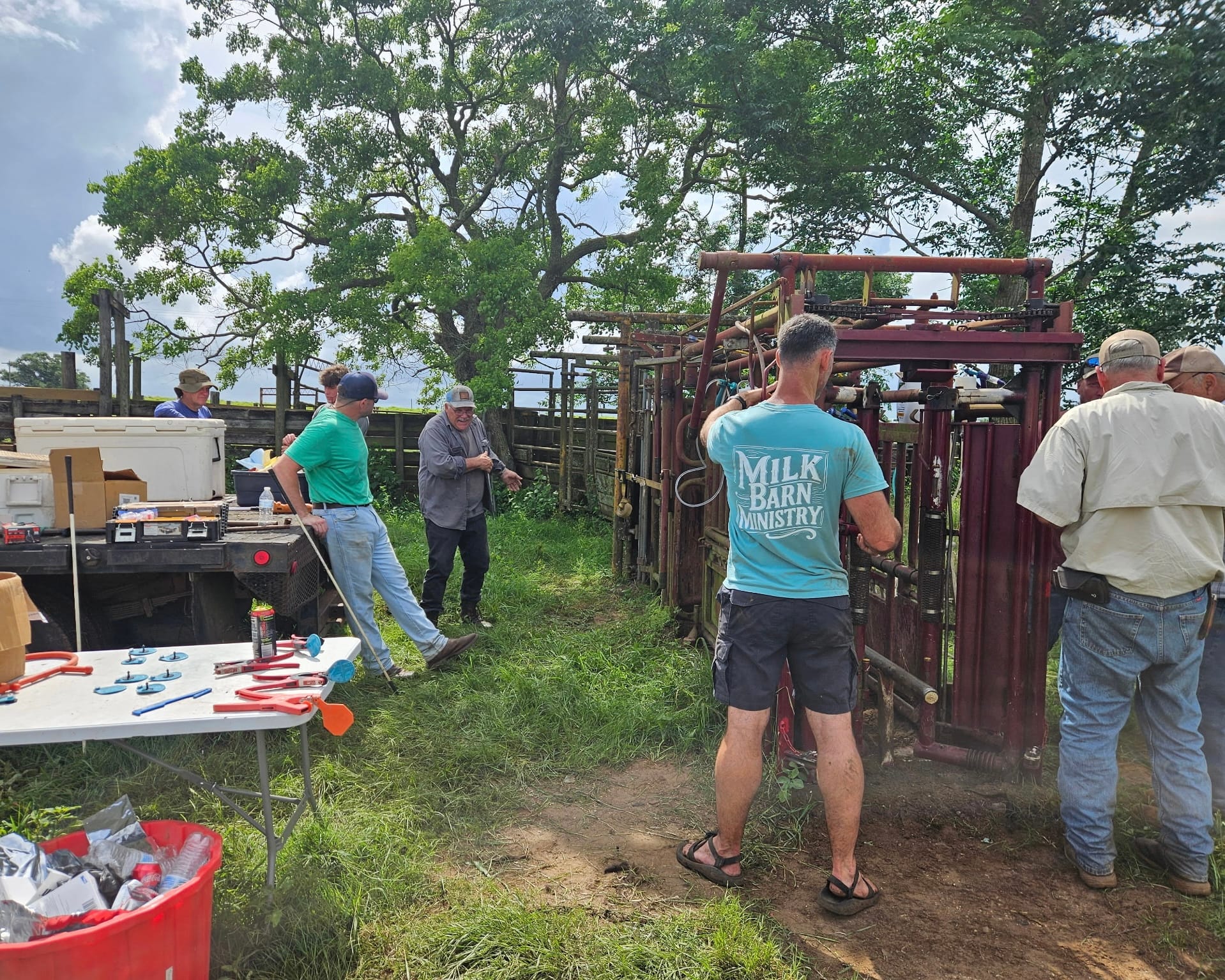
“We need more third, fourth, fifth gen farmers and ranchers willing to open their doors and start teaching the valuable lessons that these Veterans need to know. If you didn't grow up in agriculture and have a dad or grandpa or uncle teaching you how to give shots and castrate a bull and put a tag in, those are the valuable skills that we need to have access to.”
We then asked if he’s had the chance to show any Veterans how to stick a knife in a cow with bloat yet? (Editor’s note: if you know, you know.)
“Not yet. We haven't had to, fortunately,” he said. “So far, all the things we've covered at our facility, and with our volunteer facility, we've covered a lot of the BQA fundamentals. We've gone over working a shoot, loading the trailer, sorting cattle in a pen, giving shots, putting in tags, putting in fly tags, pour-ons, drenches, some castration, and banding. We got to watch a branding last week for a couple of cows. So more and more is being incorporated into what we're able to teach and what our volunteers are teaching.”
We then asked Clark for any final thoughts he might have on the program, and how people could find out more about it.
“The best way to get in contact with us is to go find Vets to Cowboys on Facebook. It's our main source of communication. It has our phone number, email, messengers, all listed. We want people to know that we exist, that we're out there to help. It's benefiting farmers and ranchers that need an extra hand. It's passing on valuable information to the next generation, and we think the way the ag world's swinging, that you're going to see a lot more smaller operations providing for our food chain. I think a lot more of those are going to be Veteran-owned and -operated, because GWOT has been winding down. We've been fighting it for 20-plus years. A lot of those Veterans are getting out of the service, they're looking for their next chapter in life. Lots of them are moving to the county, they're retired, they’ve got benefits, paychecks, they're wanting another way to serve, and I think a lot of them are realizing that they can live the lifestyle they want in the country, but they can also provide a supplemental income and help their community at the same time by being a part of our food chain.”
For more information, visit the Vets to Cowboys Facebook page.

Images provided by Jeremy Clark