We Should Restore SNAP
Guest Opinion by Amanda Pusczek
The Big Beautiful Bill is an albatross around America's collective neck; a nightmarish piece of legislation whose consequences we are only beginning to feel. From education and healthcare to clean energy and public grants, few aspects of American life escaped the bill unscathed.
SNAP was certainly not one of them.
The Supplemental Nutrition Assistance Program (SNAP) exists to help low-income families put food on the table. Beginning in 2027, states will be required to cover 75% of SNAP's administrative costs, up from 50%. In addition, states will be responsible for paying at least 5% of benefit costs based on their payment error rates.
Alabama's payment error rate is 8.3%—better than the national average of 10.4%—but still above the new 6% threshold established by the law. For the first time since SNAP's creation in 1964, the federal government will no longer fully fund the program, choosing only to match 5%.
For Alabama alone, that leaves an estimated $173 million budget gap.
The changes do not end there.
The age range for adults subject to SNAP work requirements has increased from 18–54 to 18–64. Parents caring for disabled children older than 14 are now also subject to those requirements. Exemptions that previously applied to veterans, people experiencing homelessness, and young adults aging out of foster care have been eliminated. Refugees and asylum seekers are no longer eligible for federal SNAP benefits.
The law also eliminates an important administrative simplification. Previously, households participating in the Low Income Home Energy Assistance Program (LIHEAP) automatically qualified for the Standard Utility Allowance, a fixed utility deduction that often increased SNAP benefits. Now, households without an older adult or disabled family member must document high utility costs to receive that allowance, creating another bureaucratic hurdle for families already struggling to get by.
In addition, the legislation eliminates SNAP-Ed, the nation's largest federal nutrition education program, which helped SNAP-eligible households learn how to prepare healthy meals on limited budgets.
What does all of this mean?
It means disruptions far beyond SNAP itself. Many children in SNAP households automatically qualify—or receive streamlined enrollment—for other essential programs, including free school meals, SUN Bucks, WIC, and Head Start. As families lose SNAP eligibility, they may also lose access to these critical supports.
These challenges will likely be compounded by reductions to Medicaid. Because most SNAP recipients are also enrolled in Medicaid, losing health coverage could also jeopardize nutrition assistance for many of the same families, creating a cascading loss of support.
Behind every policy change is a person.
A single mother working part-time so she can care for her 15-year-old child could lose her own SNAP eligibility, reducing her household's monthly food assistance from $546 to $298. A veteran who once qualified automatically may now face additional documentation requirements and not discover the change until benefits lapse. An older adult already struggling through record-breaking heat may lose automatic utility assistance just as energy bills continue to climb.
A young adult recently leaving foster care will enter adulthood with fewer resources, greater food insecurity, and poorer long-term health outcomes.
What does all of this mean?
It means the poorest among us will pay for their government's failures with their health, their futures, and, in some cases, their lives. They will become sicker, poorer, and die younger in the wealthiest nation on Earth.
That is unacceptable.
We should reverse these cuts to SNAP and remove the unnecessary barriers to accessing food assistance. The work requirement age should return to 54. Administrative funding should be restored to its previous cost-sharing arrangement, with the federal government once again covering 50% of administrative expenses. And if states like Alabama continue to tighten SNAP eligibility, then restoring SNAP-Ed is imperative. Eliminating the nation's largest nutrition education program while simultaneously making food assistance harder to access is both shortsighted and counterproductive.
Instead of maintaining a seemingly bottomless reserve for endless wars, we should invest in feeding Americans, protecting our most vulnerable neighbors, and creating genuine pathways to opportunity.
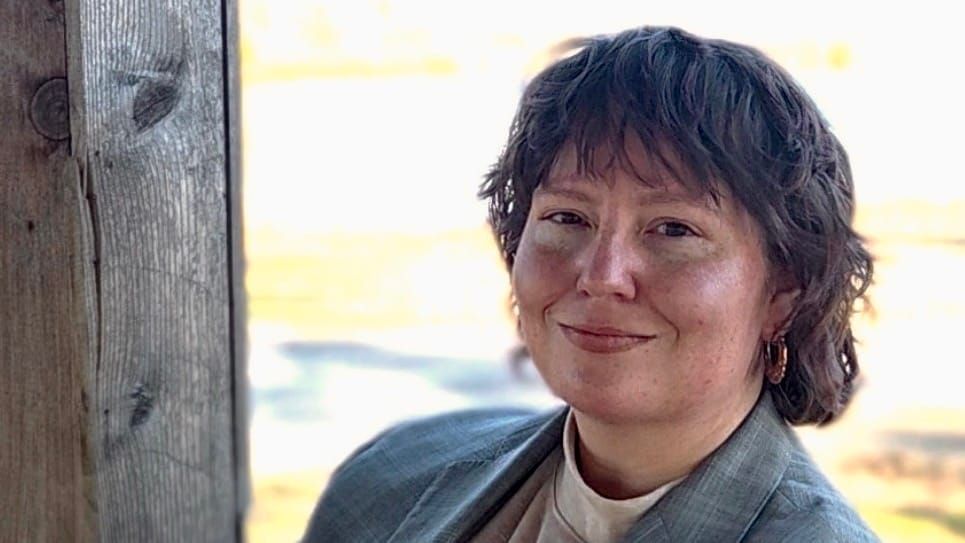
Amanda Pusczek is a seasoned medical professional and lifelong advocate for marginalized and “othered” communities. Her decades of nursing have shown her what policy failures look like in real life — families bankrupted by illness, rural hospitals shuttered, patients turned away. Amanda is running for Congress as a Democrat in Alabama’s 4th District because care should not depend on your ZIP code, income, or job.
For more information, visit https://www.amandaforalabama.com or follow her on social media.
Opinions do not reflect the views and opinions of ALPolitics.com. ALPolitics.com makes no claims nor assumes any responsibility for the information and opinions expressed above.