Airbnb Launches Grants to Grow Farm Tourism
New Farm to Stay grants could give Alabama farmers up to $10,000 to turn working farms into rural tourism destinations
TL;DR: Airbnb and American Farmland Trust are launching a $250,000 grant program to help farmers add or expand farm stays and other agritourism ventures. Grants will range from $5,000 to $10,000. Alabama, with more than 38,000 farms and a growing agritourism trade, could be well positioned to take part.
Farmers have always been good at finding another way to make a dollar from the land.
Now, Airbnb wants to help more of them make money by inviting visitors onto the farm.
The vacation rental company has joined with American Farmland Trust to launch the new Farm to Stay Grant Program, a nationwide effort aimed at helping working farmers and ranchers enter or expand in the growing agritourism market.
The program will offer between 25 and 30 grants ranging from $5,000 to $10,000. A total of $250,000 has been set aside for awards, according to the American Farmland Trust grant page. Applications are expected to open in late November, with about 350 applications accepted.
That could create an opening for Alabama farmers looking for new ways to bring in cash without giving up farming.
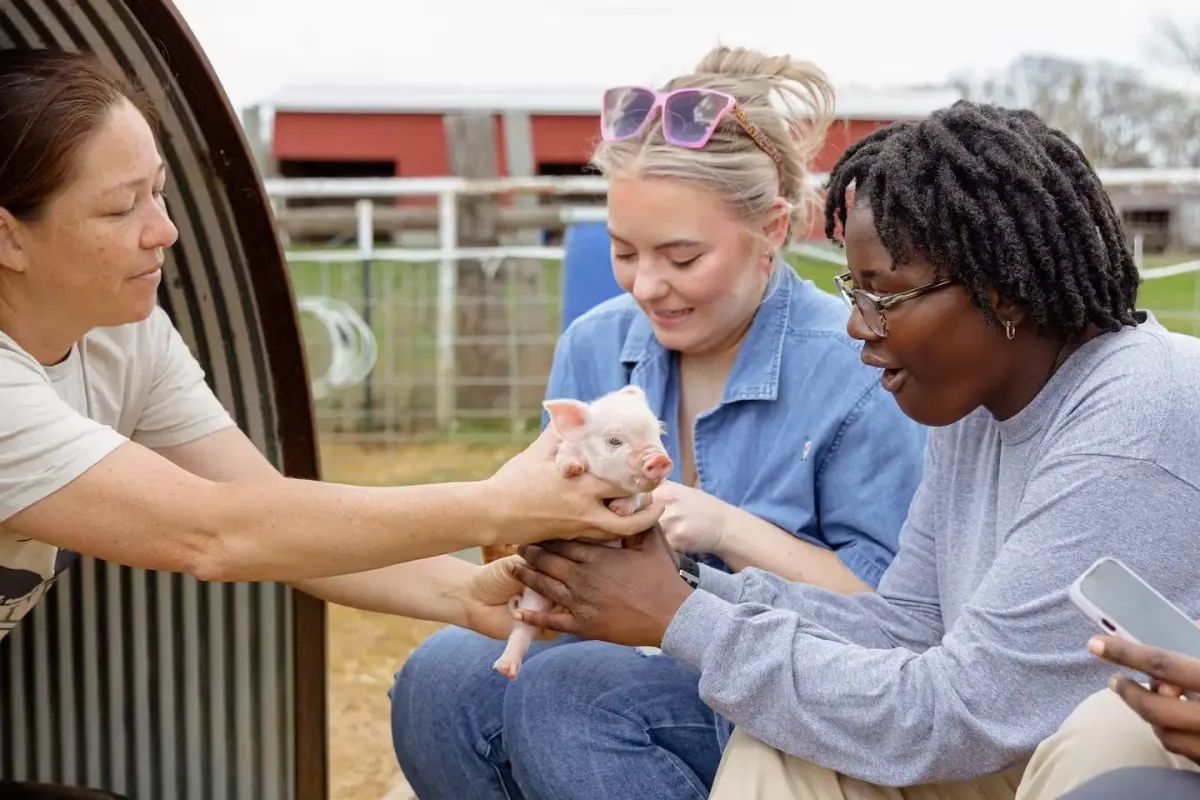
The grants may be used to help farmers prepare or improve property for overnight guests or launch farm-based visitor experiences. Examples offered by the program include U-pick operations, wine tastings, farm-to-table dinners and hands-on farm workshops.
“A ‘Farm to Stay’ Grant can be what helps keep a family on their land through a bad season. Sharing a room in the farmhouse can offset increased costs and bring tourism dollars to communities that visitors have traditionally overlooked,” Jordi Torres Mallol, Airbnb Regional Director for the Americas, said in the company's announcement.
“The demand is only growing, and we’re proud to work with American Farmland Trust and local community partners to help farmers and ranchers meet it.”
Alabama may prove fertile ground for the idea, as Farm Tourism is already a growing industry here.
Agriculture and forestry contribute an estimated $77.3 billion each year to Alabama's economy and support about 273,000 jobs, according to an economic study published by the Alabama Cooperative Extension System. The Alabama Department of Agriculture and Industries says the State has more than 38,000 farms covering roughly 8.6 million acres.
Farm tourism is already part of that economy.
The 2022 Census of Agriculture found Alabama farms earned $9.84 million from agritourism and recreational services, an increase of 45% from the prior census five years earlier, according to the Alabama Farmers Federation.
Those dollars can come from pumpkin patches, U-pick farms, corn mazes, farm weddings, hayrides and other attractions that give farmers another source of income beyond crops and livestock.
Airbnb sees overnight stays as another piece of that market.
The company says the typical U.S. farm-stay host on its platform earned about $8,000 in 2025, while farm-stay hosts nationwide earned nearly $120 million. Airbnb also says Google search interest for “farm stay” has nearly quadrupled over the past decade and host earnings from farm stays have risen nearly 400% since 2018. Those figures come from Airbnb's own analysis and Google Trends data.
That extra income can matter when farm margins are tight. USDA data cited by the program found median farm income for households tied to intermediate and residence farms was negative in 2024.
“Through the ‘Farm to Stay’ Grant, we’ll give agricultural communities a critical foothold in a growing sector that can help bring stability and predictability to an industry facing serious headwinds,” Ashley Brucker, Senior Manager of Grantmaking for American Farmland Trust's Brighter Future Fund, said.
“With interest in farm stays increasing, our partnership with Airbnb could not happen at a better time.”
Alabama also has much of the marketing network needed to tie farm stays to locally grown food and rural travel.
Sweet Grown Alabama, launched in 2019, serves as the State's agricultural branding program. It promotes Alabama farms, farmers markets, restaurants and locally produced goods while giving consumers a searchable way to find them.
Importantly, the program is not limited to food.
Agritourism operations, wildlife operations and farm wedding venues can qualify as associate members if they operate in Alabama and have an agricultural or wildlife connection.
That creates a natural link between Alabama's existing buy-local effort and the type of farm tourism Airbnb is trying to expand.
The State also has a long list of events built around agriculture.
The National Peanut Festival in Dothan is just one such annual agritourism event. Billed as the nation's largest peanut festival, it draws visitors each fall with agricultural displays, livestock, food, concerts, contests and other events celebrating the Wiregrass peanut harvest.
Dothan's agricultural tourism calendar also includes Fall Farm Day at Landmark Park, while Brundidge hosts its annual Peanut Butter Festival. Across the State, other long-running events celebrate commodities ranging from peaches and strawberries to tomatoes, pecans and cattle.
Sweet Grown Alabama has also worked to put farmers face-to-face with consumers. Its events include farm-to-table dinners and pop-up farmers markets. In June, the group joined the Alabama Department of Agriculture and Industries' annual Tomato Sandwich Lunch in Montgomery, where visitors could buy produce, meat, honey, pecans and other Alabama products directly from local producers.
Farm stays could add another layer to that trade.
A family visiting Chilton County for peaches, the Wiregrass for the National Peanut Festival or North Alabama for a U-pick orchard could potentially spend the night on a working farm instead of simply driving home. That lodging money could then stay with the farmer while visitors spend more at nearby restaurants, stores and attractions.
That is the economic model behind the new grant program — turn the farm itself into part of the destination.
There is no guarantee Alabama will receive any of the first grants. Awards have not yet been announced, and detailed eligibility rules are still being finalized.
But the program will be national and open to eligible for-profit production farms and ranches seeking to develop or expand a farm stay or experience tied to a working agricultural operation. Applications are expected to open in late November 2026 and will be reviewed in the order received.
For Alabama farmers already selling peaches, pumpkins, beef, honey or pecans directly to the public, the concept is not much of a leap.
Instead of merely selling people something grown on the farm, the next step may be selling them the chance to stay there.