
ATF Drops NFA Approval Rules for Suppressors, Short Rifles
New guidance ends federal NFA approval and registration enforcement for several firearms, but State laws and other limits remain
TL;DR: ATF will no longer enforce NFA approval and registration rules for suppressors, short-barreled rifles, short-barreled shotguns and certain other weapons. Background checks, State laws and some travel rules still apply.
The Bureau of Alcohol, Tobacco, Firearms and Explosives (ATF) on Friday dropped enforcement of key federal approval and registration rules for suppressors and several other firearms covered by the National Firearms Act.
The change took effect Oct. 9. It covers short-barreled rifles, short-barreled shotguns, suppressors and the legal class known as “any other weapons.” Machine guns and destructive devices remain subject to the full NFA, including the $200 making and transfer tax, according to ATF’s announcement.
The move follows an August ruling in Silencer Shop Foundation v. ATF. Congress had reduced the making and transfer taxes for the covered items to zero through the One Big Beautiful Bill Act. According to ATF’s open letter, the federal court in North Texas held that the challenged NFA rules could no longer rest on Congress’s taxing power. It also rejected the commerce-power defense because Congress had not relied on that power when it enacted the law.
The court’s injunction covered the plaintiffs and certain related parties. The Justice Department chose to extend the enforcement policy nationwide and will not appeal the ruling, ATF said.
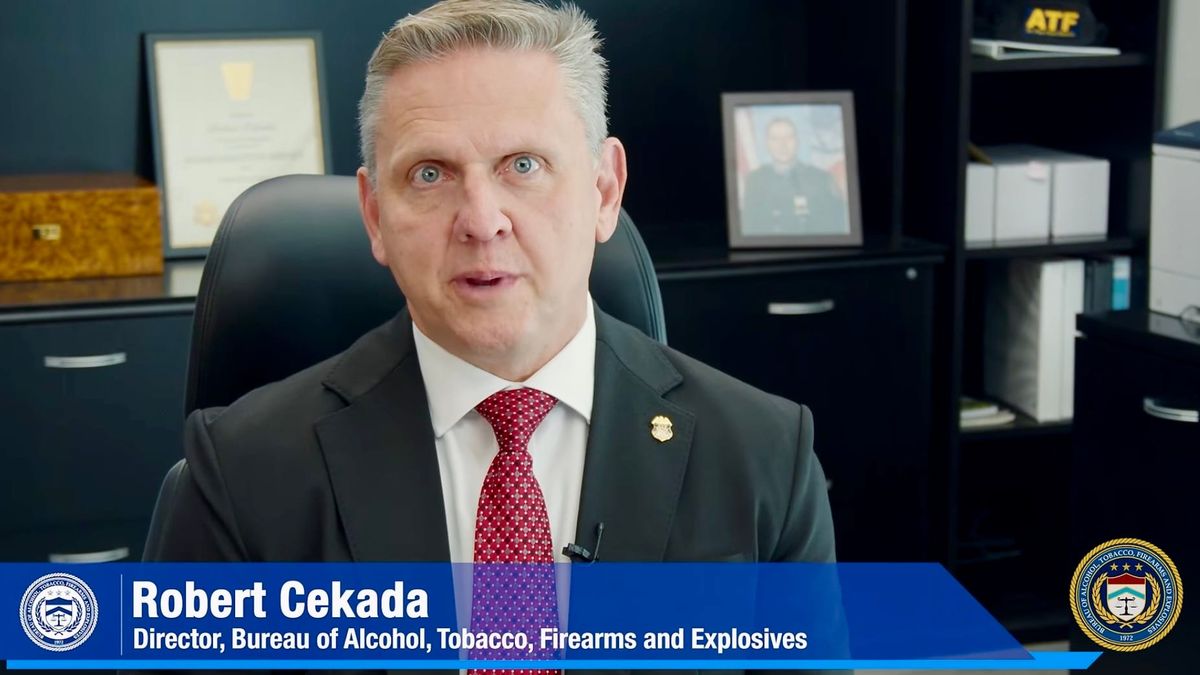
“The direction from the President, Congress, and the courts is clear,” ATF Director Rob Cekada said in the agency’s release.
Under the new policy, owners no longer face enforced NFA requirements to seek prior approval before making or transferring covered items. Federal registration is also voluntary. ATF will still process Form 1, Form 3 and Form 4 applications for those who choose to register or need them to meet State requirements.
Other federal controls remain. Licensed dealers must complete Form 4473, conduct required background checks and keep sales records. People barred from possessing firearms remain barred. Businesses that make, import or deal in NFA items must still pay the special occupational tax.
There is also a separate rule for travel. Individuals must still obtain approval through Form 20 before taking a short-barreled rifle or shotgun across State lines, even if the firearm is unregistered. ATF is temporarily declining to enforce a separate dealer-transfer approval provision while it develops new rules.
For Alabama owners, State law remains a key concern. Section 13A-11-63 makes possession, receipt, sale or use of a short-barreled rifle or shotgun in violation of federal law a Class C felony, as listed in ATF’s Alabama law guide. The new federal enforcement policy does not itself settle how State courts will apply that language. ATF says its guidance does not override State law.
The change also carries a longer-term risk. This is an enforcement policy, and ATF’s updated FAQ says enforcement could resume if legal circumstances change or the department withdraws the guidance. Federal law provides no automatic grandfather protection for unregistered NFA items and generally does not allow owners to register them later.
The agency can still accept voluntary registrations now. That distinction matters for owners weighing less paperwork today against the risk of a future policy reversal.
Director Cekada’s video statement on the new enforcement posture may be seen on YouTube and below: