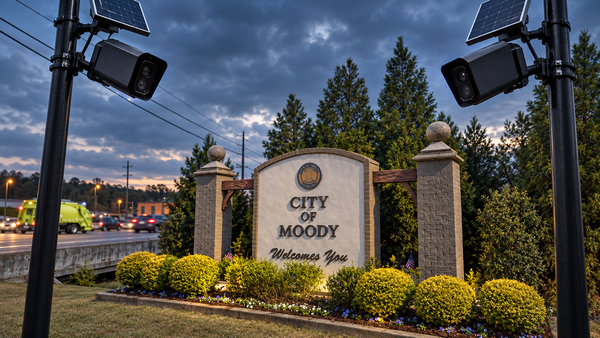
Dixon Pledges New Push Against Flock Cameras
AL-6 candidate says he will revive Massie bill blocking federal funds for jurisdictions using Flock-style license plate readers
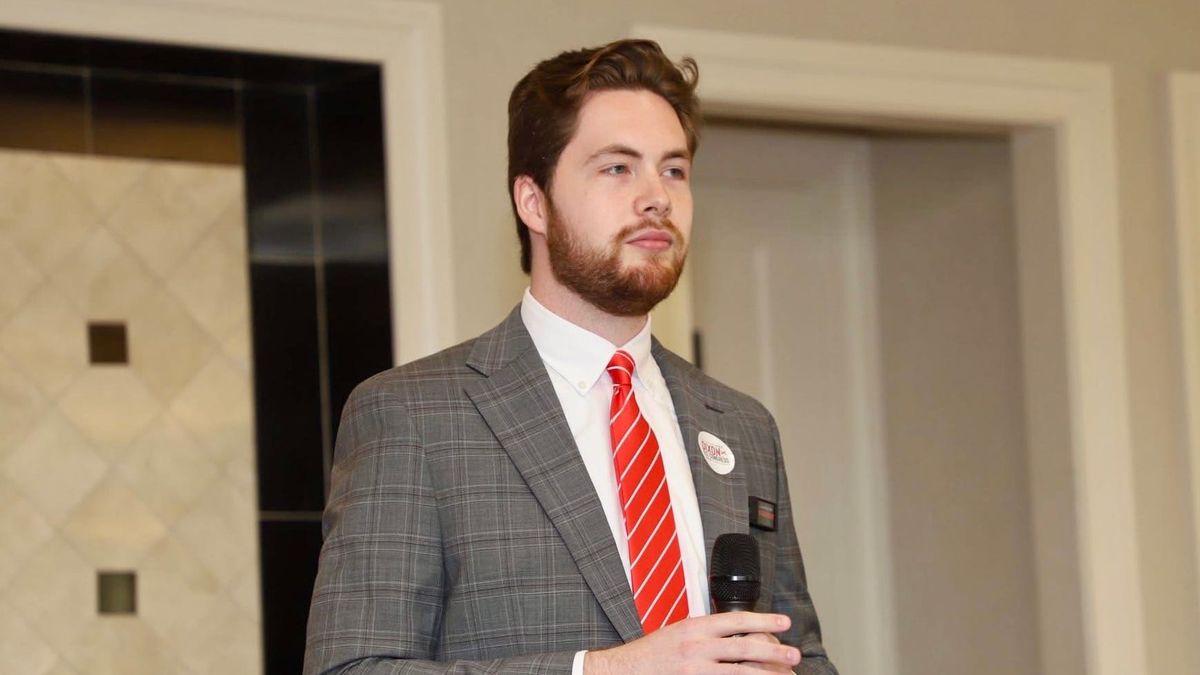
Republican congressional candidate Case Dixon said Tuesday that, if elected to represent Alabama's 6th Congressional District, he will reintroduce federal legislation aimed at cutting off certain federal funding for jurisdictions that deploy Flock Safety cameras and similar automated license plate reader (ALPR) systems.
The proposal mirrors legislation introduced this year by Rep. Thomas Massie (R-KY), who will leave Congress at the end of his current term. Massie's bill would use federal funding restrictions to discourage State and local governments from adopting Flock-style surveillance systems.

Dixon framed the issue as a matter of constitutional rights, arguing that widespread vehicle tracking conflicts with the protections guaranteed by the Fourth Amendment.
"Mass surveillance has no place in a free society," Dixon said. "Americans should not have their movements tracked, recorded, and stored simply because they drove down a public road. The Fourth Amendment exists to protect innocent people from unreasonable government surveillance, and Congress should take that seriously."
Flock Safety cameras and other ALPR systems capture license plate numbers along with the date, time and location of passing vehicles. When connected across multiple jurisdictions, the systems can create extensive travel histories for individual vehicles. Supporters say the technology helps investigators solve crimes and recover stolen vehicles, while critics argue it enables broad government surveillance of law-abiding citizens without individualized suspicion.
Dixon said he would seek to continue Massie's legislative effort if voters send him to Washington.
"If elected, I will reintroduce this legislation in the next Congress," Dixon said. "The federal government should not be subsidizing technologies that enable the routine tracking of innocent Americans without individualized suspicion or a warrant."
The debate over Flock cameras has intensified in recent months as lawmakers, privacy advocates and local officials have questioned how the technology should be regulated. Concerns have centered on the long-term collection of location data, data sharing among agencies and the potential for misuse. At the same time, many law enforcement agencies maintain the systems have become valuable investigative tools.
Dixon said Congress should pursue policies that preserve both public safety and constitutional protections.
"Public safety and constitutional liberty are not mutually exclusive," Dixon said. "We can give law enforcement the tools they need to investigate crime without normalizing mass surveillance of the general public. Congress should be protecting the constitutional rights of the American people, not helping fund their erosion."
For more information on Case Dixon, visit his campaign website, dixonforuscongress.com or follow him on social media.