
Palmer Bill on Improper Payments Clears Committee
Rep. Gary Palmer’s measure targets fraud risks before funds go out, aims to curb trillions in improper federal payments
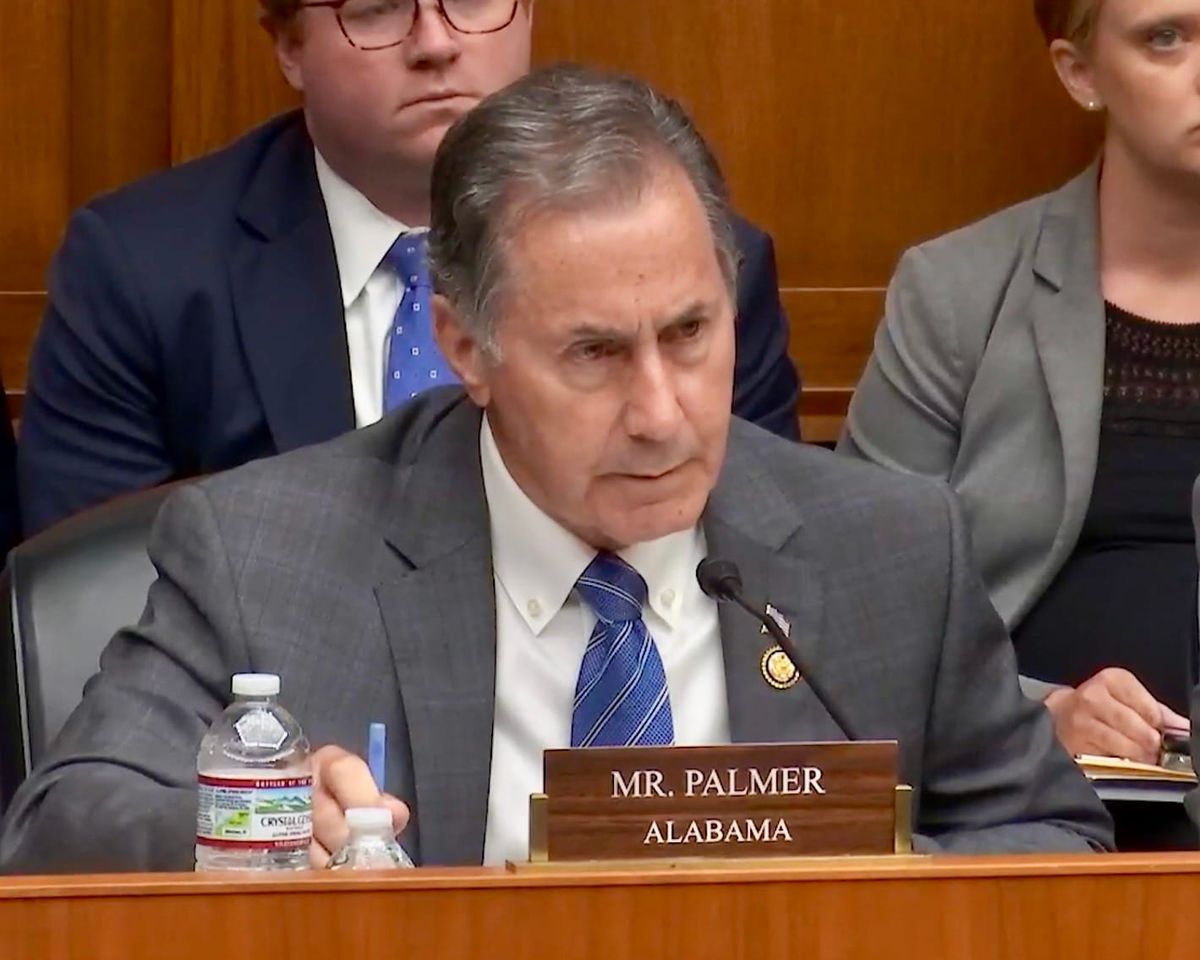
A bill aimed at cutting down on improper federal payments is moving forward in Congress after clearing committee without opposition.
The “Zeroing Out Monetary Benefits Improperly Expended (ZOMBIE) Act,” introduced by U.S. Representative Gary Palmer (R-AL-06), passed unanimously out of the House Committee on Oversight and Government Reform on Wednesday.
In a statement following the vote, Palmer pointed out the scale of the issue and the burden it places on taxpayers.
“The federal government has made an estimated $2.8 trillion in improper payments since 2003. Washington has a serious problem, and taxpayers are the ones footing the bill. The ZOMBIE Act takes a sensible and proactive approach by requiring agencies to identify fraud risks before money goes out the door instead of waiting until after it has already been lost. By strengthening oversight, improving coordination, and holding agencies accountable for real financial losses, this bill helps ensure taxpayer dollars are protected and spent the way Congress intended,” said Palmer.

The legislation shifts how federal agencies track and prevent improper payments. Instead of relying on annual estimates after funds have already been spent, the bill calls for ongoing risk checks, to catch fraud before it occurs.
It also directs agencies to adopt fraud prevention standards laid out by the Government Accountability Office, including its 2015 Fraud Risk Framework. That guidance encourages early detection, tighter controls, and stronger coordination across agencies.
Supporters say the approach could save billions over time by stopping waste before it starts, rather than trying to recover lost funds after the fact.
The bill now heads to the full House for further consideration.
The full text of the ZOMBIE Act may be read HERE.