Small Business Optimism Rises Across Industries
NFIB found stronger confidence in construction and manufacturing, but labor shortages and supply chain issues still weigh on small firms
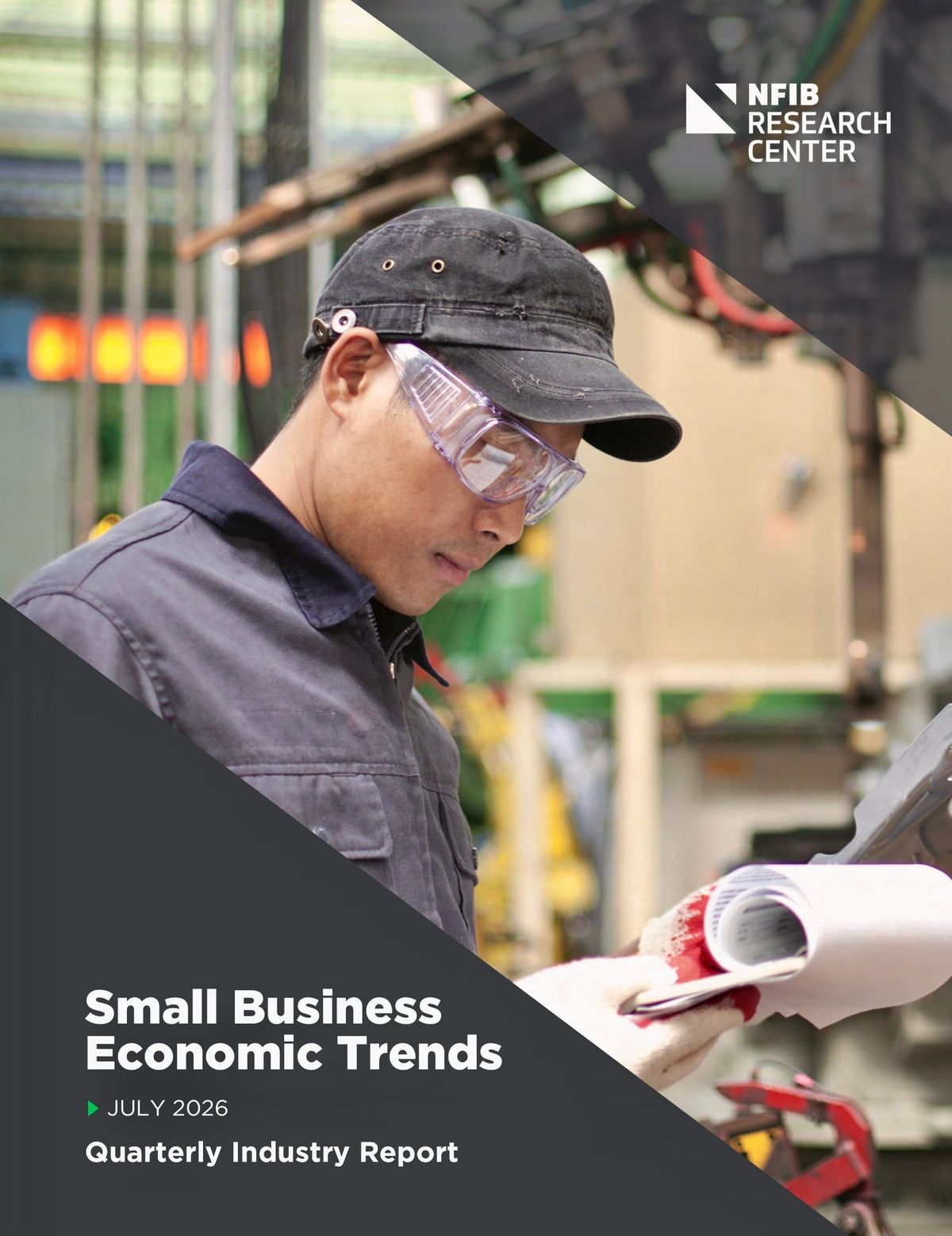
Small business owners grew more confident about the economy this summer, though many still face a tight labor market, weak sales and supply chain snags.
The optimism index rose from April in each of the four industries tracked by the National Federation of Independent Business (NFIB): construction, manufacturing, retail and services.
Construction and manufacturing firms posted the strongest results. Retailers remained the least upbeat group despite a small gain, according to the NFIB Research Center’s July industry report.
Plans for capital spending improved across all four industries. More owners also said they expect better business conditions and believe now is a good time to expand.
“Small business optimism improved in all industries after April’s slump,” said Holly Wade, Executive Director of NFIB’s Research Center. “While most metrics improved, many owners are reporting supply chain disruptions and difficulty finding qualified employees. Despite some challenges, Main Street is feeling more confident about economic conditions and the health of their business.”
The industry survey was conducted in July. NFIB’s broader Small Business Optimism Index stood at 99.8 that month.
Manufacturers led the four main industries, with their index climbing 6.3 points from April to 104.3. They also reported stronger earnings, sales forecasts and hiring plans than small firms as a whole.
Construction firms were eager to hire, but many could not find workers. Fifty-three percent reported jobs they could not fill. That was up seven points from April and 17 points above the rate for all firms.
A net 28 percent of construction owners planned to add workers, up nine points from April. Yet earnings weakened. The net share reporting better earnings fell eight points to negative 19 percent.
Retailers remained under the most strain. Their optimism index edged up 0.7 points to 94.8, still below the industry’s long-term average of 96.1. Retail sales forecasts fell 16 points to a net negative 7 percent. At the same time, the share reporting open jobs rose 11 points to 37 percent.
Service firms recorded the largest improvement in their outlook for general business conditions. That measure rose 13 points to a net 15 percent. Their own sales and hiring plans, however, moved in the other direction. Sales expectations fell eight points to a net 4 percent, while hiring plans dropped eight points to a net 10 percent.
NFIB Alabama State Director Rosemary Elebash said the shortage of qualified workers is a grave concern for employers across the state.
“The Alabama Department of Labor just reported that the workforce participation rate in Alabama was 56.9% in July. That was well below the national average of 61.4%. This labor shortage makes it harder for small businesses in every sector to compete, serve their customers and support their communities.”
The state figure is confirmed by the Alabama Department of Labor’s July report. The national labor force participation rate was 61.4 percent, according to the U.S. Bureau of Labor Statistics.
The NFIB survey also found:
- Sixty-three percent of small business owners said supply chain disruptions affected their firms to some degree, down one point from April.
- Supply problems were most common among wholesalers, at 84 percent. They were least common in professional services, at 32 percent, and finance, at 25 percent.
- Sixty-nine percent of owners rated the health of their business as good or excellent, up two points from April.
- Professional service firms gave the best ratings, with 80 percent reporting good or excellent health.
- Manufacturing and transportation firms reported the weakest results, at 60 percent and 59 percent, respectively.
The figures suggest that Main Street entered the second half of the year with more faith in the economy. Still, the recovery was far from even. Manufacturers gained ground while retailers wrestled with weak sales, and construction firms struggled to find enough workers to meet demand.
The full report is available HERE.
For over 80 years, NFIB has been advocating on behalf of America’s small and independent business owners, both in Washington, D.C., and in all 50 state capitals. NFIB is nonprofit, nonpartisan, and member-driven. Since our founding in 1943, NFIB has been exclusively dedicated to small and independent businesses, and remains so today. For more information, please visit nfib.com.