The Math Doesn't Work: What It Really Costs to Live in House District 4
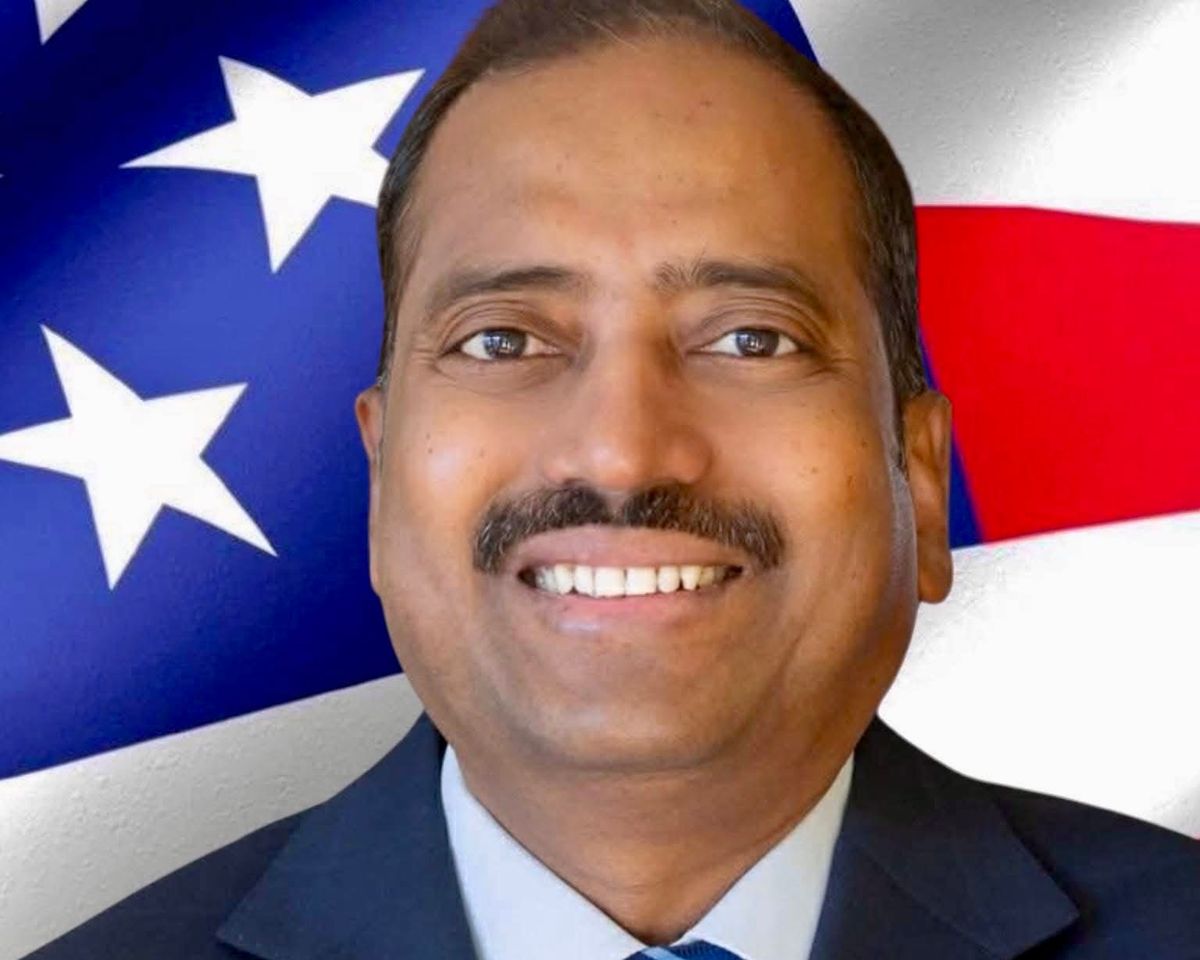
Guest Opinion by Hanu Karlapalem, Democratic Nominee, Alabama State House District 4
Guest Opinion by Hanu Karlapalem
Do the math with me for a second. I was awarded a gold medal in math in high school. My father was a math teacher, a high school principal, a farmer, and a small business investor. Numbers don't lie, even when politicians do.
According to the Massachusetts Institute of Technology's (MIT) Living Wage Calculator, a single adult with no children needs to earn between $20.60 and $22.81 an hour just to cover basic costs in Morgan, Limestone, or Madison County. A single parent raising two children needs between $42.58 and $45.69 an hour — $88,567 to $95,037 a year before taxes — just to keep the lights on and food on the table.
Alabama's minimum wage is $7.25 an hour and hasn't moved in over fifteen years. Retirees are bracing for cuts too — a Committee for a Responsible Federal Budget analysis found Alabama seniors could see Social Security checks drop by $486 a month by 2032 if Congress doesn't act. The math doesn't work from either direction.
That gap isn't an abstraction. As I wrote on August 13 in “One in Three: The Affordability Crisis the Republican Supermajority Is Ignoring in State House District 4,” it's the reason one in three households in House District 4 — 6,719 families out of 19,978 — can't afford the basic cost of living here, according to United For ALICE's July 2026 data. It's teachers, home health aides, retail workers, and firefighters working full time and still falling short.
An AL.com report published this week found nearly half of Alabamians have cut back on groceries this year, and one in five have delayed medical or dental care to make ends meet. It's because the math doesn't work.
Picture a home health aide in Decatur, driving between three or four homes a day, lifting patients, managing medications, keeping people out of nursing homes and out of the hospital. In Alabama, that work often pays close to minimum wage. They are doing everything right. The math still doesn't work.
I've been asking where the money should come from to fix this. The answers are there, if Montgomery is willing to look.
Start with what we're already giving away. Alabama's Jobs Act incentive program hands corporations tax credits climbing to $475 million by 2027. It hasn't moved the needle: Alabama's labor force participation rate is tied for 47th in the nation. Alabama has it backwards.
Then look at Medicaid. Alabama remains one of ten states that has refused to expand it. Alabama Arise's Cover Alabama campaign found roughly 154,000 Alabamians could still gain coverage, and we already walked away from a $619 million federal incentive tied to it — money that's simply gone. And the coverage families do have is now eroding too: Alabama's ACA marketplace enrollment has dropped by roughly 95,000 people this year as federal tax credits expired, in a state with no expansion to catch anyone who falls.
Then look at public education. The CHOOSE Act grew 38 percent this year, from $180 million to $250 million, handing out public school dollars to private school vouchers with no accountability. In 2027, the income cap disappears completely, and families making millions become eligible for the same money that's supposed to pay your child's teacher. The CHOOSE Act is a scam, and it needs to be repealed.
Now compare that to what Alabama funds without a second thought. The Department of Corrections will receive $868 million this year alone, part of roughly $5 billion over five years, including $1.3 billion for the Governor's new megaprison in Elmore County.
Alabama can find $868 million a year for a broken and corrupt prison system found to be unconstitutional, but has refused to expand Medicaid, leaving billions in federal dollars on the table. That is not a budget. That is a set of priorities, and voters deserve to know whose priorities they are.
This fight isn't new. Sen. Robert Stewart and Senate Democrats filed SB171 this year, which would set Alabama's minimum wage at $10 an hour — the first statewide minimum wage law in Alabama's history. It's not a living wage, but it's a real step, and deserves a vote.
None of this requires new taxes. It requires re-examining money Alabama already spends. Right now, too much of it isn't going where it should.
House District 4 families aren't asking for handouts. They're asking Montgomery to do basic math — the same math they have to do every single month.
Hanu Karlapalem is a Madison, Alabama resident of 26 years, small technology business owner, UAH M.S. graduate, and Life Member and former Second Vice President of the Limestone County NAACP. He has been married for 31 years and has deep roots in the North Alabama community through civic, professional, and community service. He is the Democratic nominee for Alabama State House District 4 in the November 3, 2026, general election.
For more information: https://www.hanu4alabama.com
Opinions do not reflect the views and opinions of ALPolitics.com. ALPolitics.com makes no claims nor assumes any responsibility for the information and opinions expressed above.
Sources
MIT Living Wage Calculator, Massachusetts Institute of Technology — livingwage.mit.edu
“One in Three: The Affordability Crisis the Republican Supermajority Is Ignoring in State House District 4,” Hanu Karlapalem, published August 13, 2026
United For ALICE, July 2026 threshold data — unitedforalice.org
“No State Spared: Mapping the Impact of Social Security's Insolvency,” Committee for a Responsible Federal Budget, June 3, 2026 — crfb.org/nostatespared
Alabama Legislature / Alabama Department of Commerce, Alabama Jobs Act incentive cap increase to $475 million by 2027 (HB 241) — legislature.state.al.us
Alabama Arise, Cover Alabama campaign — alarise.org
“Alabama Obamacare enrollment drops 23% after tax credits expire,” Alabama Reflector, August 19, 2026 — alabamareflector.com
“Alabama House committee OKs 2027 education budget with pay raises, some level funding,” Alabama Reflector, March 12, 2026 (CHOOSE Act funding increase) — alabamareflector.com
“Alabama Department of Corrections: $5 billion in spending in five years,” Alabama Appleseed, September 2025 — alabamaappleseed.org
U.S. Department of Justice, Civil Rights Division, findings that conditions in Alabama's men's prisons violate the Eighth Amendment, 2019–2020 investigation reports — justice.gov/crt
“Alabamians are making brutal financial sacrifices to get by, from canceling Netflix to delaying medical care,” AL.com, August 19, 2026 — al.com/news/2026/08/alabamians-are-making-brutal-financial-sacrifices-to-get-by-from-canceling-netflix-to-delaying-medical-care.html
SB171, Sen. Robert Stewart, Alabama Legislature, 2026 Regular Session — alison.legislature.state.al.us