Trump signs Moore’s Stop Secret Spending Act
Rep. Barry Moore’s new law closes a federal spending loophole and requires agencies to disclose billions in previously hidden agreements
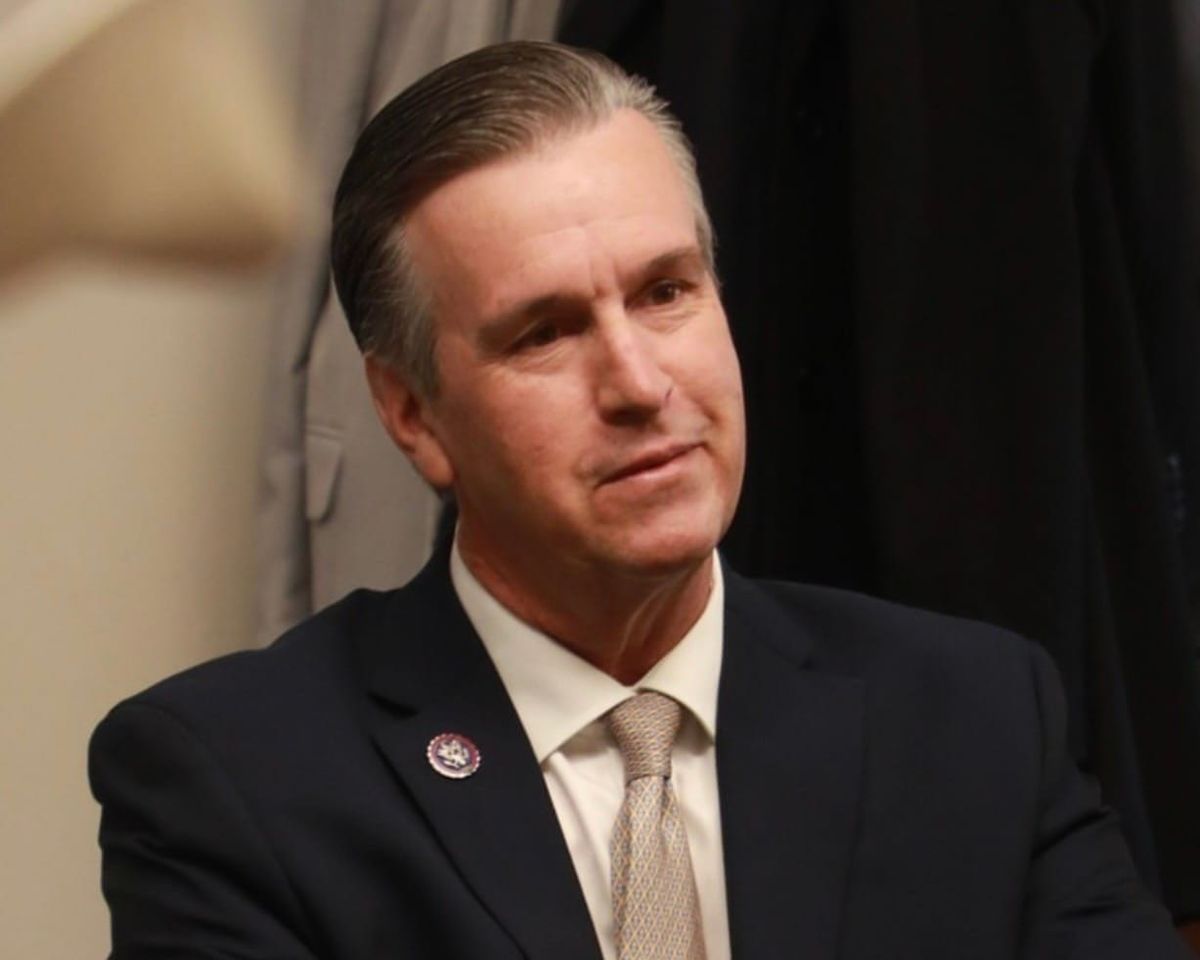
President Donald Trump has signed Alabama Representative Barry Moore’s (R-AL-01) Stop Secret Spending Act into law, closing a loophole that allowed billions of dollars in federal agreements to remain outside the government’s main public spending database.
Trump signed H.R. 2069, the Stop Secret Spending Act of 2025, on Sept. 11.
The bipartisan bill was introduced in the House by Moore, R-Enterprise, with Rep. Jimmy Panetta, D-CA., as an original co-sponsor. Senators Joni Ernst, R-IA, and Gary Peters, D-MI, led the Senate effort. The measure passed the House by voice vote in July and cleared the Senate by unanimous consent in August.
At issue are federal deals known as Other Transaction Agreements (OTAs).
OTAs give federal agencies more flexibility than standard government contracts and are often used for research, prototypes and other projects. But they have also fallen outside some of the disclosure rules that apply to traditional contracts.
The new law changes that.
It amends the Federal Funding Accountability and Transparency Act to bring OTAs within federal spending disclosure rules. The agreements will be reported through USAspending.gov, the federal government's public database for tracking taxpayer dollars.
“Washington has spent far too long operating behind closed doors, and the American people deserve better. That is why I introduced the Stop Secret Spending Act, and I am proud to see President Trump sign it into law,” Moore said in a statement.
“I am grateful to Senator Joni Ernst and Congressman Jimmy Panetta for standing with me in this fight to bring greater transparency and accountability to federal spending. This law closes a loophole that allowed billions of taxpayer dollars to escape public scrutiny and makes clear that American taxpayers have a right to know how their money is being spent. This is an important step toward changing the way Washington does business and putting taxpayers first.”
The law goes beyond simply adding OTAs to the federal spending database.
Federal inspectors general will conduct recurring reviews over the next decade to determine whether agencies are providing spending data that is timely, complete and accurate. The Government Accountability Office must also review the system and recommend improvements.
The Treasury Department, meanwhile, will have to issue an annual report detailing the amount spent on grants, contracts and other awards that still do not appear on USAspending.gov, along with an explanation of why those records were withheld.
That could bring a substantial amount of federal spending into clearer public view.
Federal agencies have used thousands of OTAs in recent years. Ernst’s office reported that the Defense Department obligated about $85 billion through more than 30,000 OTAs during the five fiscal years ending in September 2026. The Department of Homeland Security obligated $52.2 million through more than 700 OTAs, while the Interior Department obligated $858.8 million through more than 220.
Panetta called the new disclosure rules a matter of basic fiscal oversight.
“For too long, billions of dollars in federal spending have gone unreported due to a loophole in the disclosure of other transaction agreements,” Panetta said. “I’m proud that our bipartisan, bicameral Stop Secret Spending Act has been signed into law, closing that gap by ensuring these expenditures are accounted for on USAspending.gov. This is a commonsense step toward strengthening public trust, improving fiscal accountability, and ensuring responsible stewardship of taxpayer dollars.”
The legislation builds on an earlier version considered during the previous Congress. A 2024 Senate committee report said OTAs had become an increasingly important part of federal spending but were not required to be reported on USAspending.gov under the same rules governing other federal awards.
Ernst summed up the purpose of the new law more simply.
“Taxpayers deserve the receipts. For years, I’ve fought to drag Washington’s secret spending into the sunlight, and I’m grateful President Trump signed my bill into law,” Ernst said. “Now, bureaucrats won’t be able to spend Americans’ hard-earned money in the dark.”
The White House described the new law as expanding federal spending transparency requirements to include OTAs while also changing related reporting, oversight and data standards.
For Moore, the signing turns a bipartisan transparency proposal first introduced in the previous Congress into federal law — and puts billions of dollars in government agreements on track for greater public disclosure.