Alabama Secures $12.2M Roblox Child Safety Deal
Settlement funds school officers, adds age checks and tighter parental controls to protect children on Roblox, but privacy, security concerns persist
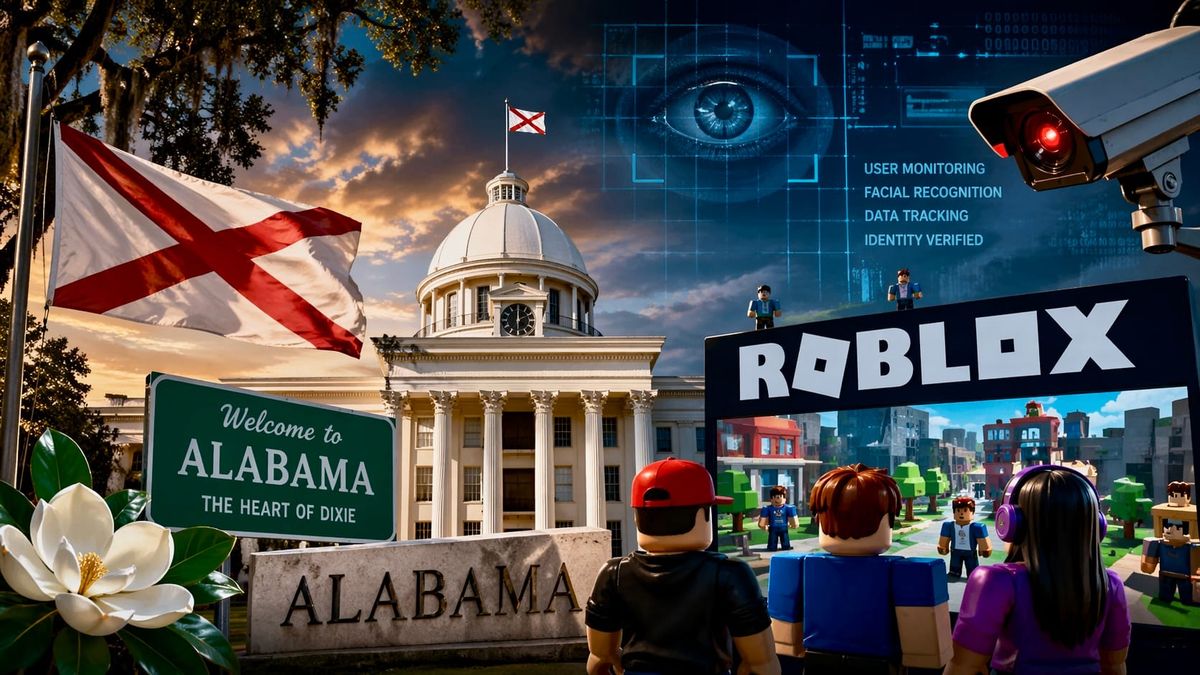
Alabama has reached a $12.2 million settlement with Roblox Corporation, marking one of the first agreements of its kind in the nation and setting new expectations for child safety in online gaming.
Attorney General Steve Marshall announced the deal Tuesday, saying the funds will support school resource officers Statewide through the Attorney General’s Safe School Initiative.
“Alabama stepped in where others failed to act. This settlement sends a clear message to every platform operating in this space — you cannot turn a blind eye to the exploitation of children and expect to avoid consequences,” Marshall said. “We have now established a framework that other States can and should use. Platforms that host child consumers must do their part to give parents a fighting chance to shield their children from harm. While parents will always play the primary role in protecting their children online, we are raising the bar on what we expect from gaming platforms — parents need a partner, not a black box. This is the beginning of a new standard, and Alabama will aggressively enforce it.”
Under the agreement, Roblox must implement stricter age verification measures for all users. According to the settlement term sheet, the platform will use facial age estimation technology and government-issued identification to confirm ages, along with behavioral monitoring to flag accounts that may be misclassified.
The deal also expands parental controls, giving parents greater authority over who their children can communicate with and what games they can access. It includes new limits on transferring in-game currency, known as Robux, particularly from adults who are not designated as trusted connections.
Communication safeguards are another central piece of the agreement. Users under 16 will be restricted from chatting with adults unless designated as “trusted friends,” and those under 13 will require parental consent for such connections. The platform will also prohibit encrypted messaging involving minors, allowing law enforcement to better monitor and investigate potential exploitation.
Roblox has further agreed to provide training and outreach in Alabama, including workshops for schools and law enforcement agencies. The company will also establish a liaison to work directly with State officials on safety concerns and investigations tied to online activity.

Privacy advocates, however, have raised concerns about reliance on government-issued identification and facial age estimation tools, such as the agreement describes. They warn that such measures could expose sensitive personal data to new risks. Analysts note that age verification systems often require “sensitive identifiers like government-issued IDs or biometric scans,” which can become “high-value target[s] for hackers,” increasing the risk of identity theft if breached, according to the Carnegie Mellon Policy and Law Review. Similar warnings from the Electronic Frontier Foundation and The Verge highlight that storing identity documents and biometric data introduces security vulnerabilities, particularly when companies must retain that information to meet compliance standards. Cybersecurity experts with ISACA further caution that facial data is uniquely sensitive because it cannot be changed if stolen, making any breach potentially long-lasting in its impact.
Many privacy experts also view the growing use of facial recognition and behavioral monitoring as part of a broader shift toward more expansive digital tracking. Research and policy analysis point to rising concerns about the normalization of surveillance and the erosion of anonymity online, with organizations like the Organisation for Economic Co-operation and Development and ISACA warning that these tools could contribute to wider monitoring practices over time. TechRepublic notes that facial recognition systems can enable tracking across platforms and environments, raising ongoing questions about data access and long-term use. Critics often describe this trend as a “slippery slope,” arguing that without clear limits and oversight, systems designed to protect children today could lay the groundwork for more comprehensive surveillance in the future.
Despite these significant concerns that strictures such as described in the agreement might actually make children — indeed, everyone — LESS safe, State officials insisted that the agreement addresses both digital and on-the-ground safety. Funds from the settlement will go entirely to Alabama, as the case was handled internally without outside legal firms. The agreement also includes a “most favored nation” clause, ensuring Alabama benefits from any stronger terms Roblox may agree to with other States in the future.
Marshall was joined at the announcement by Chief Counsel Katherine Robertson and a broad group of educators, law enforcement leaders, and school resource officers from across the State, reflecting what officials described as a coordinated effort to protect children both online and in the classroom.
The settlement follows months of negotiations and positions Alabama among the first States to secure formal safety commitments from Roblox, a platform used by millions of young players nationwide.
Residents who continue to experience issues with the platform are encouraged to contact the Attorney General’s Office at Roblox@AlabamaAG.gov.
The full settlement agreement may be read HERE.