Trump Waives Russia Sanctions as Diesel Crunch Bites
Friday’s Executive Order follows his Russian diesel deal and red-diesel relief as the White House seeks lower fuel costs before the midterms
TL;DR: Trump waived key new Russian sanctions two days before they were due to take effect. The move avoids fresh barriers to energy trade as he seeks to ease diesel prices, although the size and speed of any savings remain uncertain.
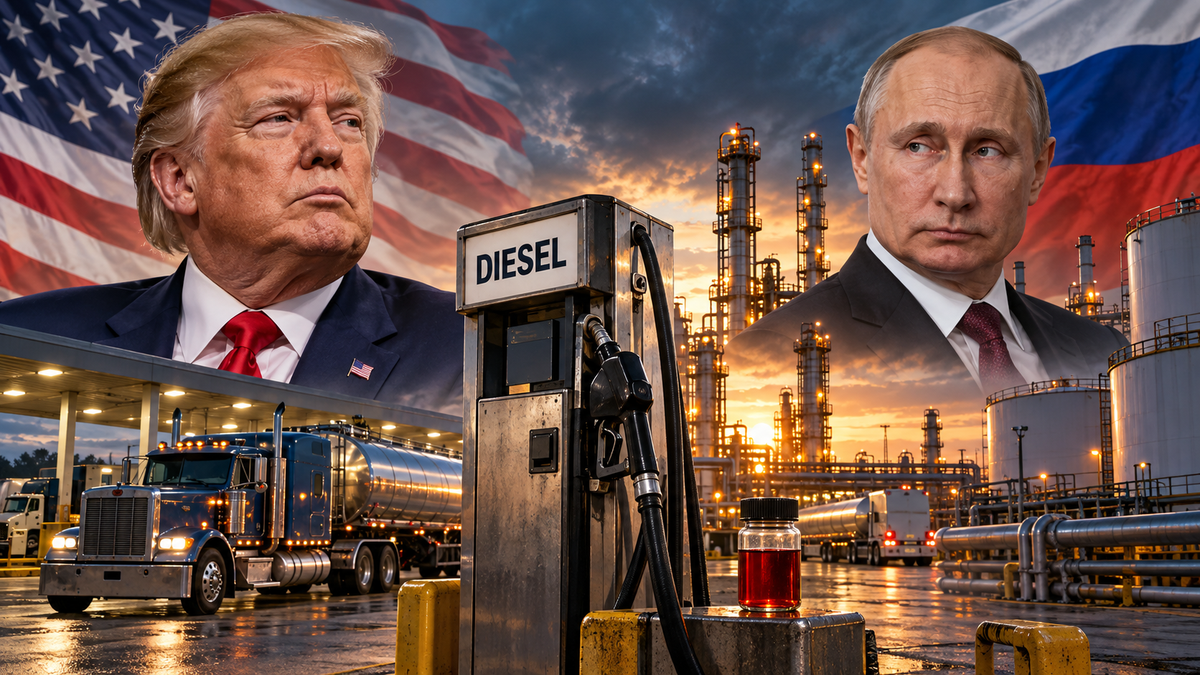
President Donald Trump waived key new sanctions and tariffs tied to Russia Friday, taking another step to ease pressure on fuel markets as high diesel prices shadow Republicans heading into the Nov. 3 midterms.
The action came two days before the measures were due to take effect. It follows Trump’s deal to bring Russian diesel back to market and his earlier move to follow Alabama’s lead in easing restrictions on red diesel.
Trump signed the Lindsey O. Graham Sanctioning Russia and Iran Act on Sept. 18. His new Executive Order, released by the White House, uses a waiver Congress included in that law to halt key penalties before they bite.
Among the duties waived were a 500% tariff increase on Russian goods and 100% increases on goods from certain major buyers of Russian oil and gas and countries helping Moscow evade oil sanctions.
“I have submitted to the Congress a certification that the issuance of such a waiver at this time is in the national interests of the United States,” Trump wrote.
The waivers have no fixed end date. The order leaves earlier sanctions under existing Executive Orders in place; it does not erase every U.S. penalty against Russia.
The fuel-price stakes are clear. Reuters reported that analysts warned the new measures — now waived — could push oil prices higher as Americans already face steep energy costs tied largely to the U.S.-Israeli war with Iran.
That risk cuts against Trump’s latest diesel push.
On Oct. 9, Trump announced an agreement with Russian President Vladimir Putin to supply diesel to U.S. and global markets. According to the Council on Foreign Relations, the promised supply starts with more than 300,000 tons, followed by 500,000 tons in November and another million tons afterward. Further supplies depend on Russia’s refineries. Treasury issued a temporary license suspending sanctions on Russian diesel deliveries through April 2027.
Imposing fresh penalties on Russian energy trade while seeking more Russian fuel would pull policy in opposite directions. The waiver avoids that added pressure. Whether it produces a large drop at American pumps is another question.
CFR’s analysis cautions that the promised volumes may do little to close the global diesel shortfall before Election Day. Critics also warn that the deal gives Moscow revenue while Russia continues its war against Ukraine.
President Putin's investment envoy, Kirill Dmitriev posted on X that the legislation could have effectively brought all economic cooperation between Russia and the US to a halt.
“The suspension of some of the provisions of the Graham Act marks an important and truly historic moment,” Dmitriev said. “Economic cooperation between Russia and the United States serves the interests of both nations, contributes to global economic stability, and lays the foundation for building trust and achieving lasting peace.”
For Alabamians, the latest order extends a familiar effort to stave off the “Dieselpocalypse.”
As ALPolitics.com reported, Governor Kay Ivey acted first, directing State Troopers on Sept. 24 to shift commercial vehicle checks away from dyed-diesel enforcement for 120 days.
Trump later eased federal restrictions through year’s end, directing the IRS to waive normal highway-use penalties and Treasury to pursue a deferral of the 24.4-cent federal diesel tax. A tax deferral, however, is not the same as permanent repeal.
Red diesel is fuel marked for normally tax-exempt, off-road use. Opening that supply to highway users gives truckers and other drivers access to an existing pool of finished fuel. Ivey’s action addressed State enforcement; Trump’s addressed the federal barrier.
Friday’s waiver adds another piece to that effort: avoiding new trade penalties that could worsen the fuel squeeze. With the midterms approaching, Trump is betting that easing access to diesel will help bring down costs. The ultimate test will be what farmers, truckers and consumers actually save.