Trump backs Flock cameras as privacy backlash grows
Trump says he likes Flock cameras as cities pull the plug and privacy concerns grow over license-plate surveillance
TL;DR: President Donald Trump says he likes Flock license-plate cameras because they help police. His endorsement comes as cities cancel contracts, States impose limits and critics raise Fourth Amendment concerns. Trump also owns stock in Axon, a Flock rival moving into the same surveillance market.
President Donald Trump has planted himself on one side of the growing fight over automated police surveillance.
He likes the cameras.
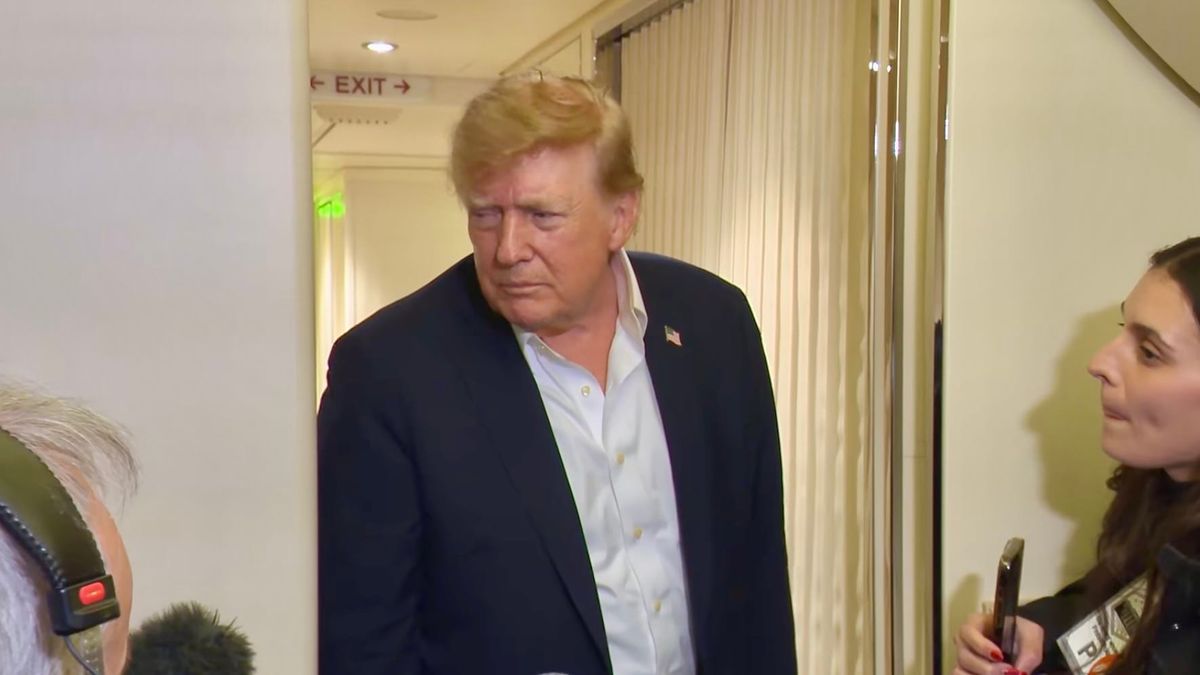
Trump was asked Sunday aboard Air Force One about Flock Safety's automated license-plate readers, which photograph passing vehicles and allow police to search captured data.
“I sort of like ’em because of that, because of law enforcement,” Trump said, according to Mediaite. “But some people don’t. They think it’s an infringement.”
After a reporter noted that the cameras help catch criminals, Trump added: “But I like them.”
His endorsement comes at an awkward time for Flock.
Cities across the country have canceled contracts, rejected new systems or begun reconsidering their use. An independent tracker reported communities in 23 States had rejected, canceled or deactivated Flock readers during 2026. Florida has also restricted license-plate readers on State highways, while Texas Gov. Greg Abbott suspended State funding for Flock cameras.
Public opinion is souring as well. A recent Reuters/Ipsos poll found 47 percent of Americans opposed their communities using Flock-style cameras, while 38 percent supported them.
The central issue is privacy.
Flock cameras automatically photograph vehicles, read license plates and create records that police can search. Supporters say the cameras help locate stolen cars, missing people and criminal suspects.
Critics argue the same network can create a searchable history of where ordinary Americans travel — even when they are suspected of no crime.
That has prompted Fourth Amendment challenges over whether mass collection of location data amounts to warrantless surveillance. Courts have not broadly declared license-plate readers unconstitutional, and Flock has successfully defended some deployments. But privacy advocates argue the scale and searchable nature of modern networks make them fundamentally different from an officer simply observing a license plate on a public street.
Concerns have grown as investigators uncovered how widely Flock data can be shared. WIRED reported that Flock data collected in Alpharetta, Georgia, was accessible to more than 2,000 organizations.
There have also been numerous cases of alleged personal misuse, with more than 200 cases reported in one database.
Unfortunately, getting rid of Flock does not always mean getting rid of the surveillance.
Axon Enterprise, best known for Tasers and police body cameras, is moving into the same automated license-plate-reader market. Gadget Review reported that some cities dropping Flock are replacing it with Axon's system.
That creates another wrinkle for Trump: federal financial disclosures show he owns Axon stock. One disclosed purchase was valued between $1 million and $5 million. The White House has said Trump's investments are managed by independent third parties. There is no evidence that Trump directed the Axon trades because of government policy.
Questions also remain about how much mass surveillance improves police performance.
An Atlanta Community Press Collective analysis of FBI data found Atlanta's major expansion of surveillance cameras did not produce a meaningful overall increase in crime-clearance rates. Motor-vehicle-theft clearance was 9.9 percent in 2021, dropped to 3.9 percent in 2024 and reached 10.2 percent in 2025.
Houston has also deployed large numbers of license-plate readers while struggling with property-crime clearance. Houston police reported clearing roughly 5.7 percent of property crimes in 2023 and about 5.3 percent during the reported portion of 2024.
Those figures do not prove the cameras are ineffective. However, they raise questions about claims that widespread surveillance will, by itself, produce large gains in solved crimes.
Trump's endorsement also comes while his own standing with voters is weak.
A Sept. 10 Quinnipiac University national poll found only 33 percent of voters approved of Trump's overall job performance, while 59 percent disapproved. His ratings were also underwater on immigration, the economy, foreign policy and his role as Commander in Chief. On the economy, 32 percent approved and 65 percent disapproved.
That makes the President’s embrace of Flock a curious political choice.
At a time when cities are pulling cameras down, States are imposing restrictions, privacy concerns are mounting and more Americans oppose the technology than support it — by 47% to 38% — the White House now owns another contentious issue.
Why would Trump spend political capital embracing an increasingly unpopular surveillance system while already facing weak approval numbers? With his party already in trouble going into the midterms, this would seem to be a curious stance to take.
However, for now, the President's position is considerably simpler:
“But I like them.”
The President’s comments may be seen on YouTube and below: